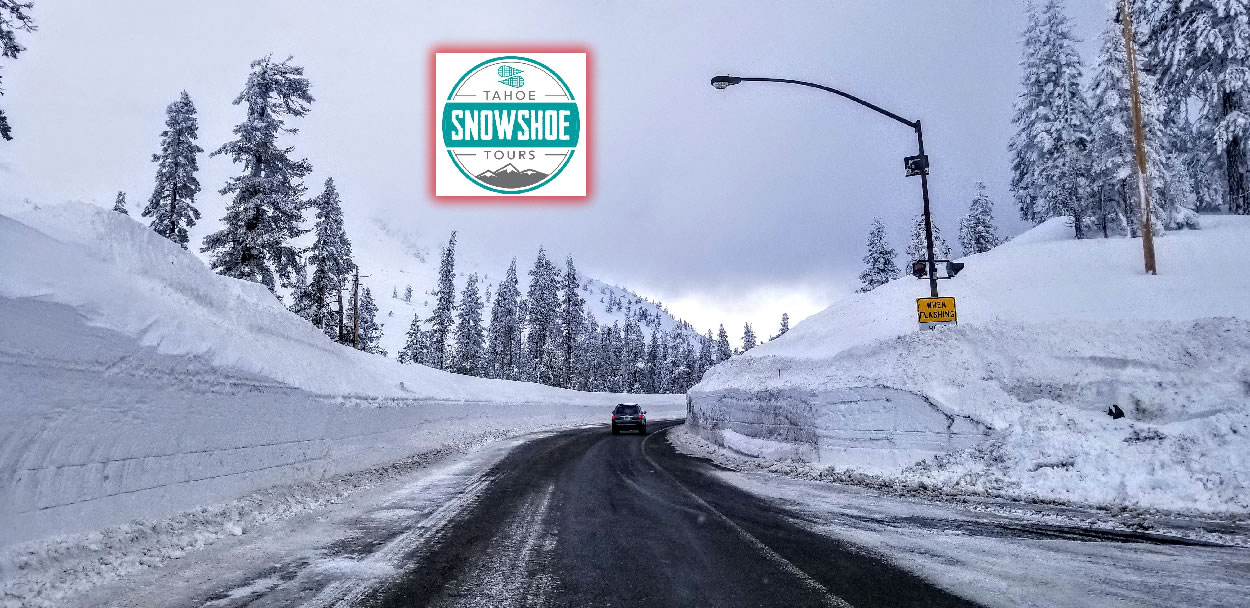
Tahoe Snowshoe Tours Tahoe Driving Conditions
❄️ WINTER DRIVING IN LAKE TAHOE: THE COMPLETE 2025 HIGH-SIERRA SAFETY GUIDE
Winter in Lake Tahoe is magical — deep powder, shimmering forests, bright alpine sunlight, and some of the most dramatic mountain views in the United States. But to enjoy it safely, you must be ready for winter driving in a region famous for powerful storms, icy forest corridors, and rapidly changing conditions.
This guide gives you everything you need for safe High Sierra winter travel, plus how to prepare for driving to high-elevation snowshoe tour trailheads.
🚙 Why Winter Driving in Tahoe Is Different
Lake Tahoe sits between 6,000–7,300 feet, surrounded by passes exceeding 8,000 feet. This creates extreme winter conditions:
-
Fast-shifting weather
-
Heavy, wet Sierra snow
-
Black ice in shaded corridors
-
High winds and drifting snow
-
Frequent chain controls
-
Icy residential & forest roads leading to trailheads
Driving here requires preparation even for experienced winter drivers.
🛞 1. Vehicle Preparation for Tahoe Winter Roads
Essential Winter Equipment
-
Dedicated snow tires (NOT all-season)
-
Chains or cables (if compatible)
-
Full-size spare
-
Ice scraper & snow brush
-
Sub-zero windshield fluid
-
Jumper cables or jump pack
-
Gloves, blankets, water, snacks
-
Small shovel
Check Your Battery
Cold dramatically weakens batteries. Test yours if older than three years.
🛑 2. Understanding Chain Controls
R1 — Snow tires OR chains
2WD with all-season tires must chain up.
R2 — Most common in Tahoe
4WD/AWD + snow tires = OK
All others must chain up.
R3 — Rare
Chains required on all vehicles.
🧊 3. Driving Techniques for Snow & Ice
Avoid These Mistakes:
-
Sudden braking
-
Sharp steering
-
Using cruise control
-
Following too closely
Braking
ABS: Firm, steady pressure
Non-ABS: Gentle pumping
Preventing Spin-Outs
-
Slow before turning
-
Steer smoothly
-
Ease off accelerator if sliding
-
Steer in the direction you want to go
🌨️ 4. Driving in Sierra Storms
Storms can deliver multiple inches per hour.
-
Use low-beams
-
Follow plow tracks
-
Increase following distance
-
Expect delays
-
Prepare for possible closures
Major passes like Donner, Echo, and Mt. Rose can close without warning.
🌡️ 5. Tahoe’s Unique Weather Patterns
-
Rapid freeze–thaw cycles
-
Persistent black ice under deep shade
-
High winds creating drifts
-
Sudden lake-effect squalls
🧭 6. Essential Pre-Drive Checklist
-
Clear all windows & roof snow
-
Check tire pressure
-
Keep fuel above half tank
-
Set navigation before leaving
-
Have warm clothing accessible
-
Bring emergency essentials
🏔️ 7. Tahoe Local Tips
-
Keep snacks and water in the car
-
Never rely solely on GPS
-
Download offline maps
-
Expect sudden full stops
-
Bring gloves for chain installation
📡 8. Where to Check Road Conditions
-
California: Caltrans QuickMap
-
Nevada: NVroads.com
-
Weather: Windy App
❌ 9. Common Winter Driving Myths
Myth: AWD means you don’t need chains
Truth: You may still need chains under R2/R3.
Myth: All-season tires are fine
Truth: They lose traction in Tahoe temperatures.
Myth: Storms are the only danger
Truth: Clear, sunny days often produce the worst black ice.
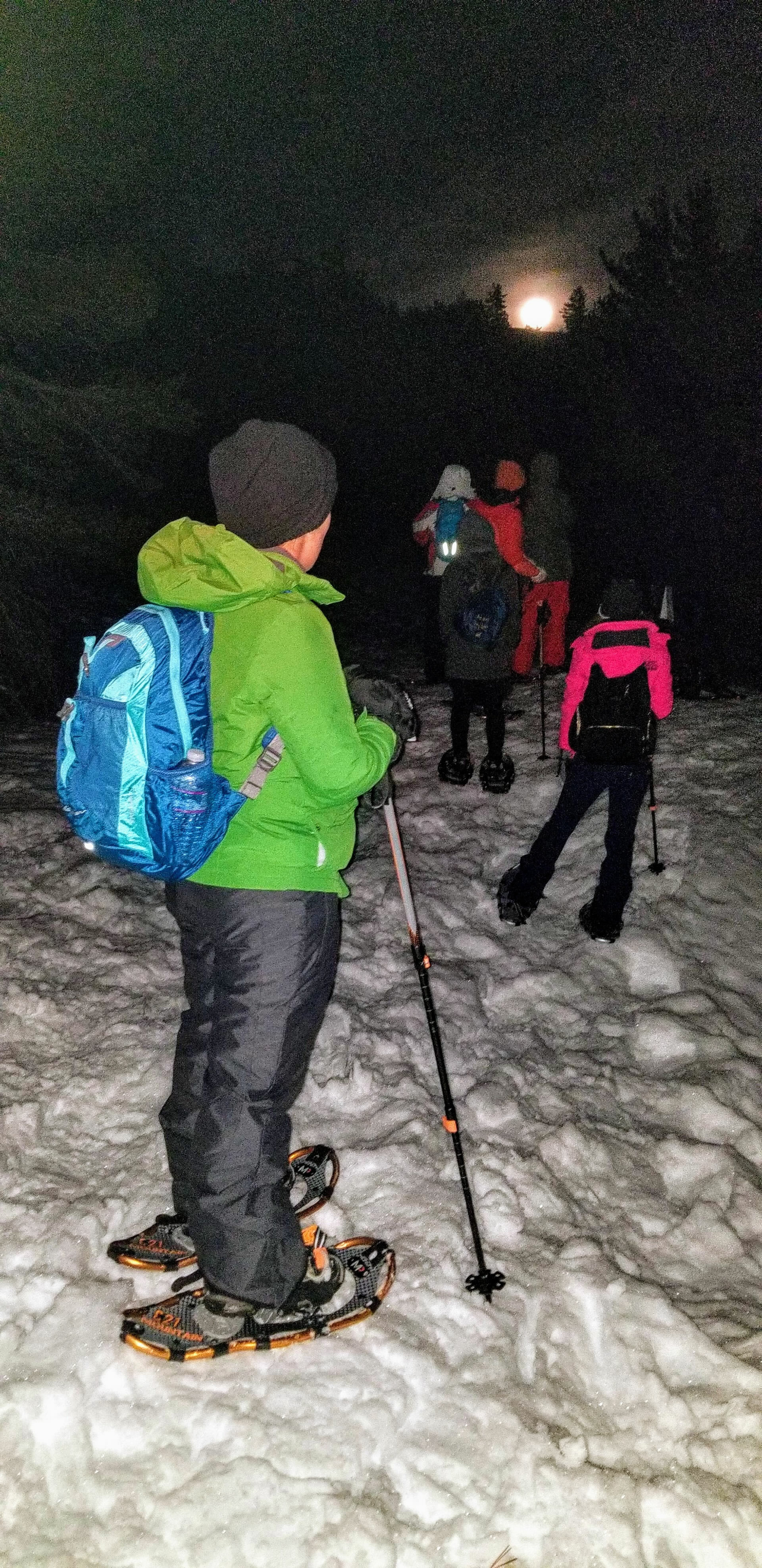
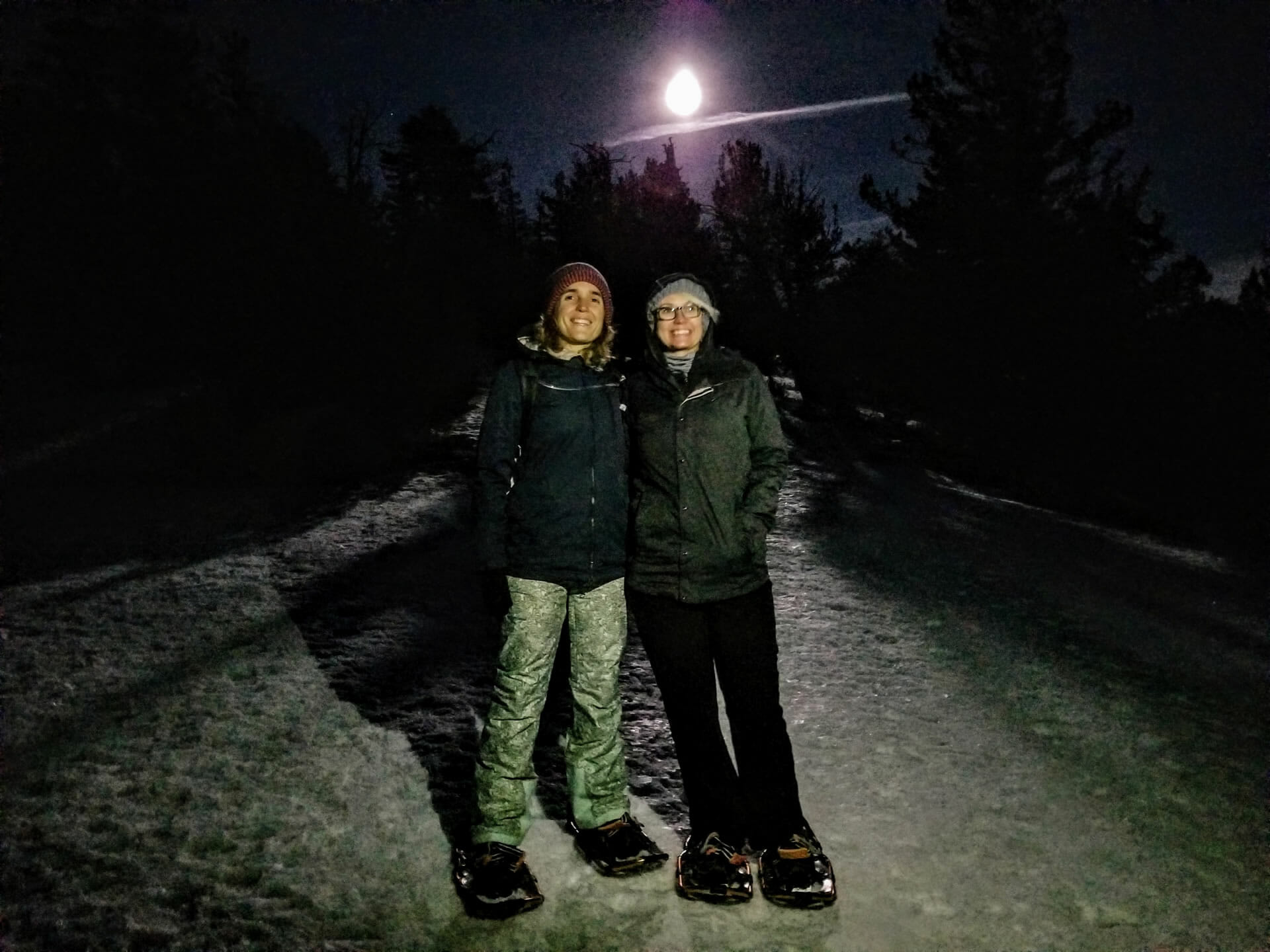
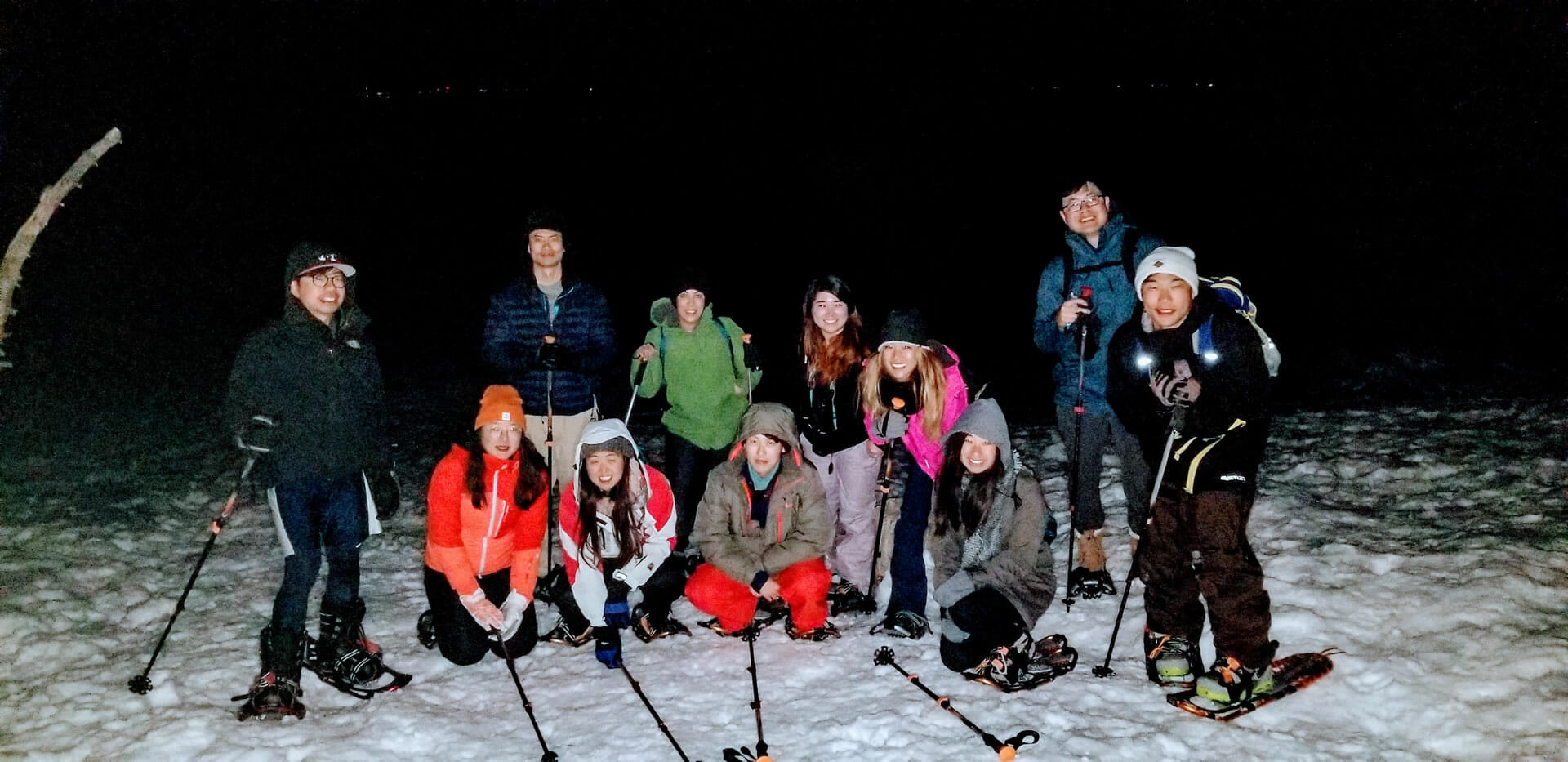
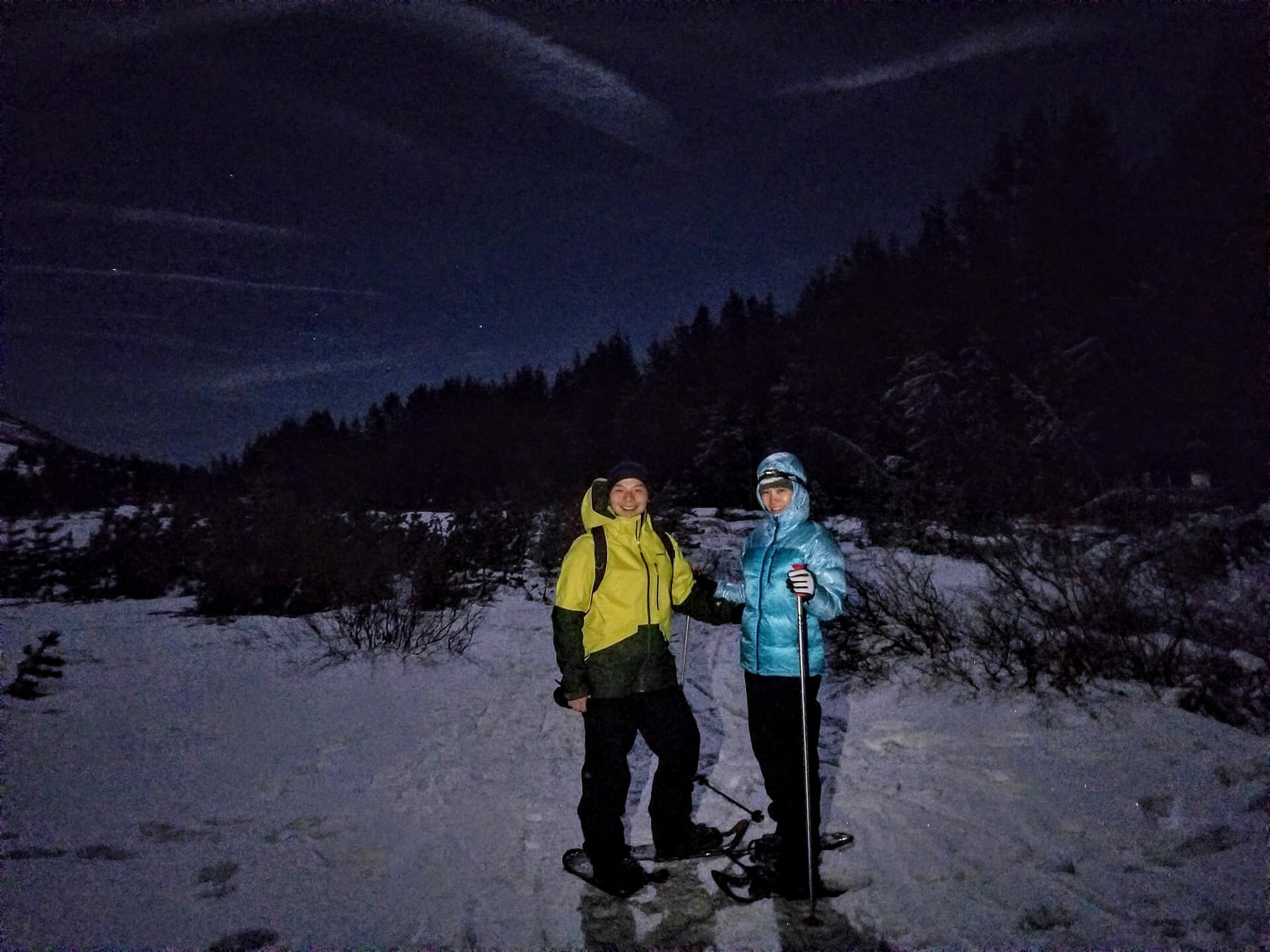
🥾 10. How to Safely Drive to Your Tahoe Snowshoe Tour
High-elevation Tahoe Snowshoe Tours take place well above lake level, where conditions are harsher.
Expect More Extreme Conditions
-
More snow
-
More ice
-
Higher winds
-
Earlier chain controls
-
Lower temperatures
Add Extra Time
-
+30 minutes clear days
-
+45–60 minutes snowy days
-
+2 hours during storms/holidays
Trailhead Locations Are Private
Most operators do not publicly list their trailheads to protect wilderness areas. You receive:
-
A private GPS pin
-
Parking instructions
-
Real-time weather updates
-
Arrival timing guidance
Winter Tires Strongly Recommended
Forest access roads are steep, narrow, shaded, and often icy.
Navigation Tips
-
Download maps before departing
-
Expect narrow plowed corridors
-
Park ONLY where instructed
-
Keep guide’s number handy
After the Tour
Roads may refreeze quickly as the sun drops. Drive slowly and expect black ice.
❓ 11. Winter Driving FAQ
Do I need snow tires in Tahoe?
Yes. They are strongly recommended and may be required under R2/R3.
How early should I leave for a snowshoe tour?
Plan 45–60 minutes early, more during storms or weekends.
Can rental cars make it?
Most rental agencies do NOT offer snow tires and forbid chains. This often prevents access to trailheads.
Why are trailhead locations private?
To reduce overcrowding, prevent unsafe parking, and protect sensitive wilderness.
Is night driving safe?
Black ice is more common after sunset. Drive slowly.