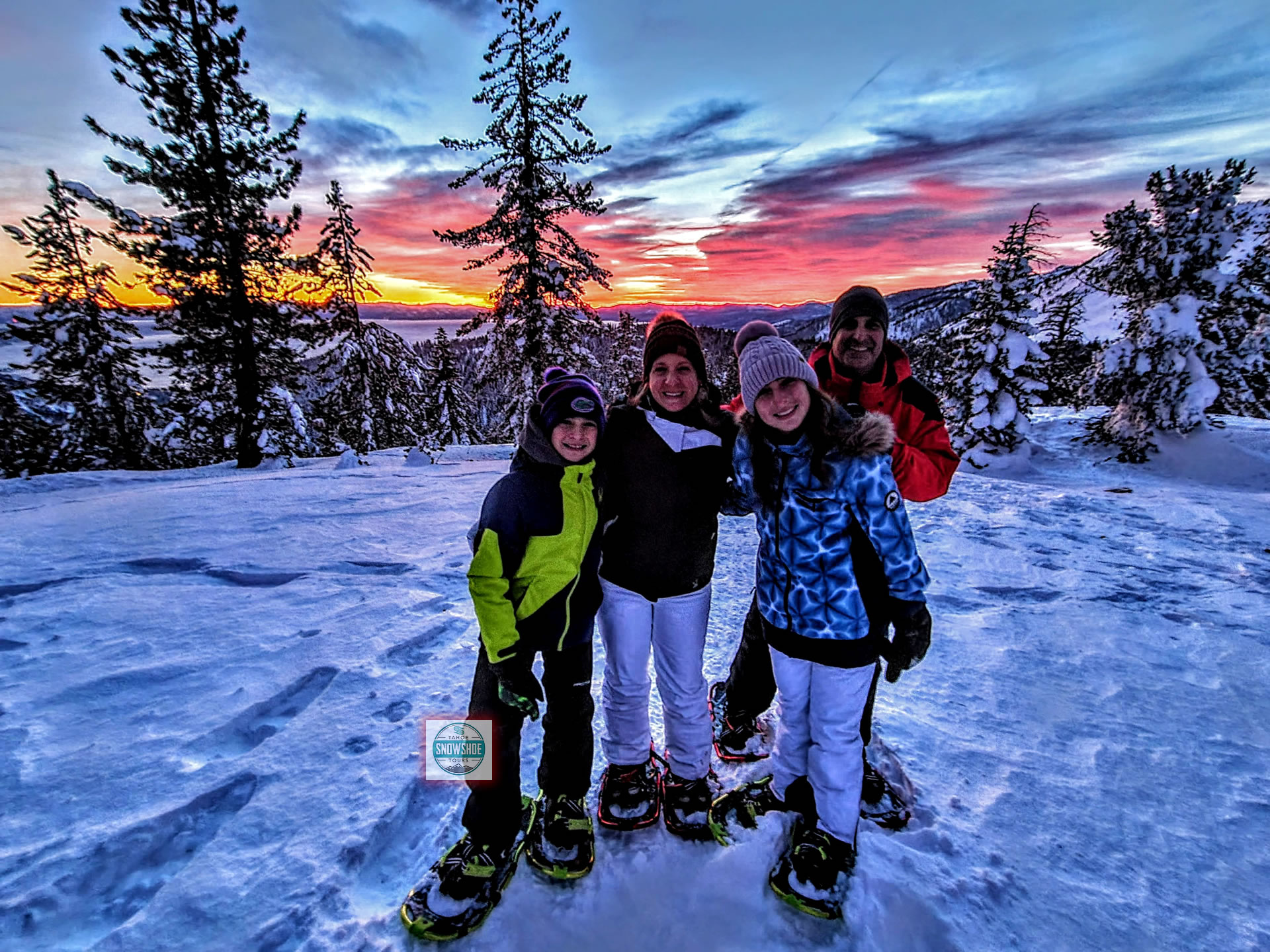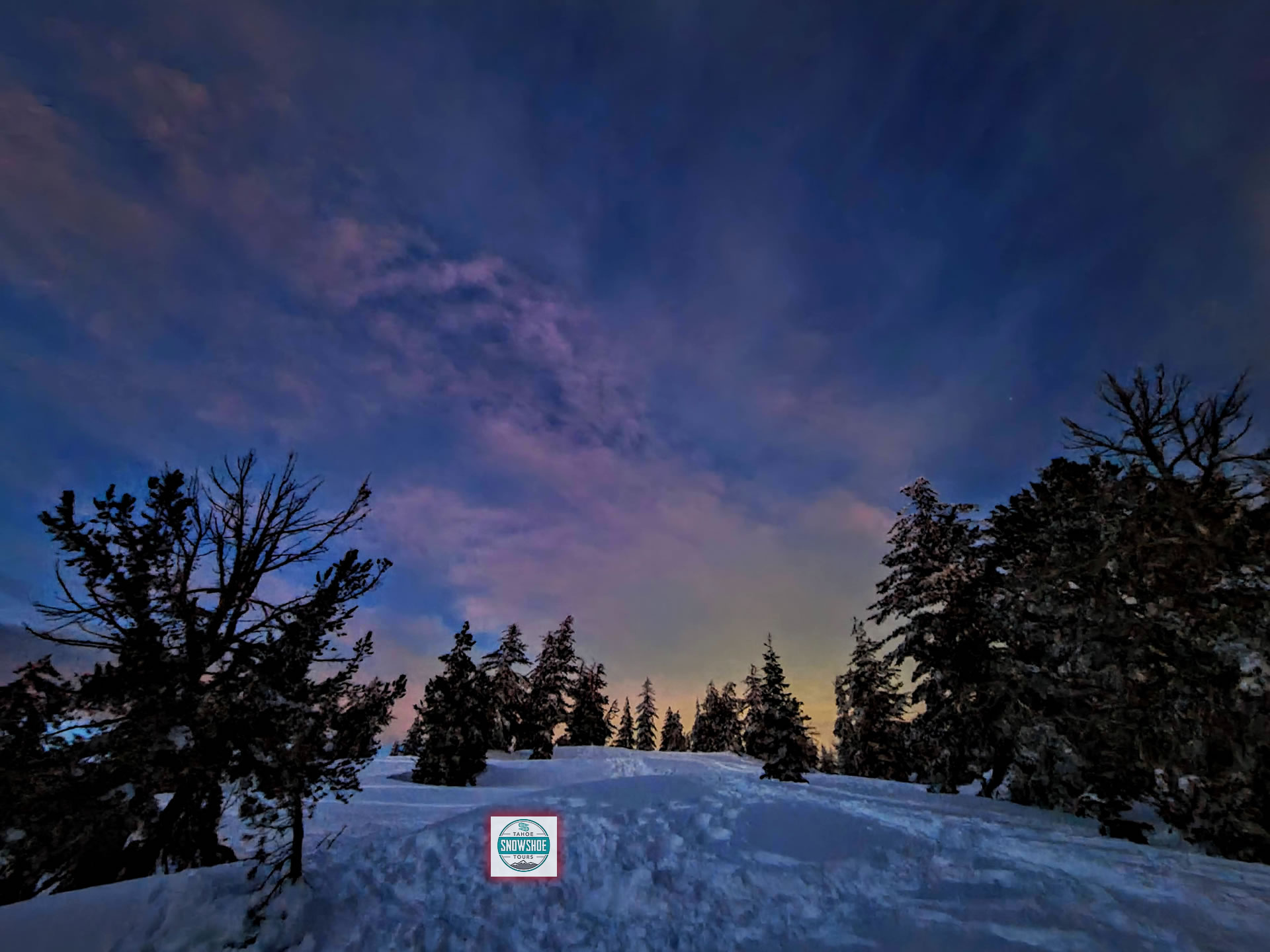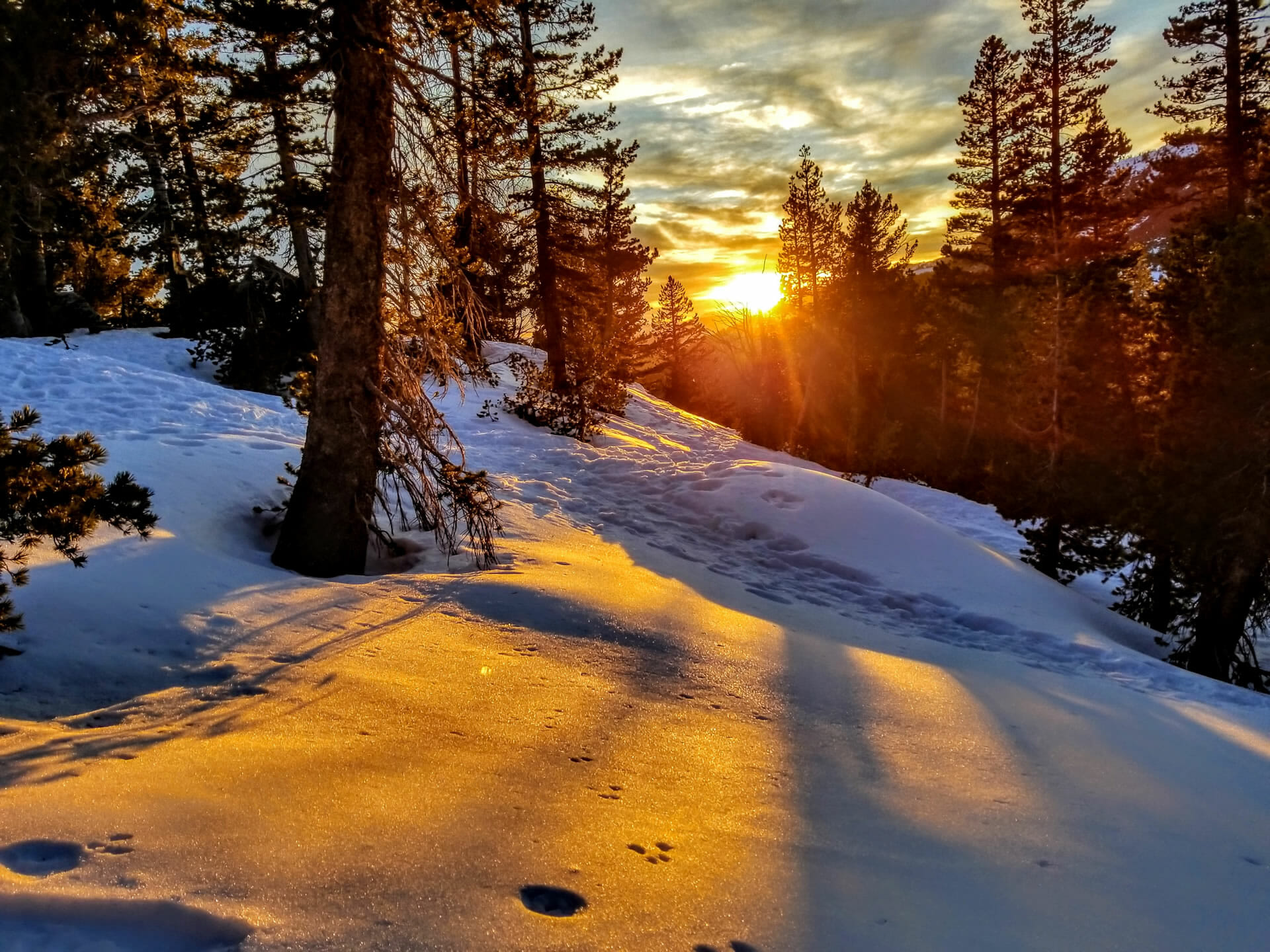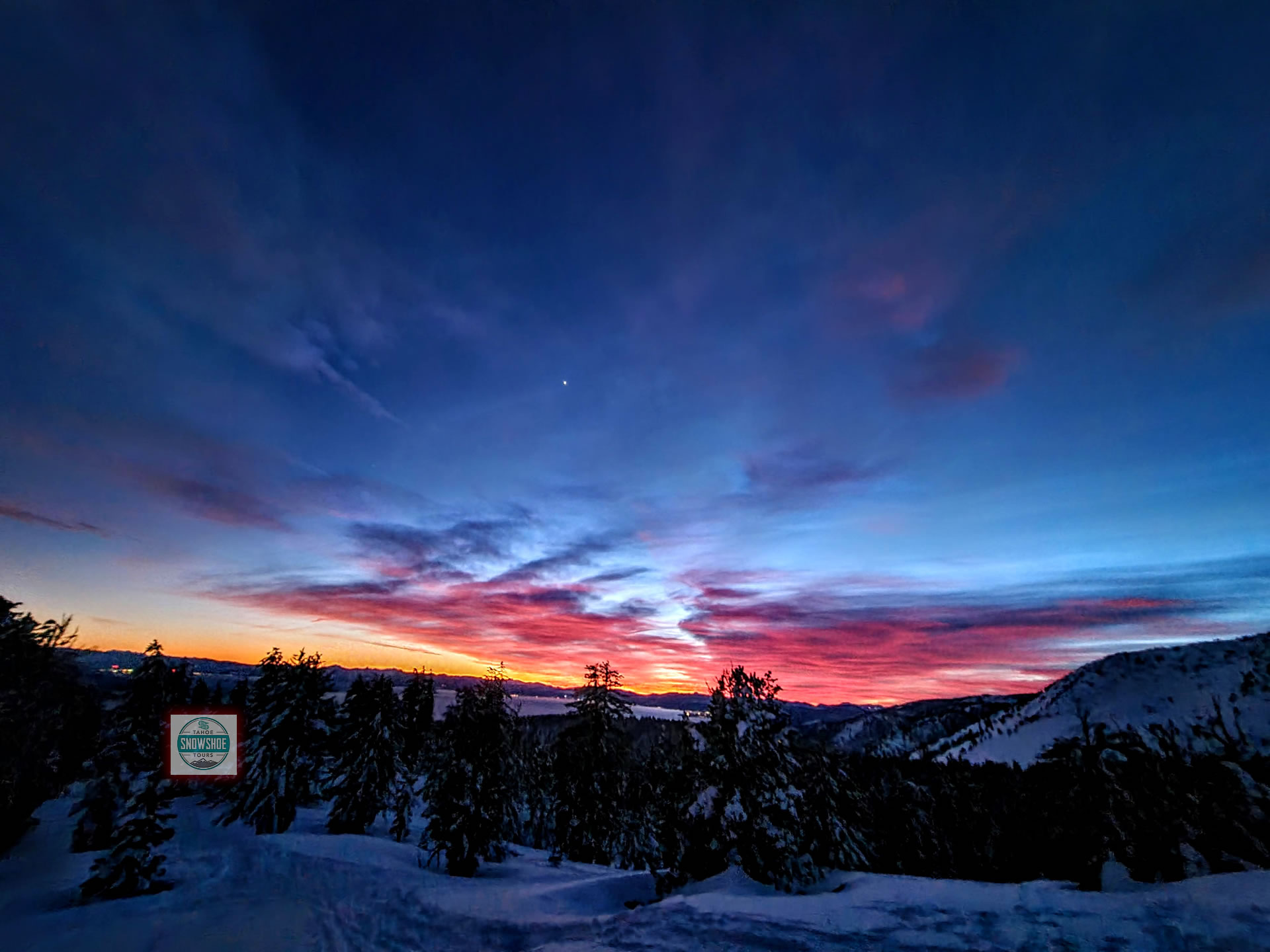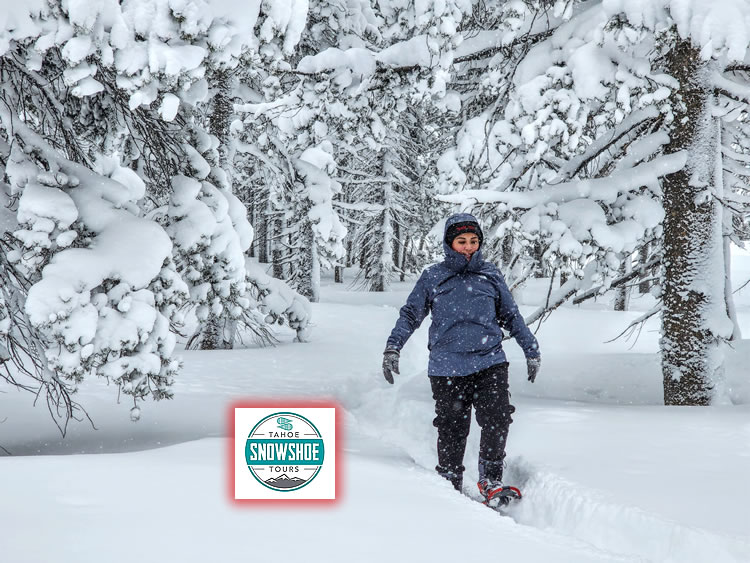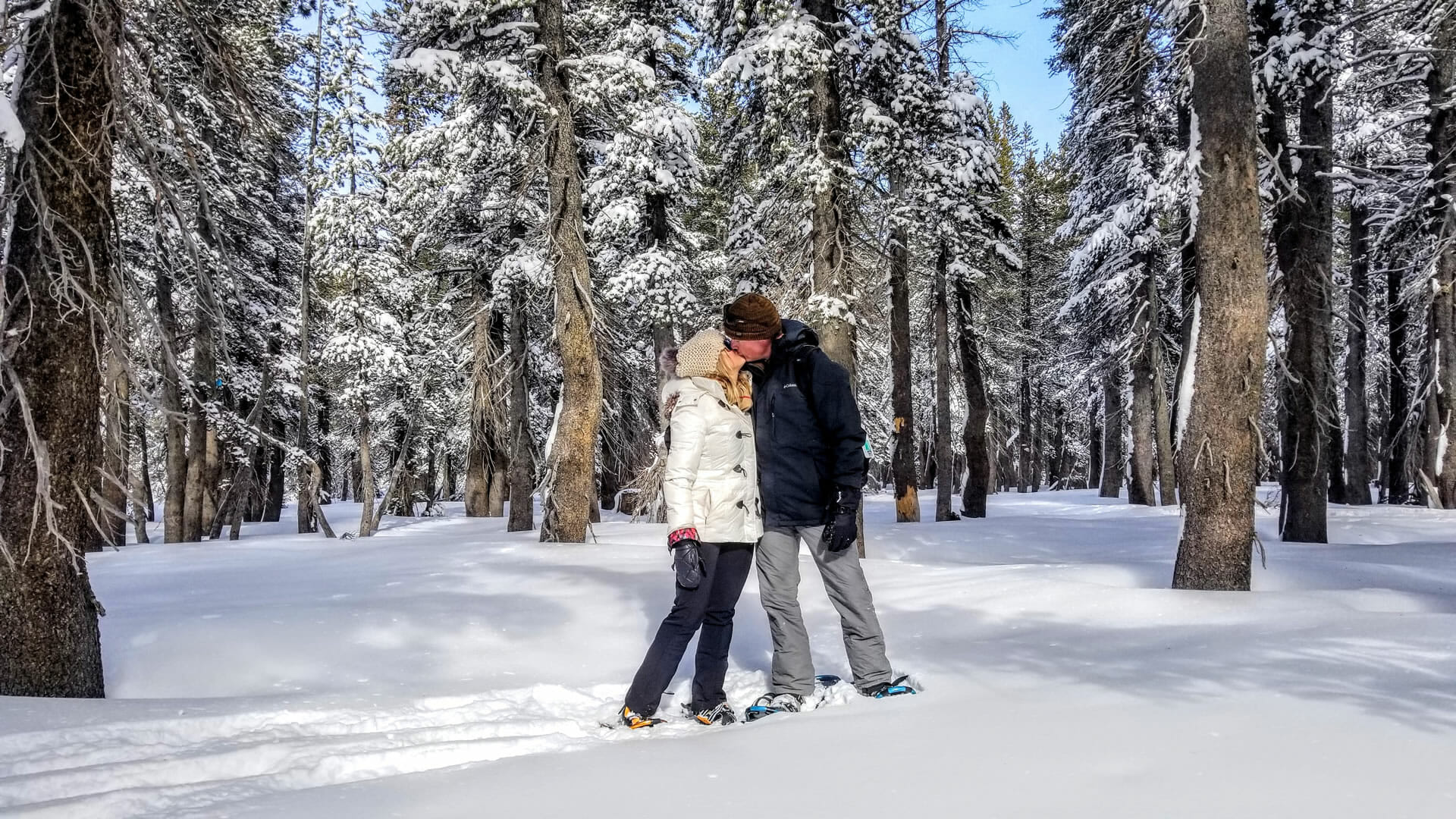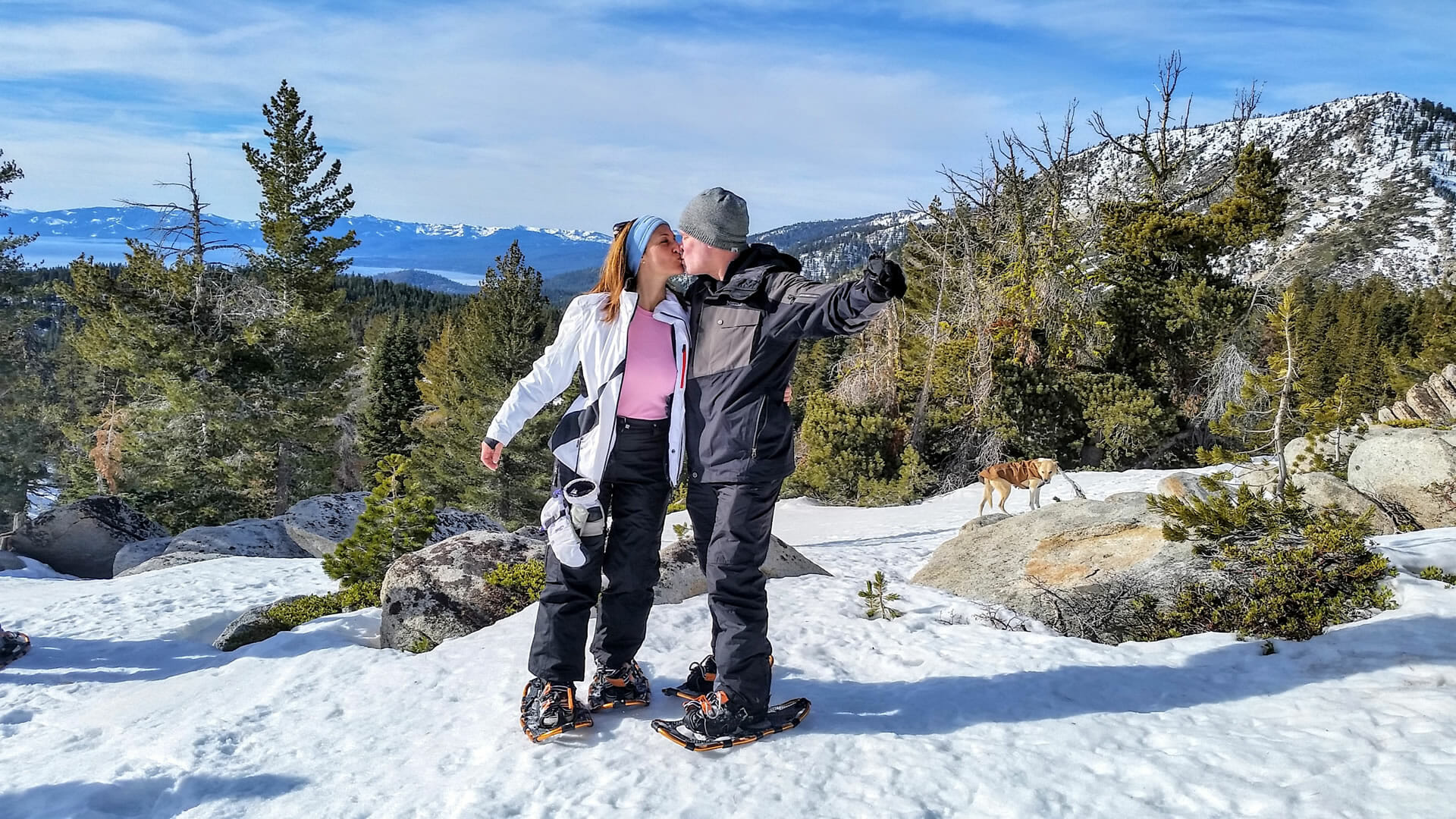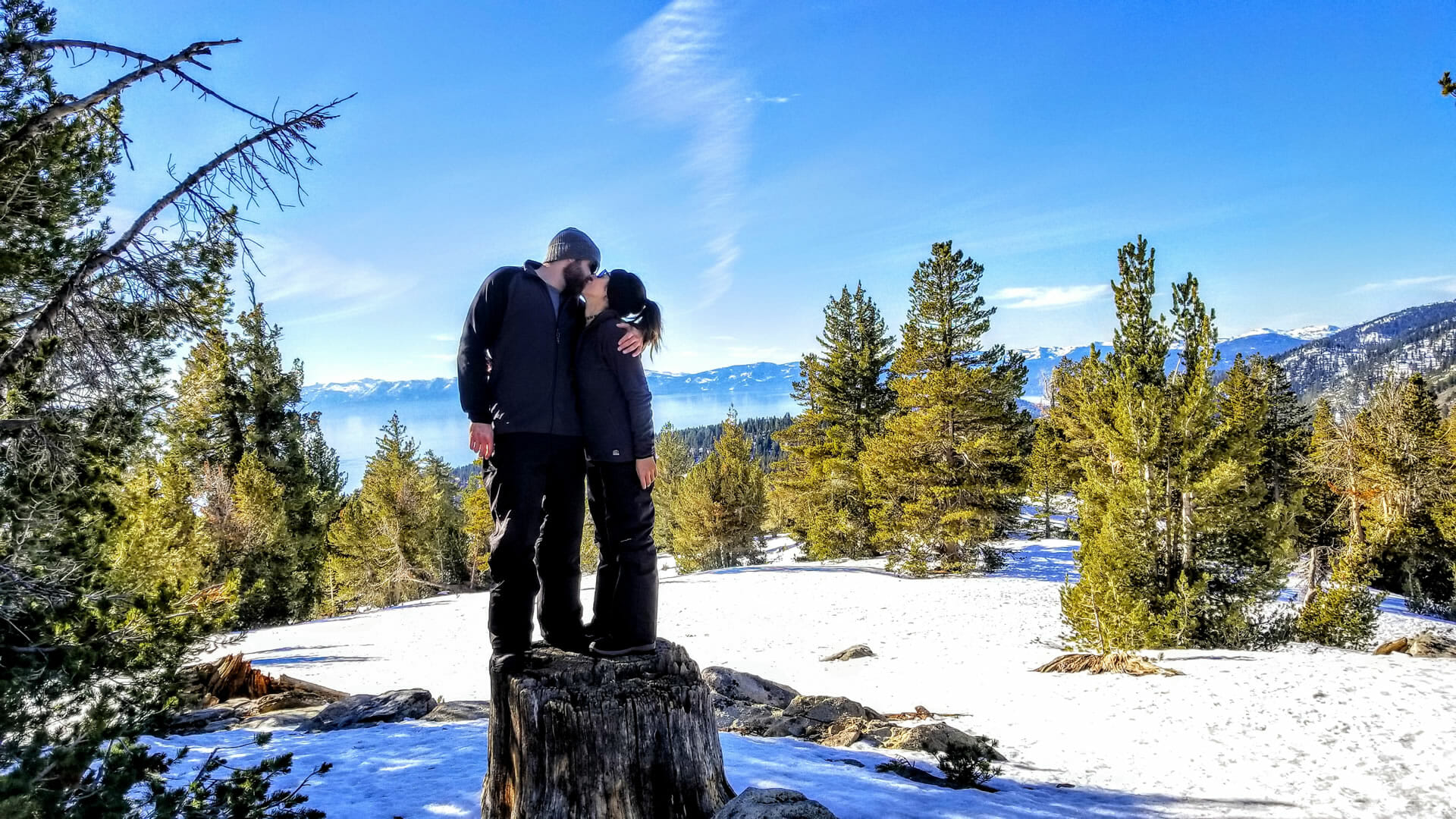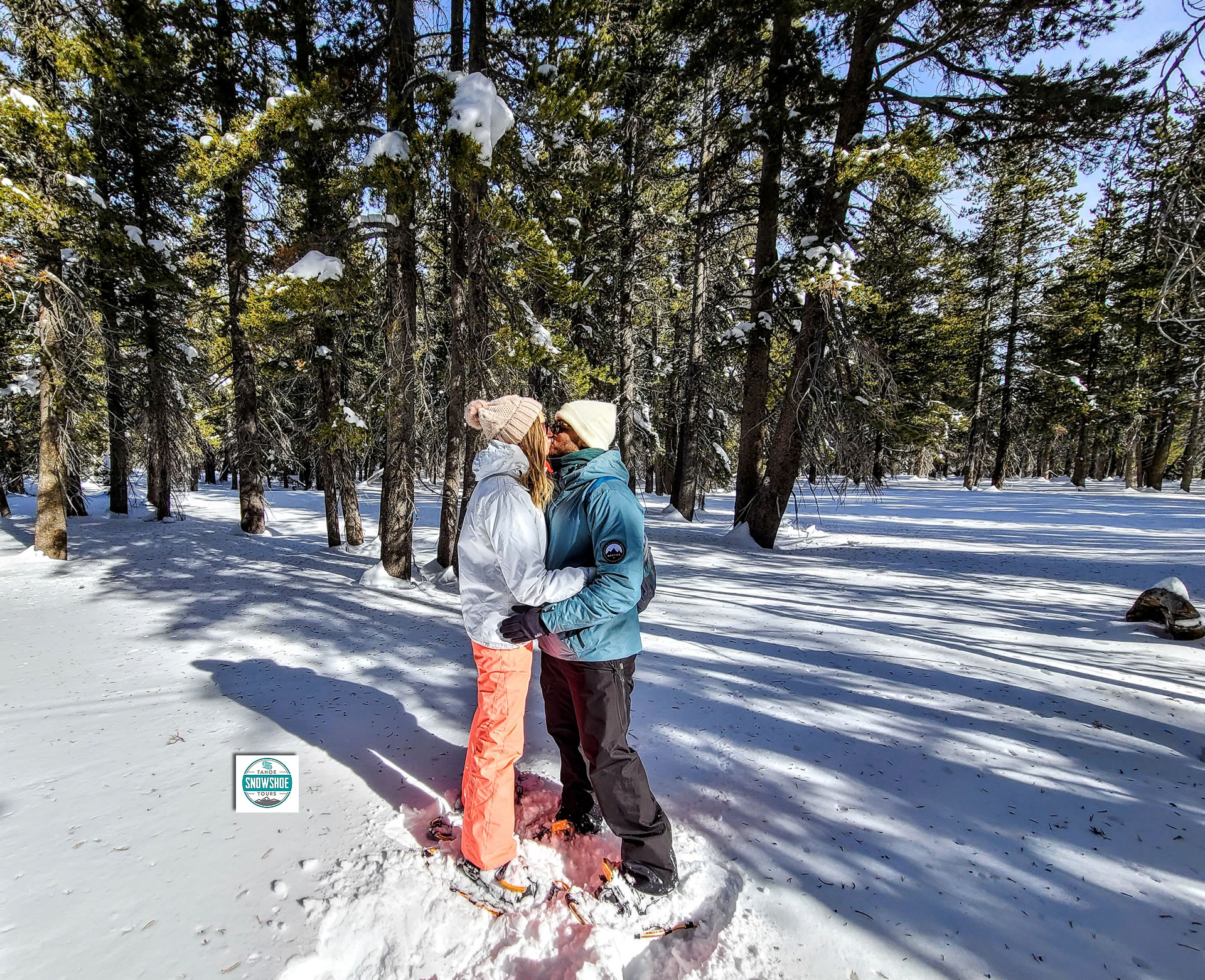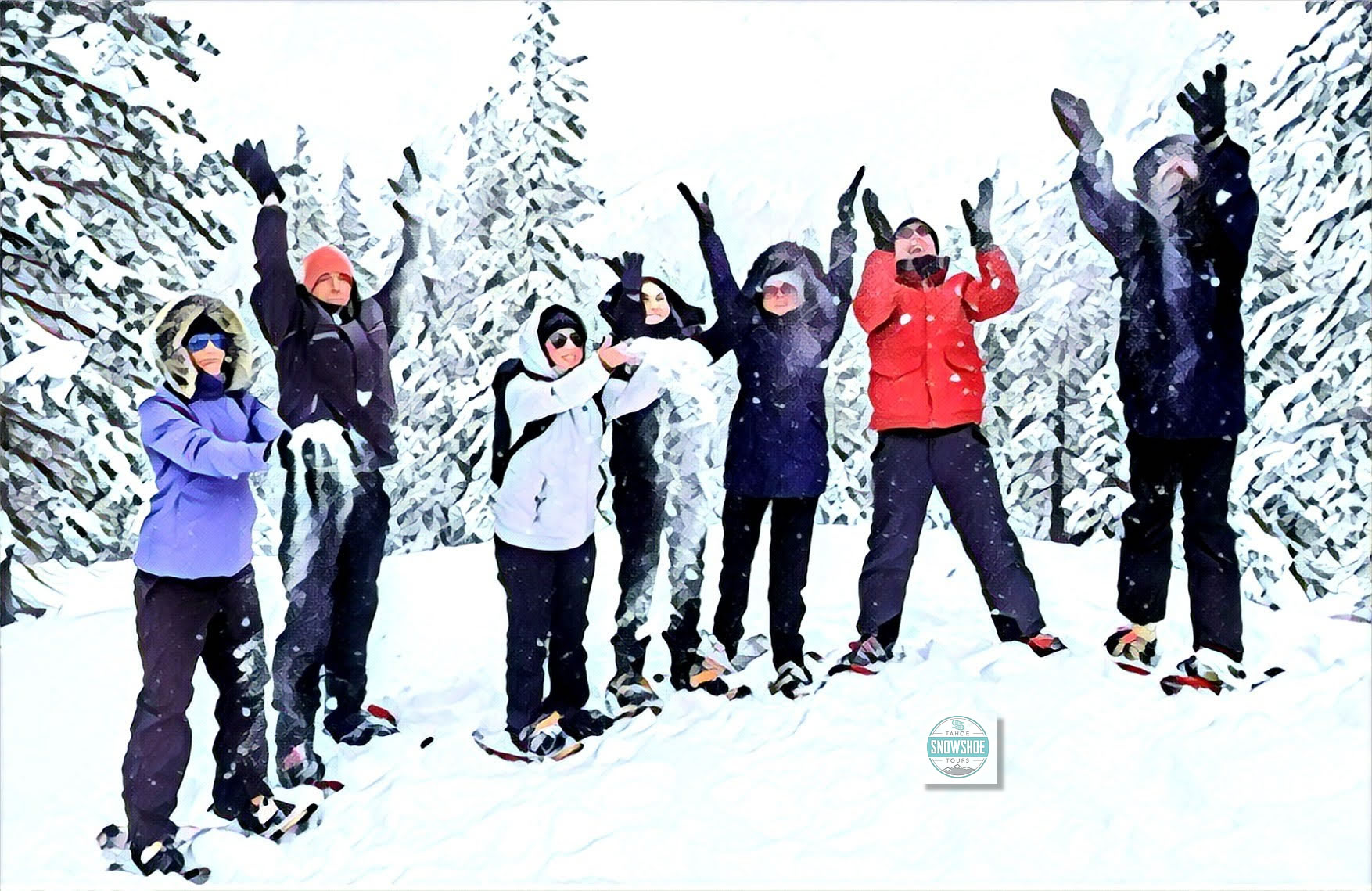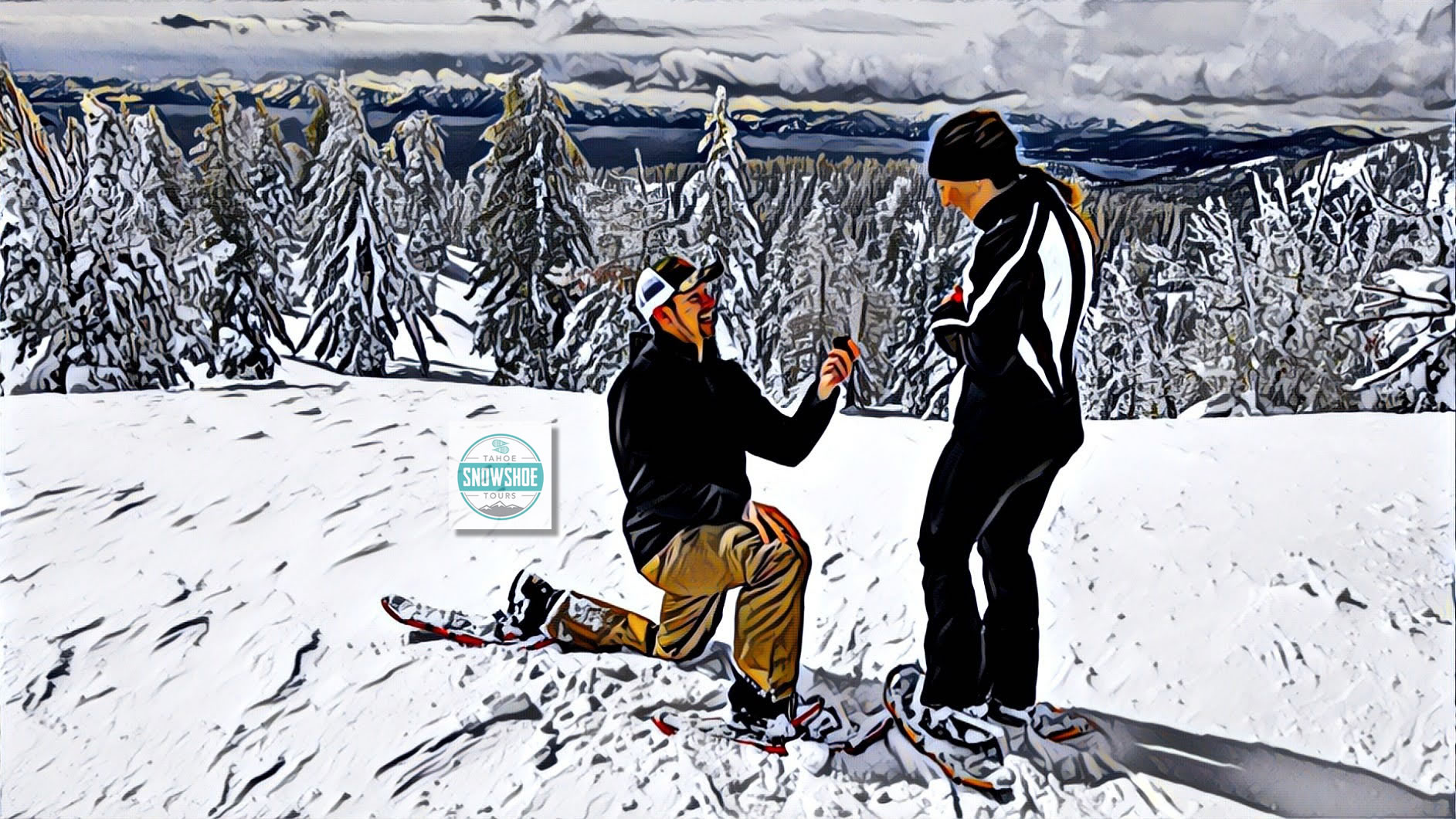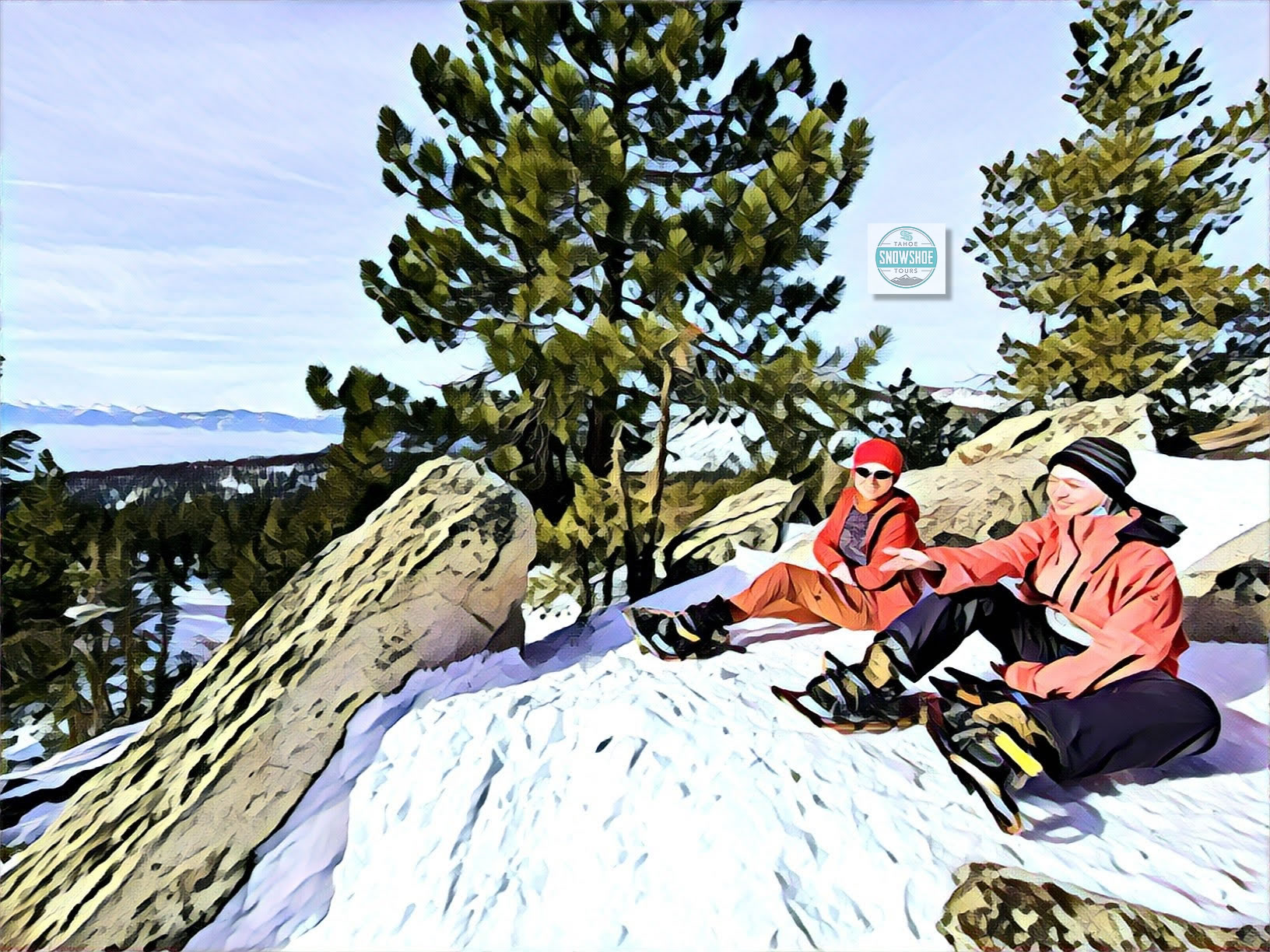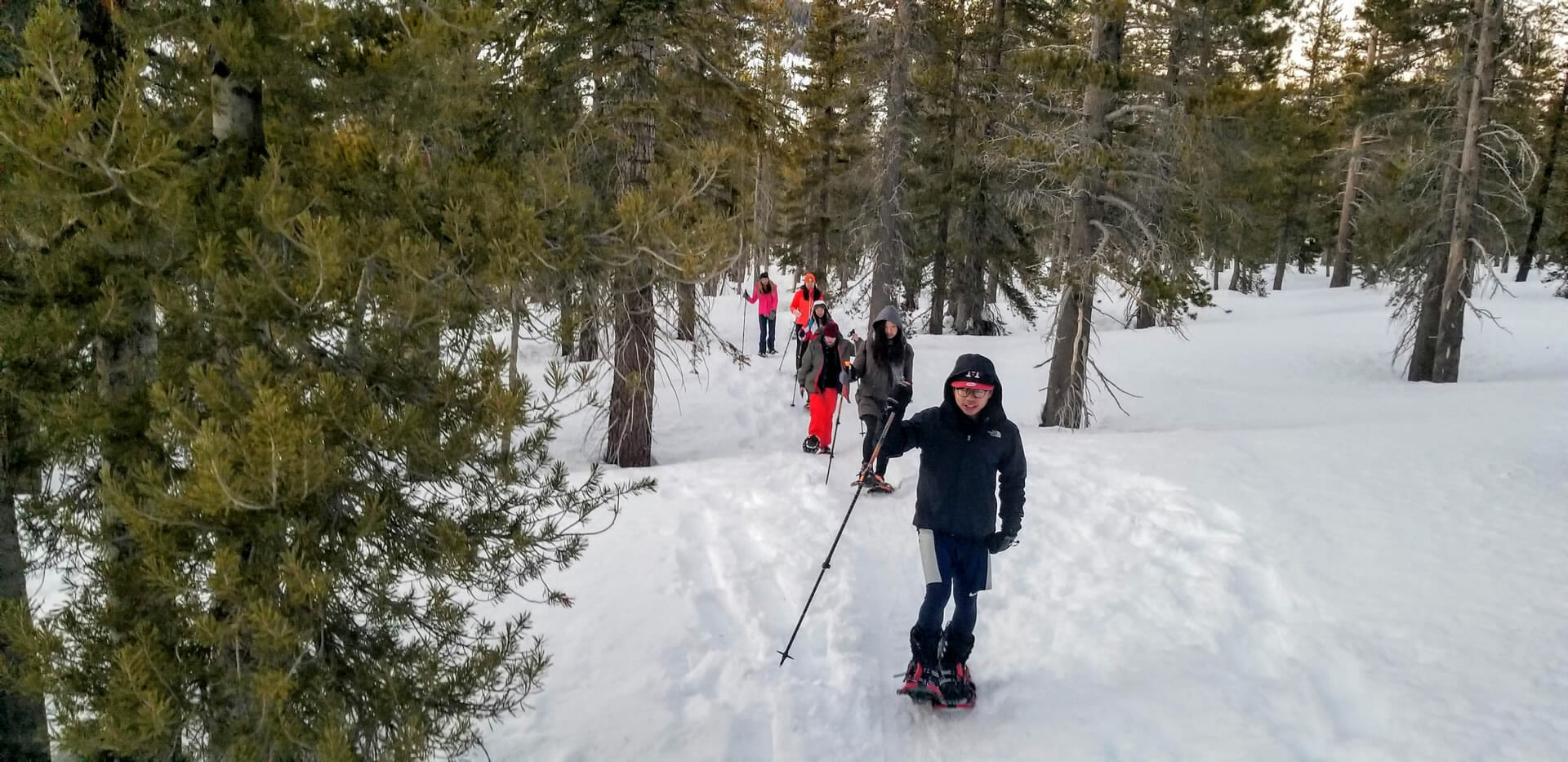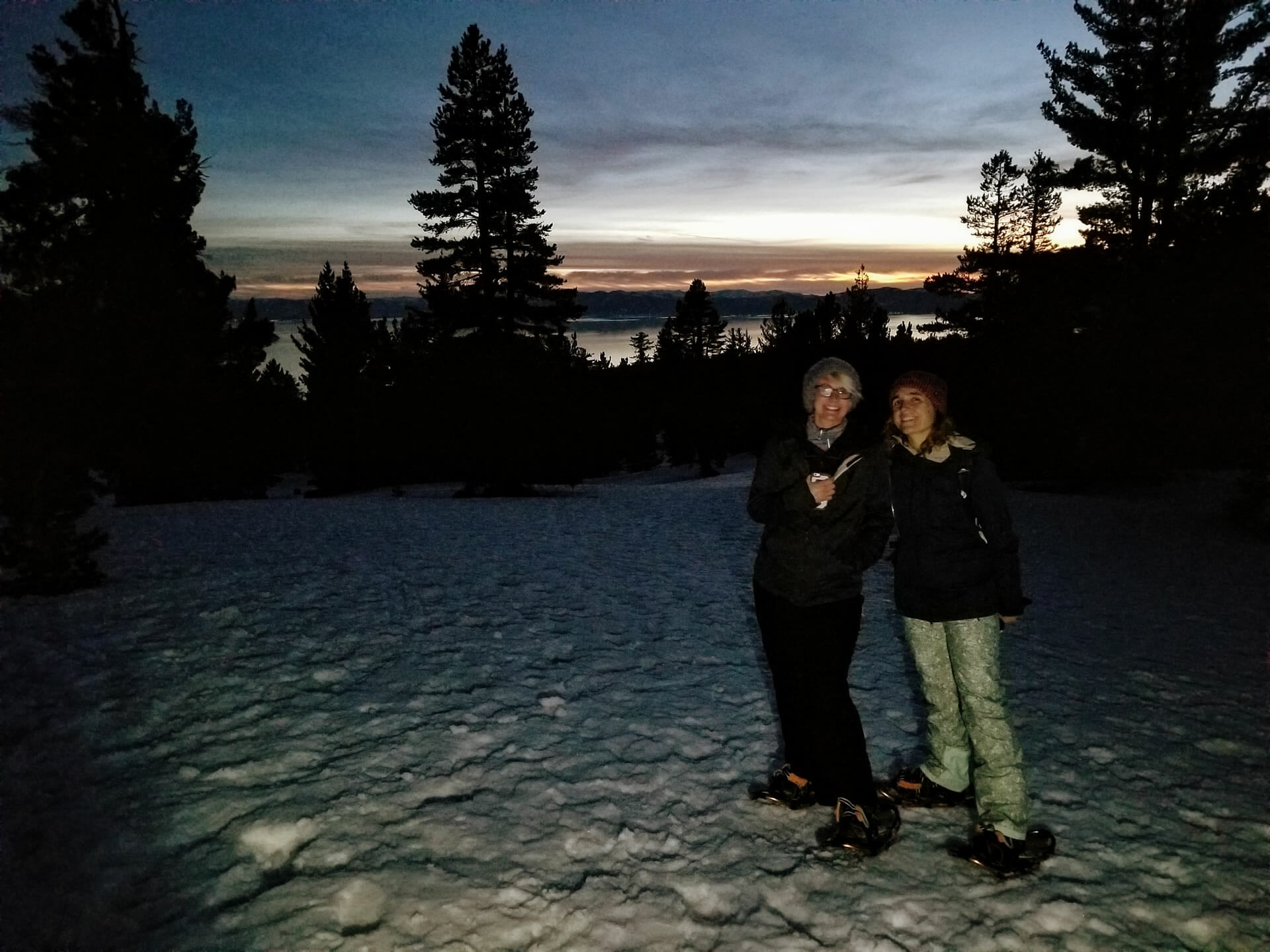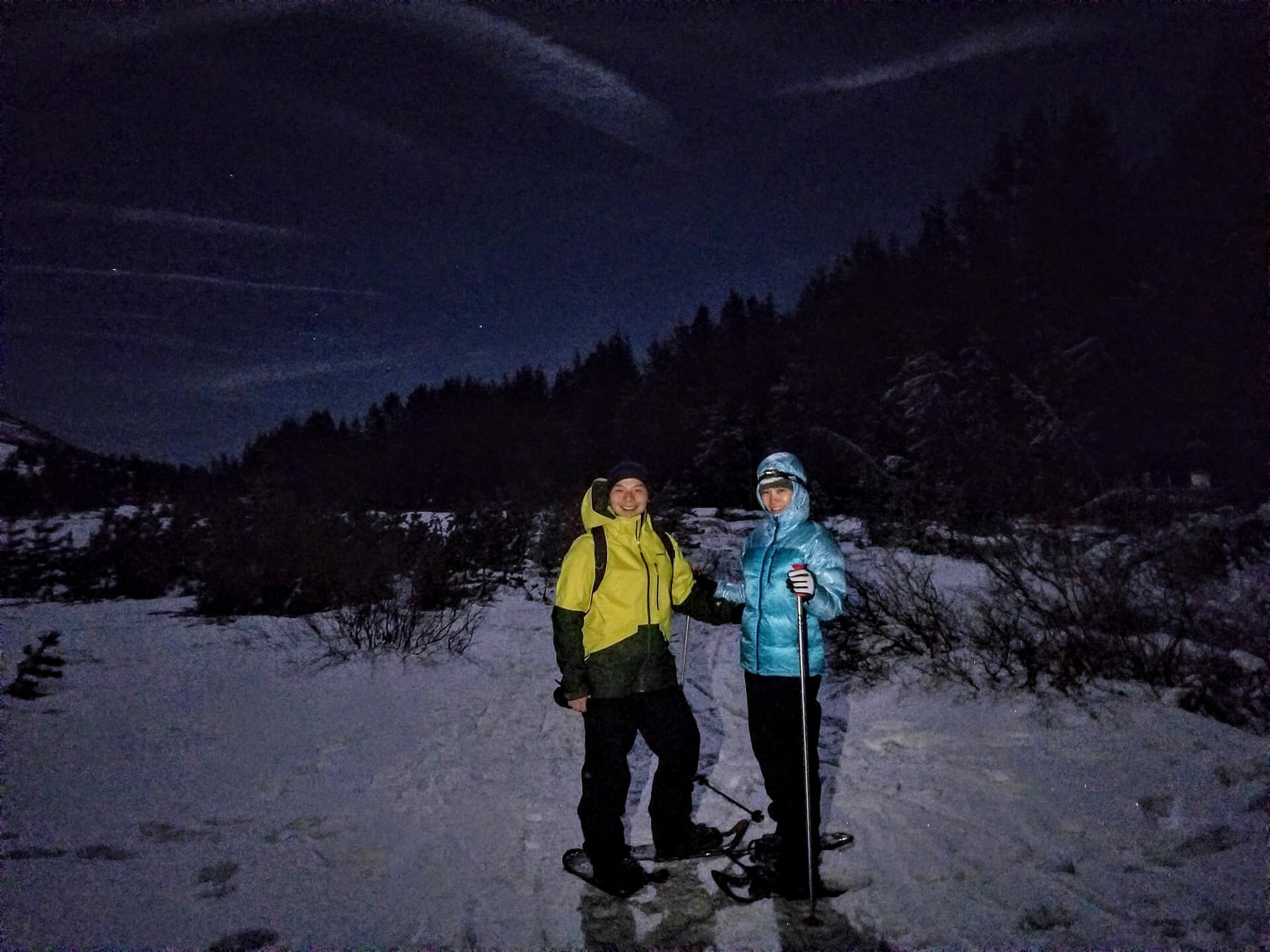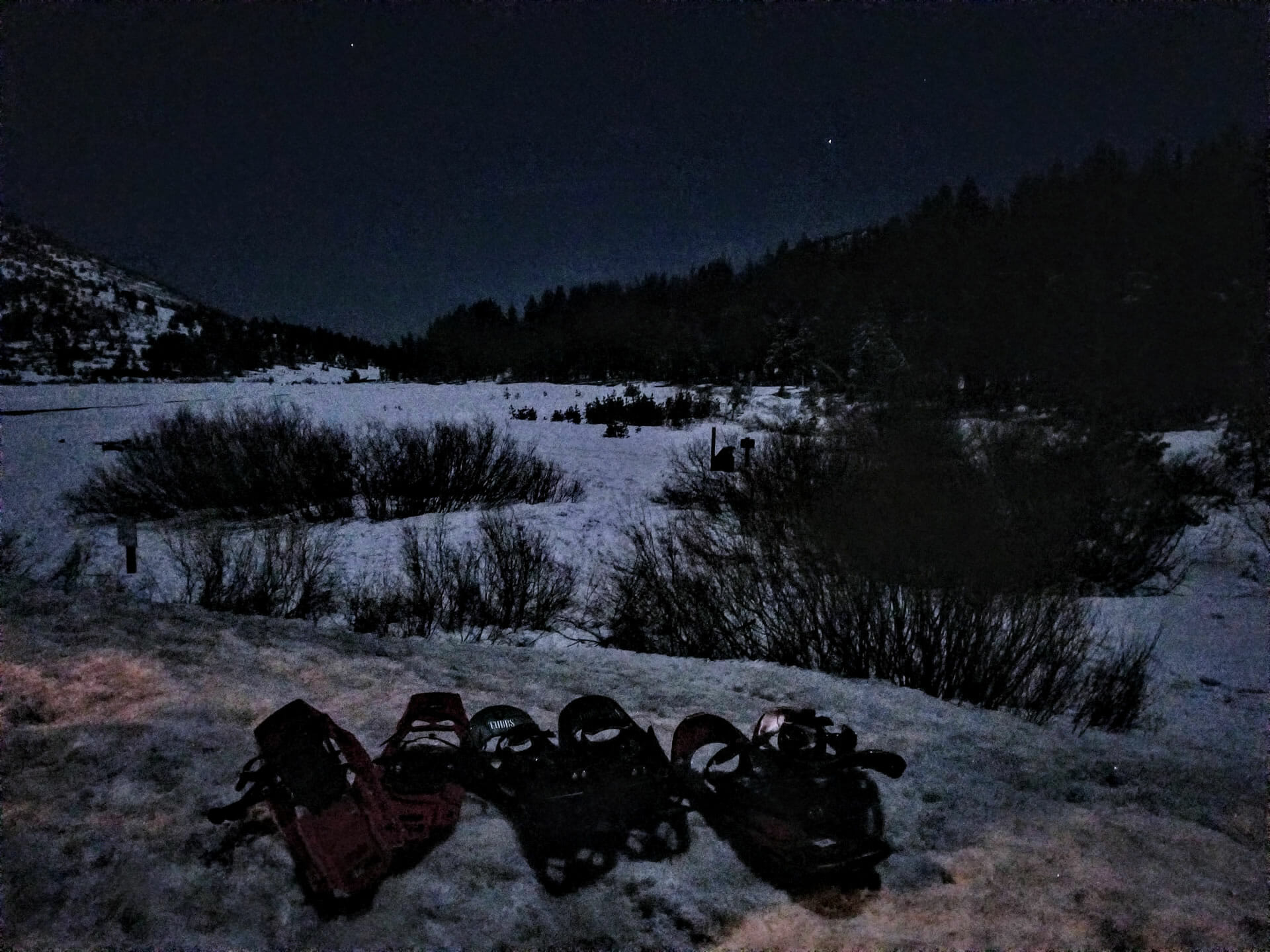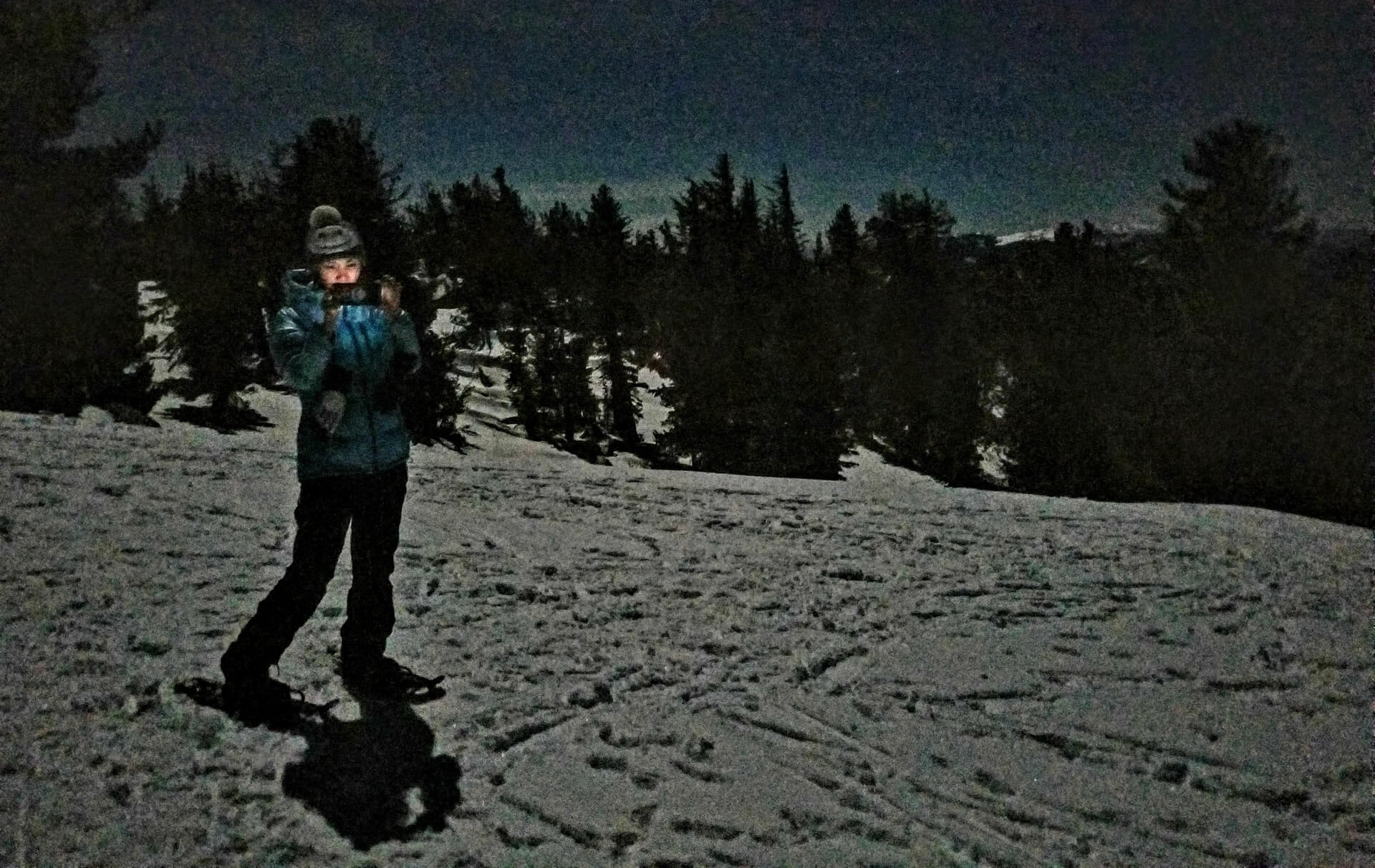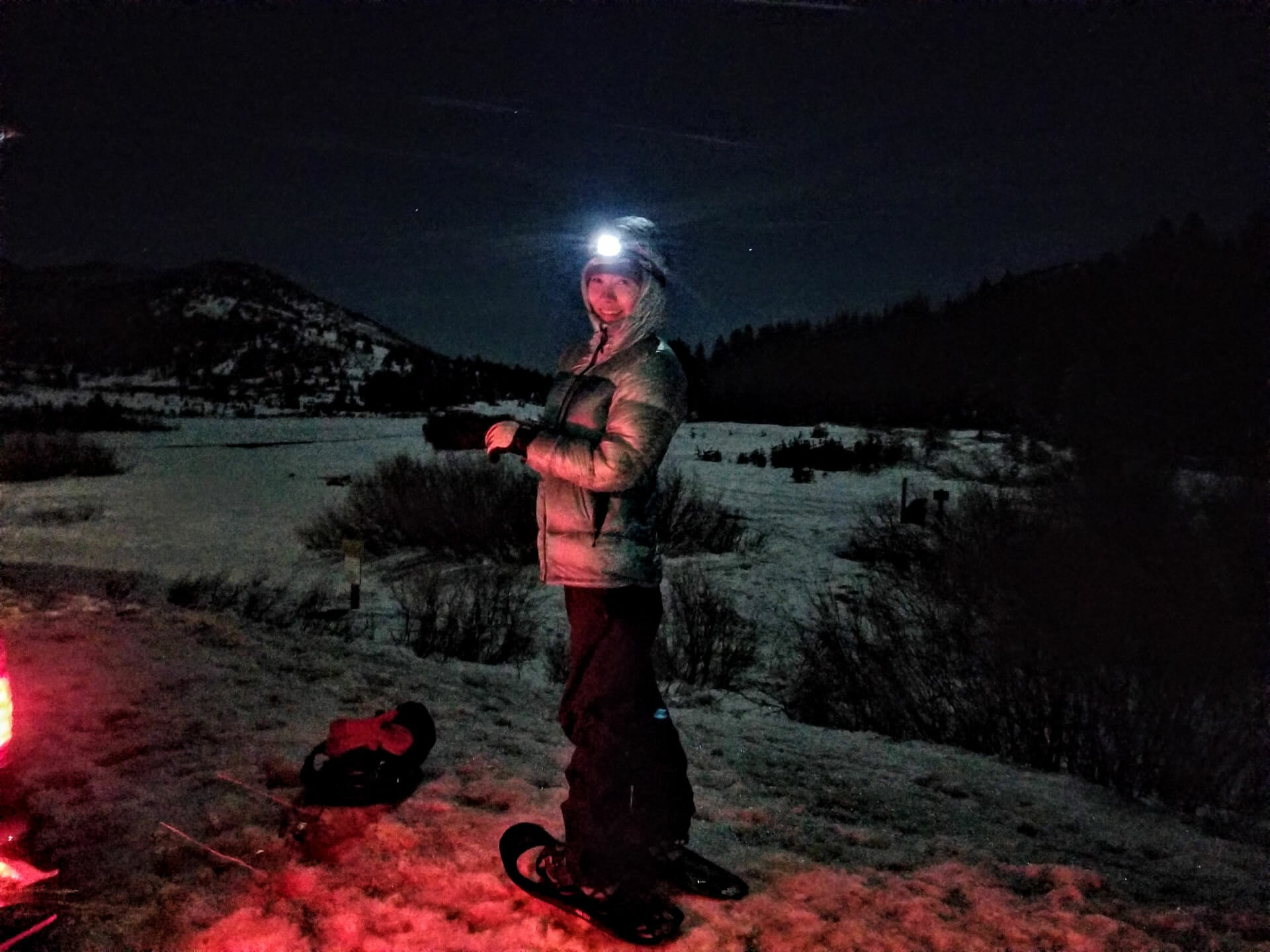
Tahoe Snowshoe Tours Perfection
Why the Perfect Tahoe Snowshoe Tour Is Only Two Miles — And Why Longer Tours Are “Fool’s Gold”
The High-Altitude Truth Backed by 15+ Years of Guest Feedback
For more than 15 years, and especially in the years following the post-Covid surge of outdoor recreation, one truth has become undeniable across thousands of our Tahoe Snowshoe Tour guests:
At 8,600–9,100 feet above sea level, the perfect snowshoe distance for the average visitor is two miles — no more, no less.
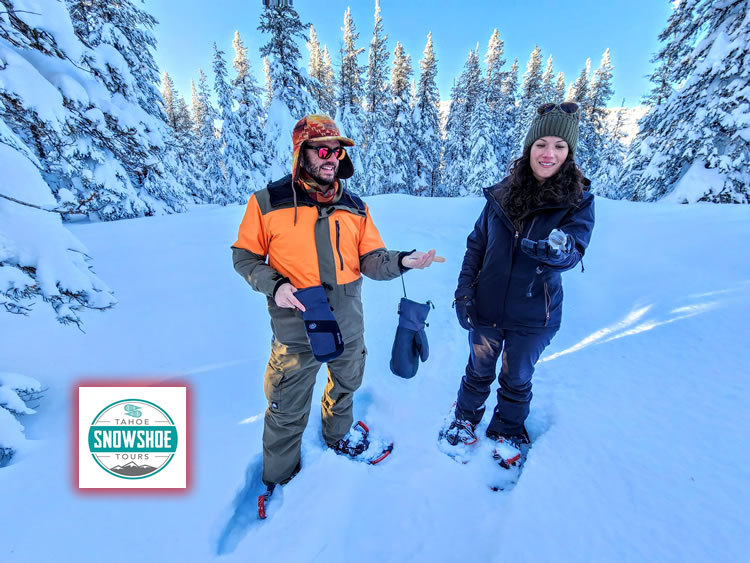
Despite what some marketing-driven competitors claim, nobody (short of maybe Sir Edmund Hillary himself) arrives in Lake Tahoe fully acclimatized to high-altitude exercise. And certainly no one arrives acclimatized to 2,600 feet above lake level, where we actually operate — an altitude where the air is thin, the snow is deep, the views are unreal, and the cardiovascular demand is exponentially different from anything most people experience at home.
After tens of thousands of steps, hundreds of five-star reviews, and countless conversations at mountaintop overlooks, the verdict is in:
Two miles at 8,600–9,100 feet creates the ideal blend of immersion, enjoyment, and physical comfort. Longer distances do not make a better experience. They simply make a more exhausting one.
In this article, we break down exactly why — and why marketing promises of 3–5 mile slogs are, in reality, nothing but high-altitude “fool’s gold.”
🌲 Understanding High Altitude: Why Elevation Changes Everything
Most of our guests travel from areas that sit near sea level or under 2,000 feet of elevation. At those elevations, you can hike, run, and snowshoe for miles without much impact to breathing or pace.
But at 8,600–9,100 feet, everything changes.
-
Your body gets 30% less oxygen per breath
-
Your heart rate rises significantly
-
Fatigue sets in faster
-
Performance drops by 15–25% compared to sea level
-
Even elite athletes need time to adjust
This is the altitude where we operate — not at lake level, which is already at 6,200 feet, but 2,600 feet above it, where the landscape is completely different, the snow is deeper, and the physiology is more demanding.
Let’s put this into perspective:
Nobody is truly acclimatized to 9,000 feet after driving up Highway 50 or 80. Not even tough guys, marathoners, Cross Fitters, or weekend warriors. Unless your name is Sir Edmund Hillary, this is a new environment for your body.
And that’s the beauty of it — but also why carefully crafted tour distances matter more here than anywhere else.
❄️ What 15+ Years of Guest Feedback Has Proven — Over and Over Again
From our earliest tour seasons to our post-Covid boom years, one piece of feedback is consistent across every demographic:
“That was the perfect pace, the perfect distance, and perfectly enjoyable.”
This comes from:
-
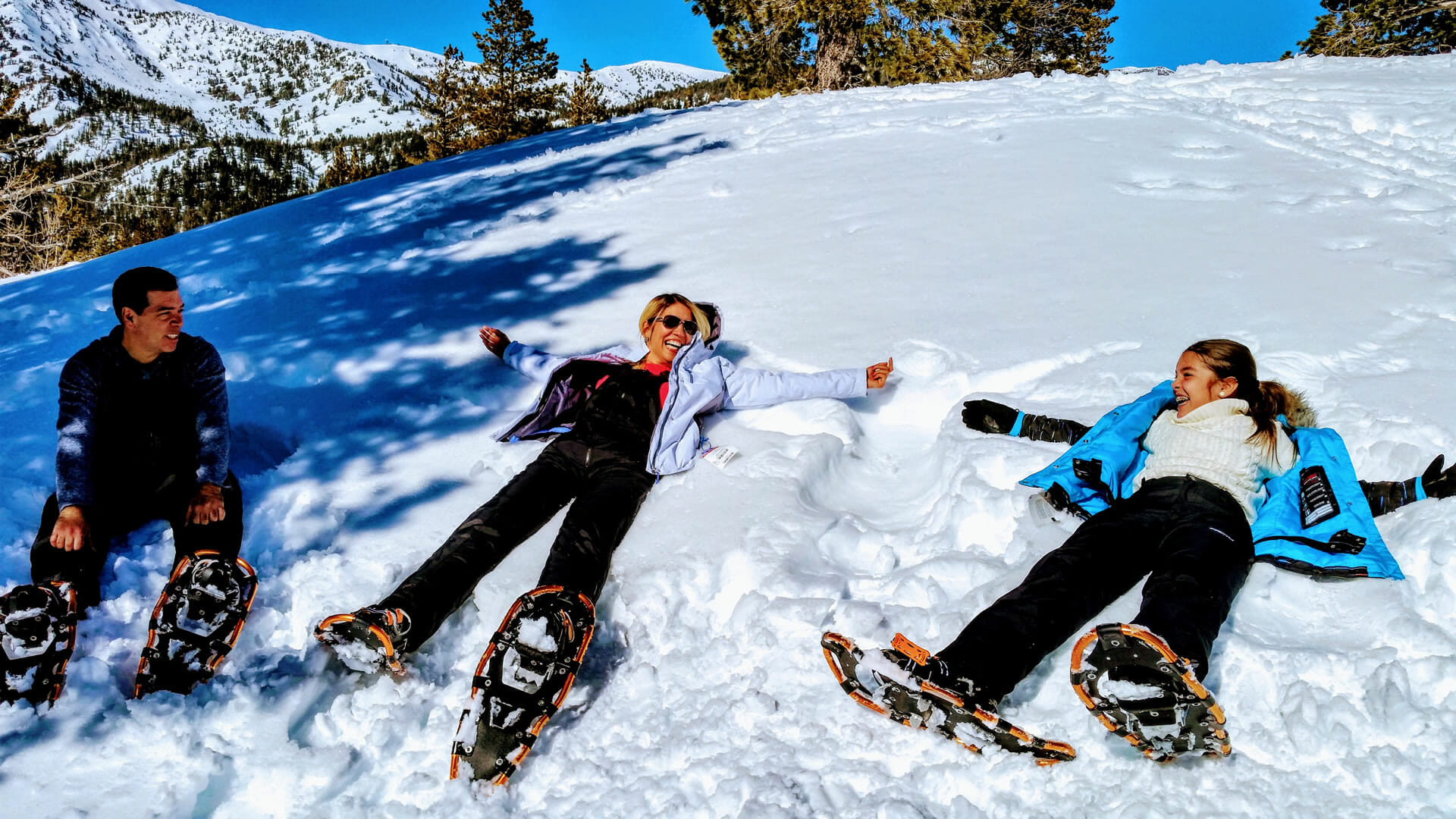
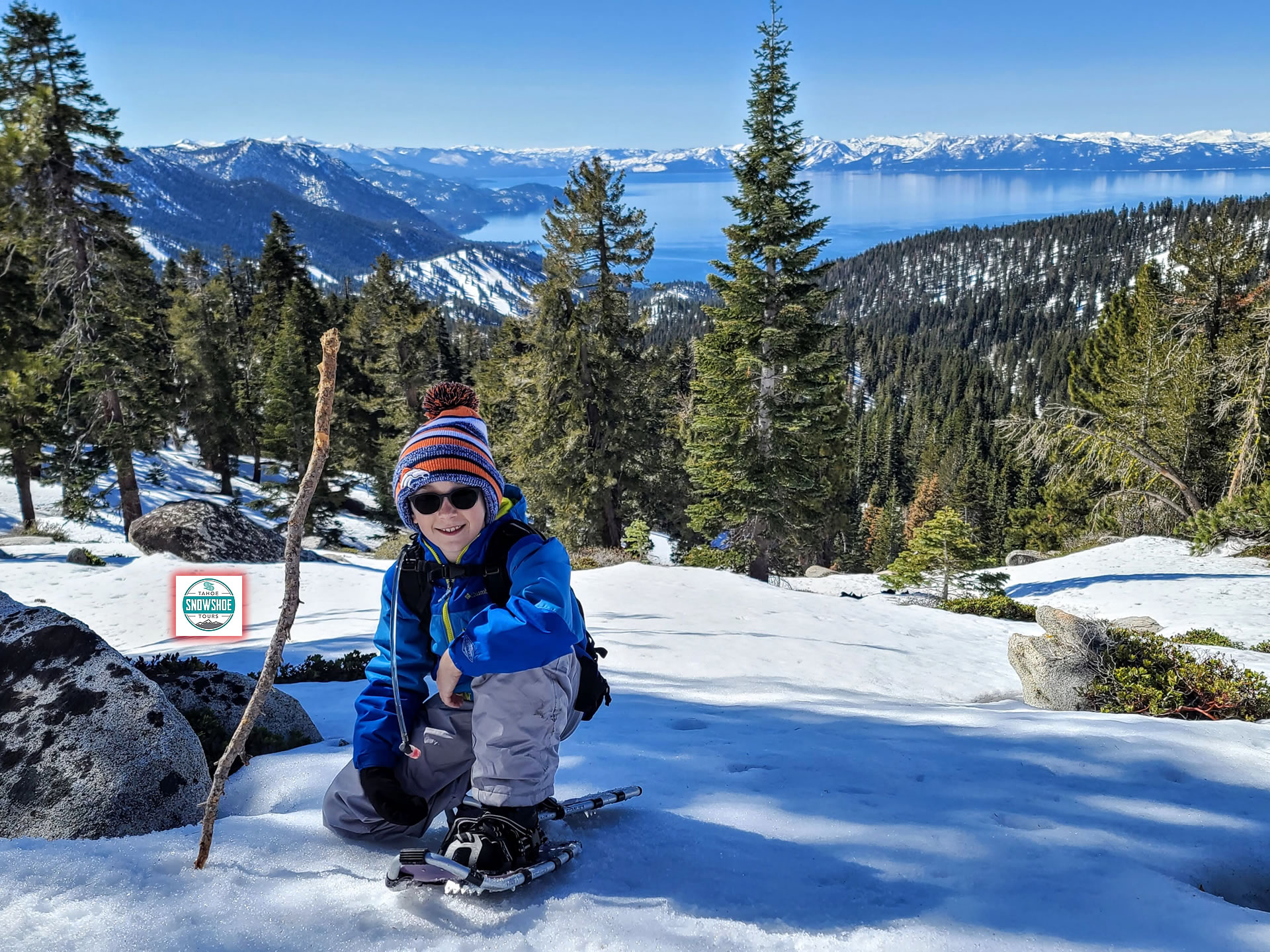
Families with kids
-
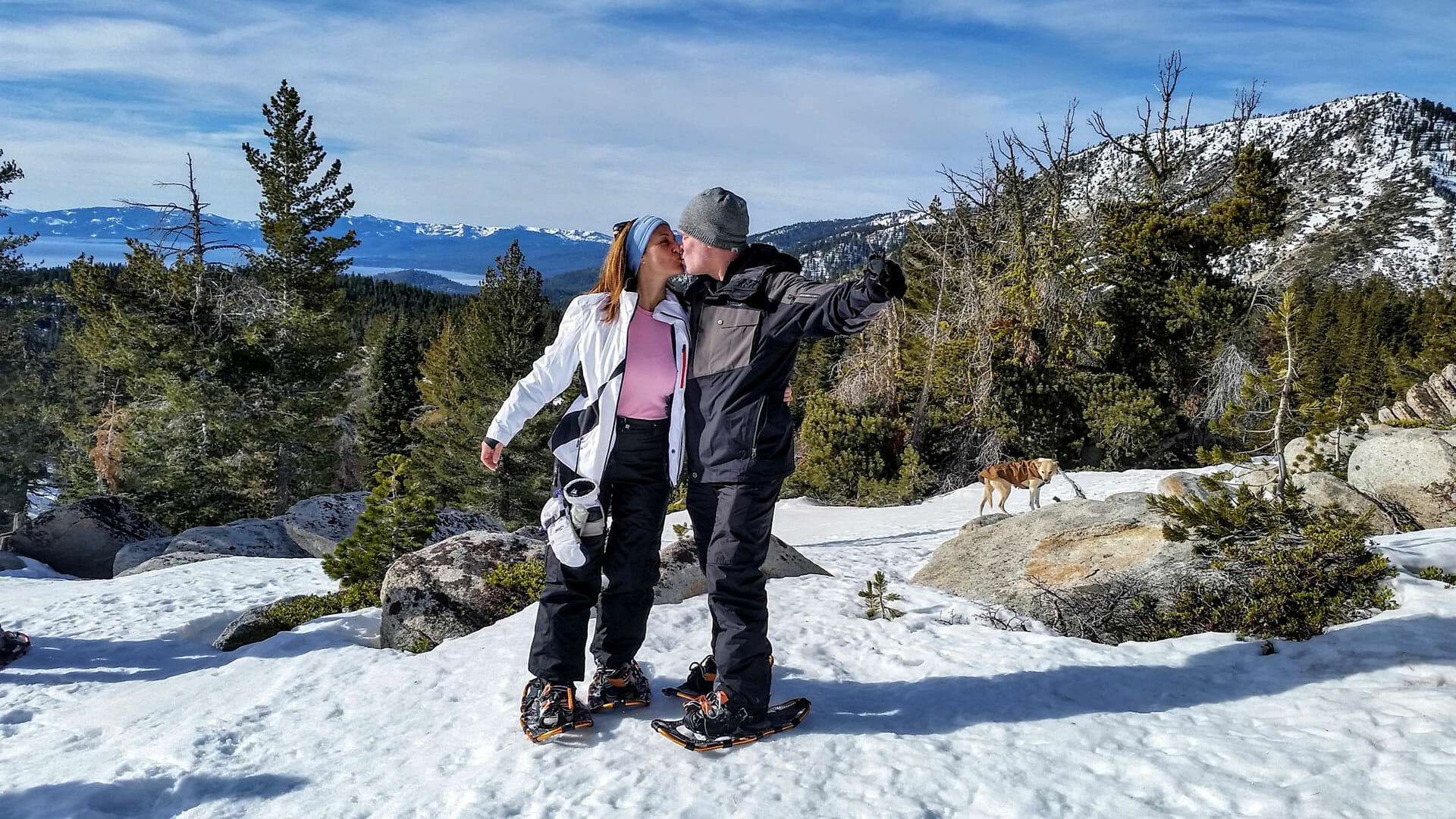
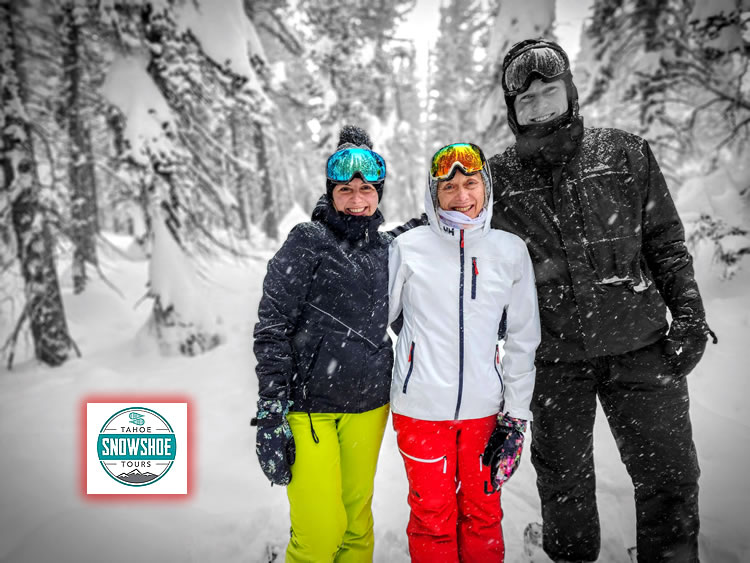
Couples
-
Honeymooners
-
Solo travelers
-
Concierge-sent VIPs
-
Guests from Miami to Manhattan
-
Fitness-enthusiasts and couch-to-summit types alike
Everyone says the same thing. And the reason is simple:
Two miles at 9,000 feet delivers the ideal balance between adventure and comfort.
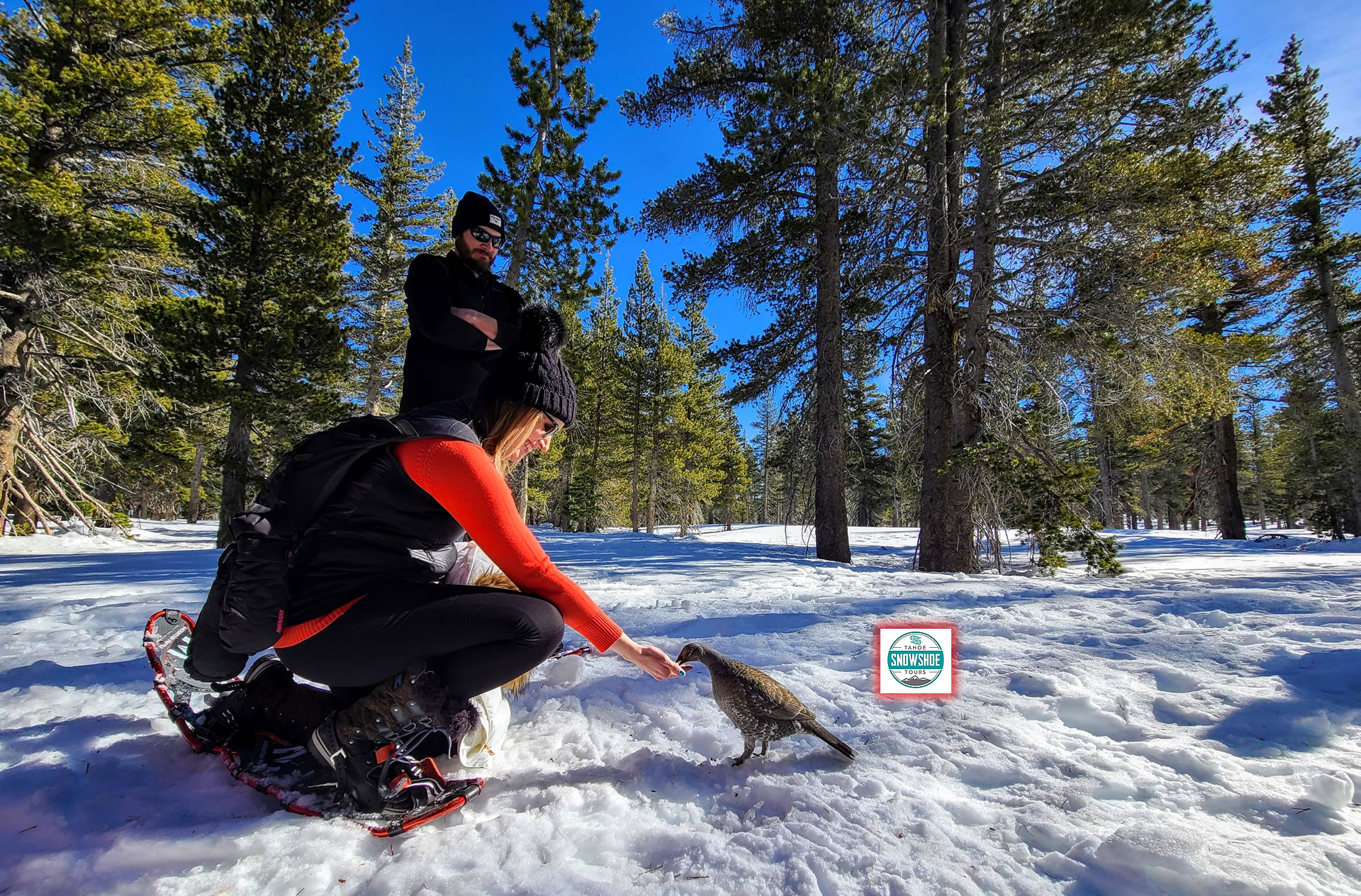
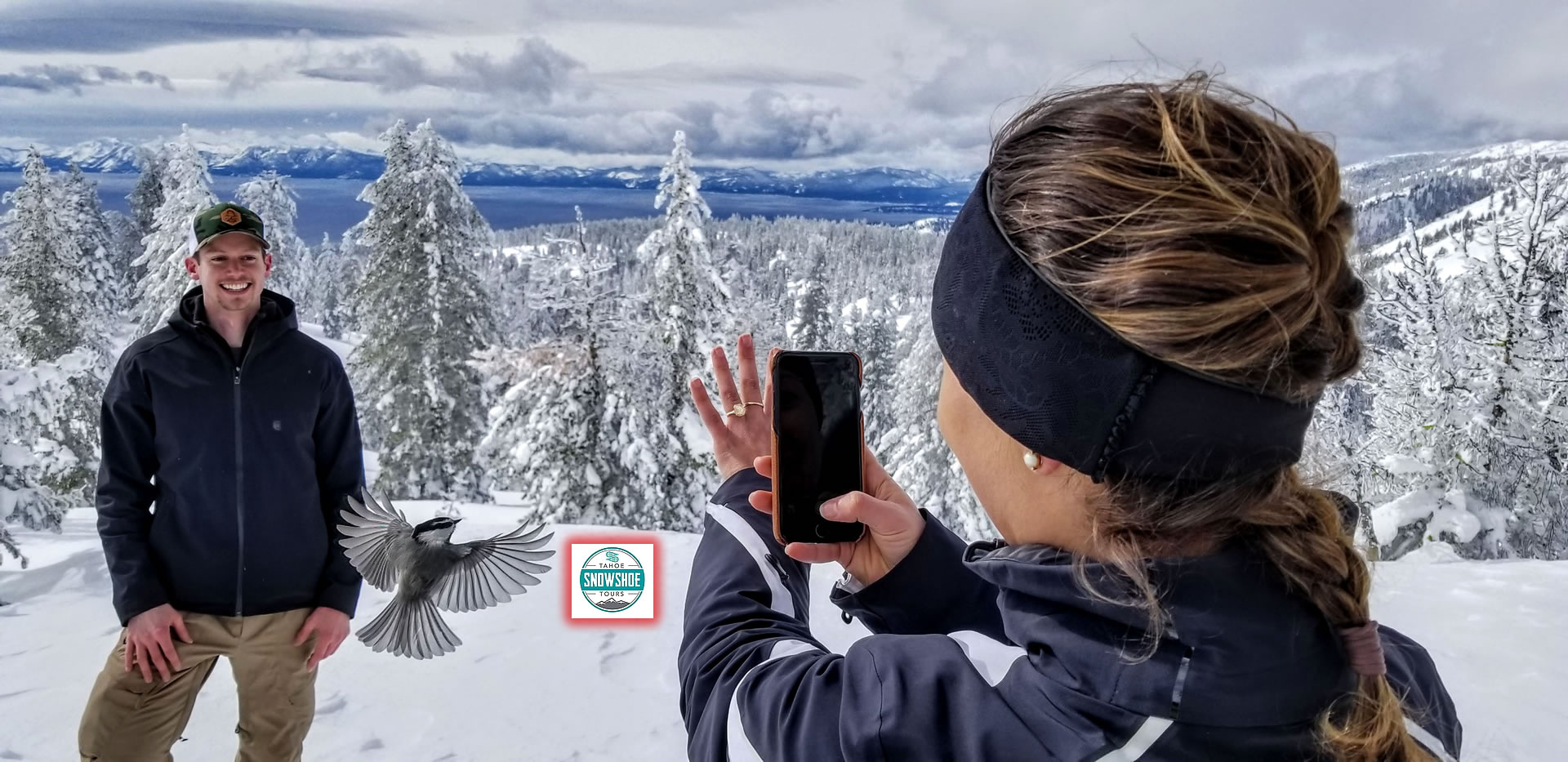
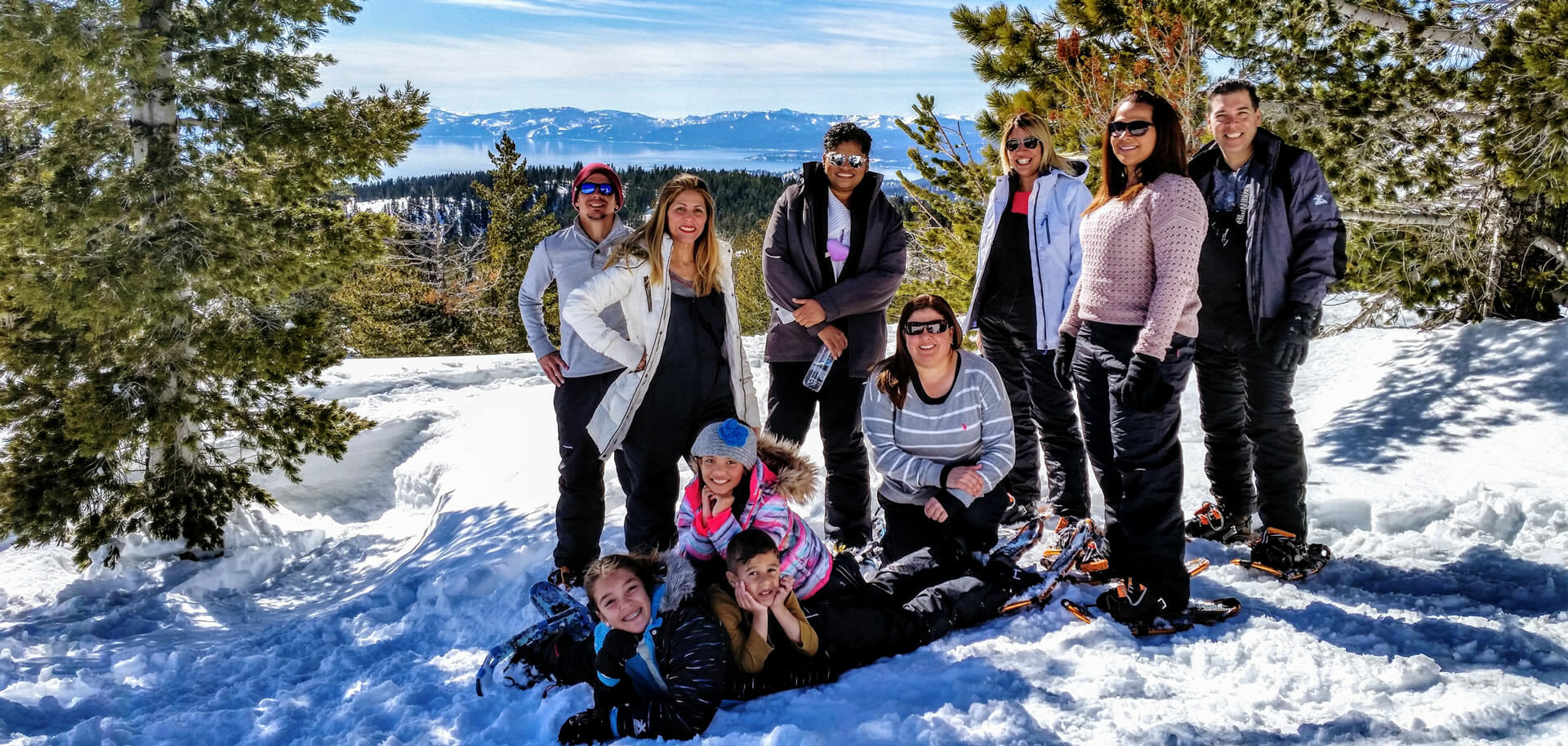
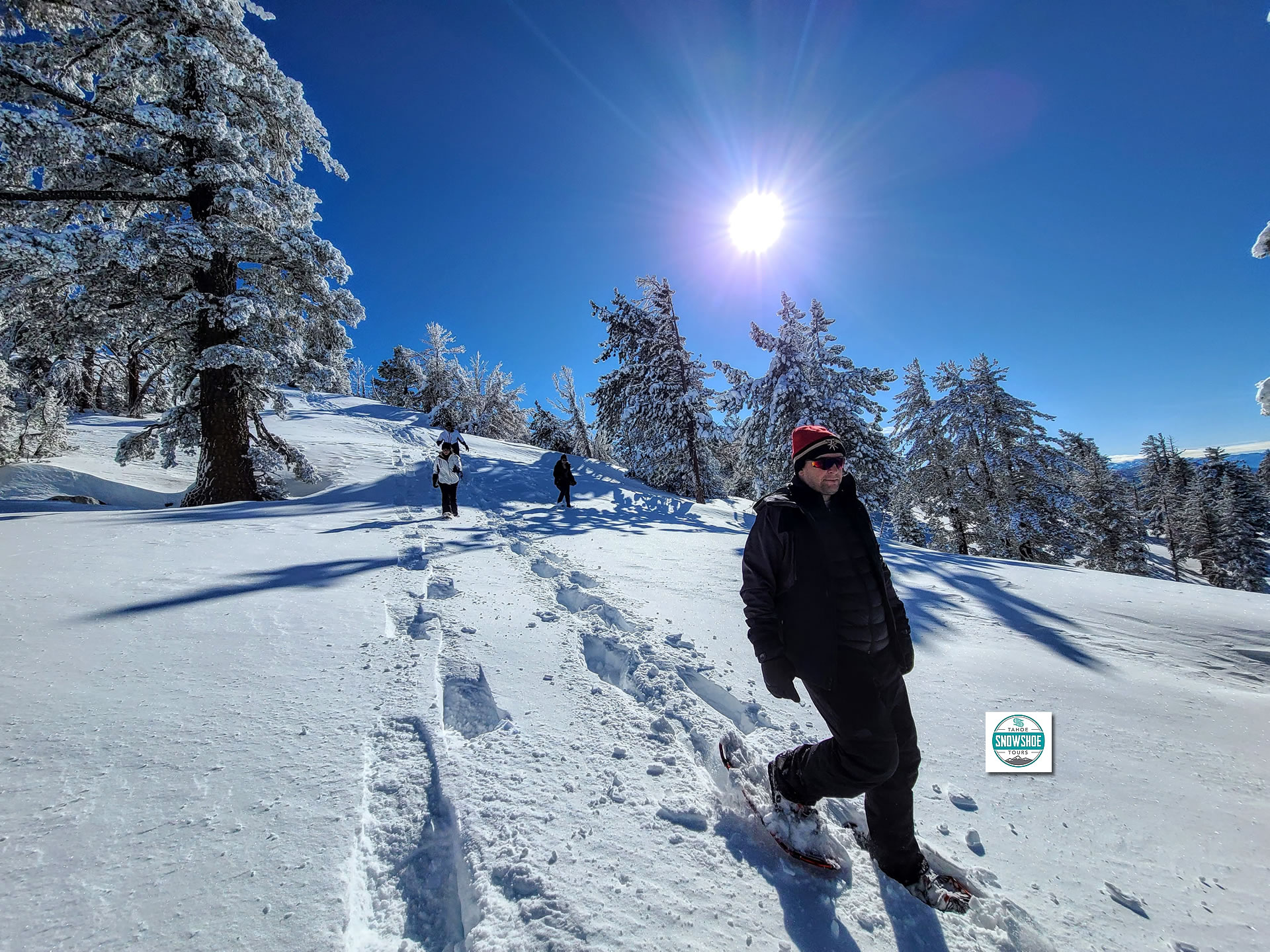
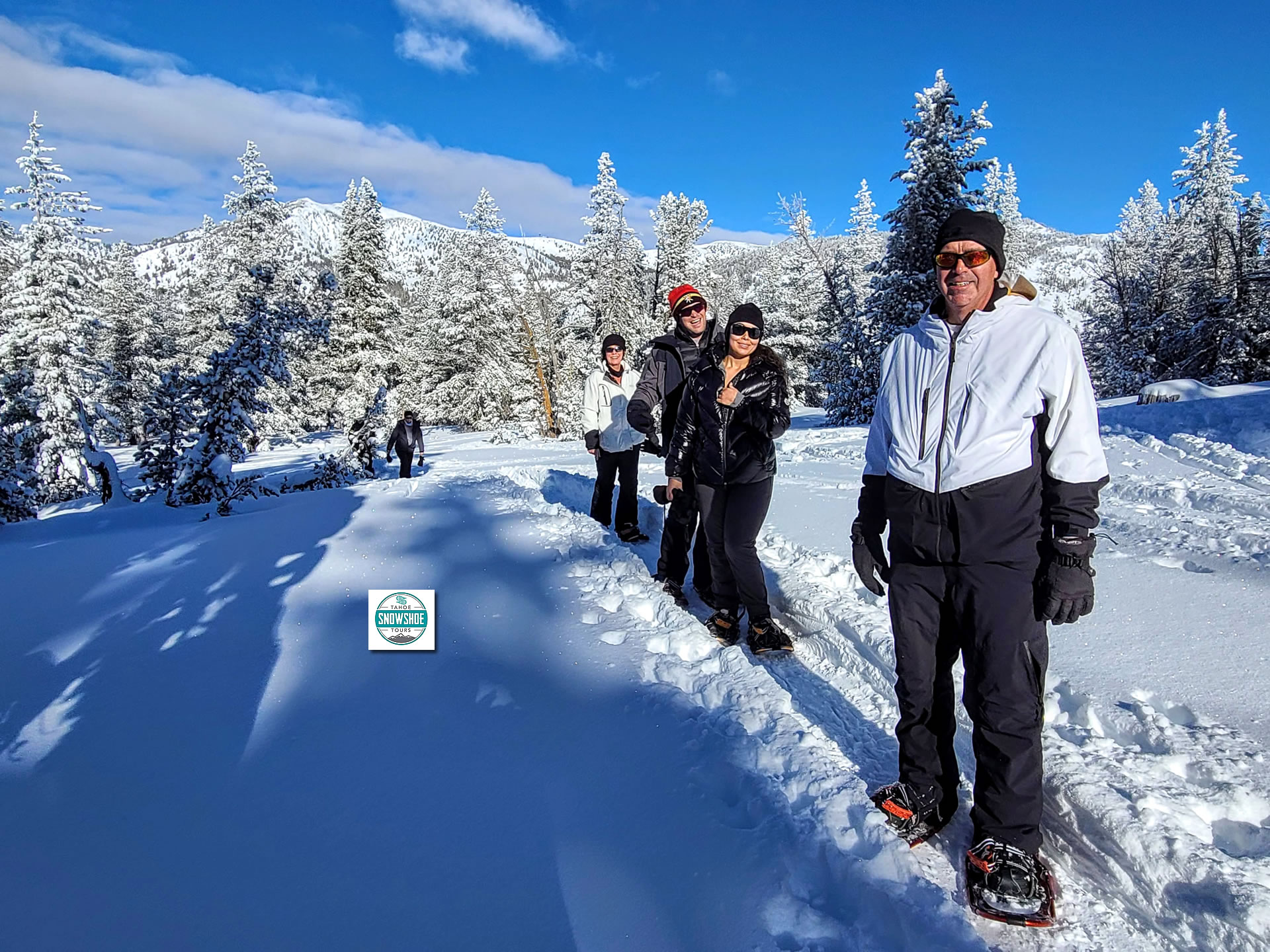
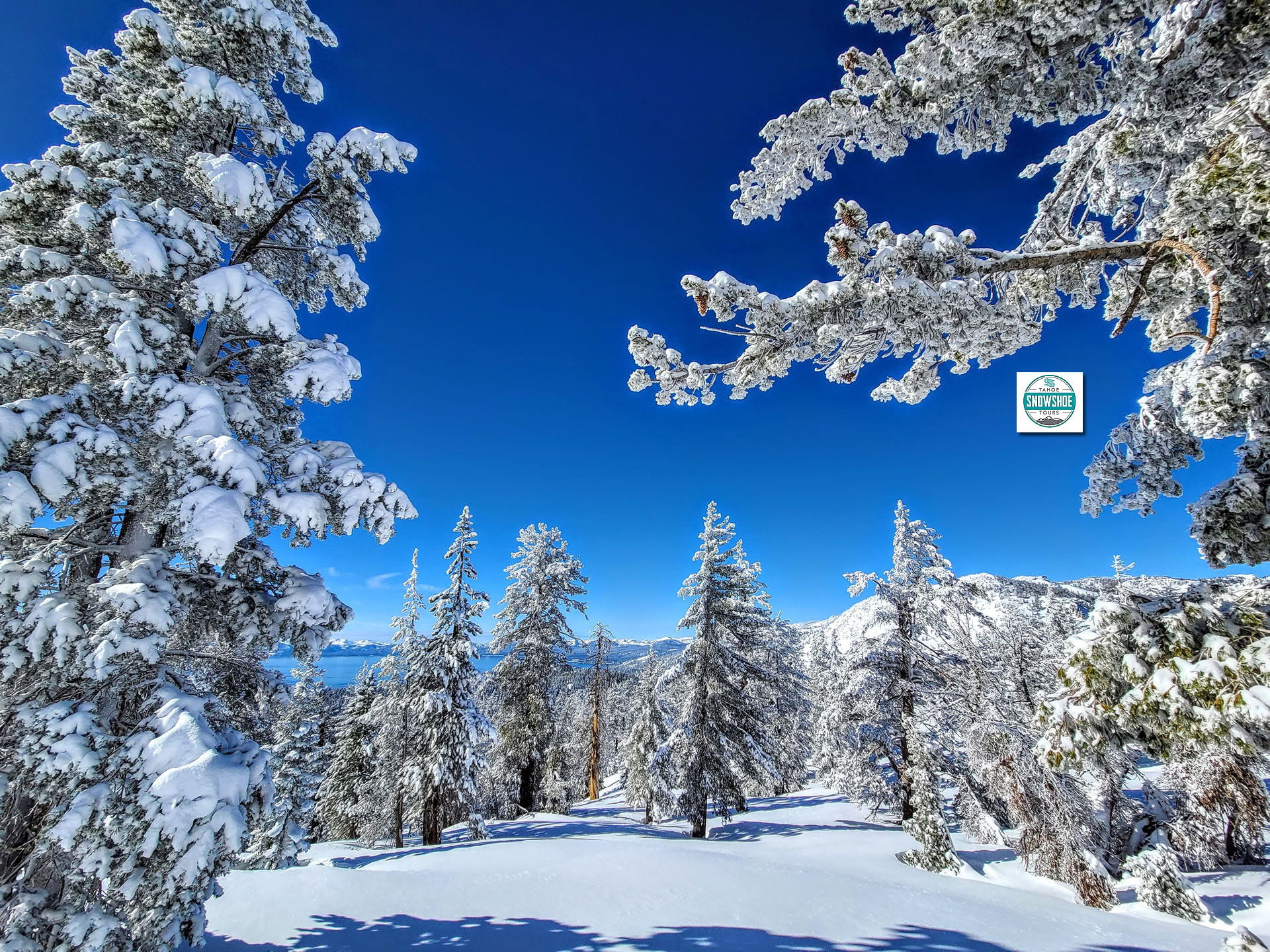
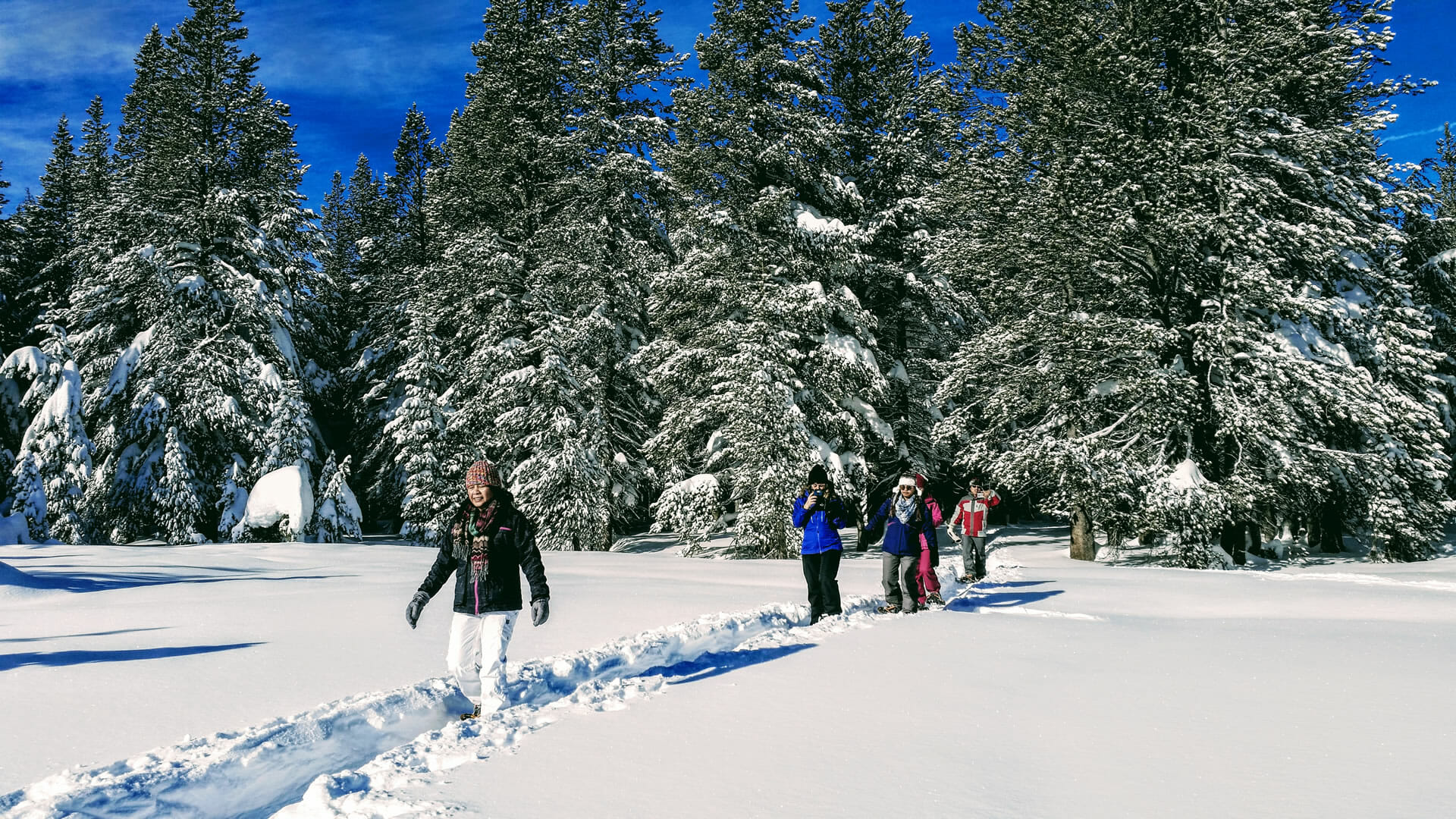
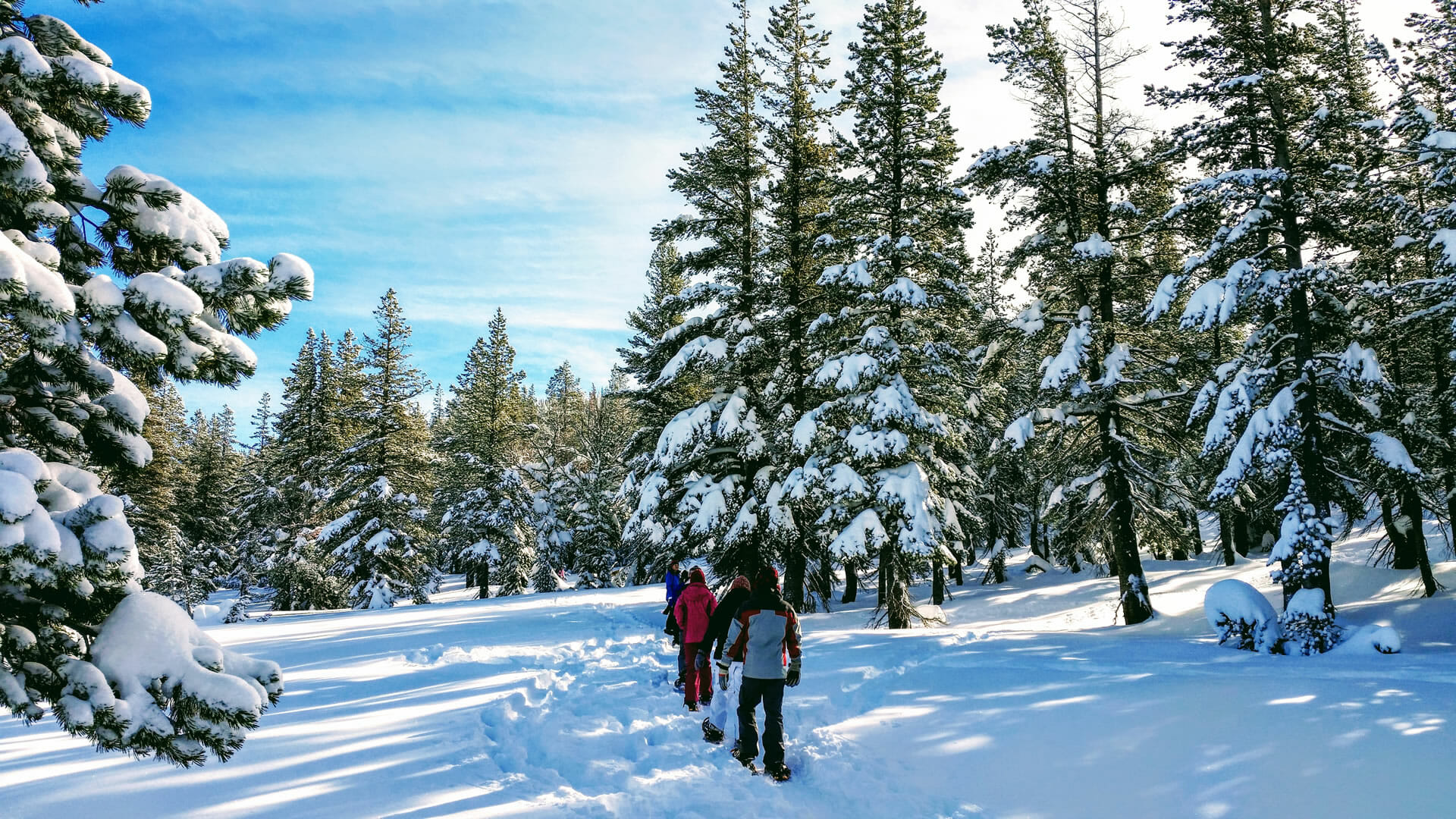
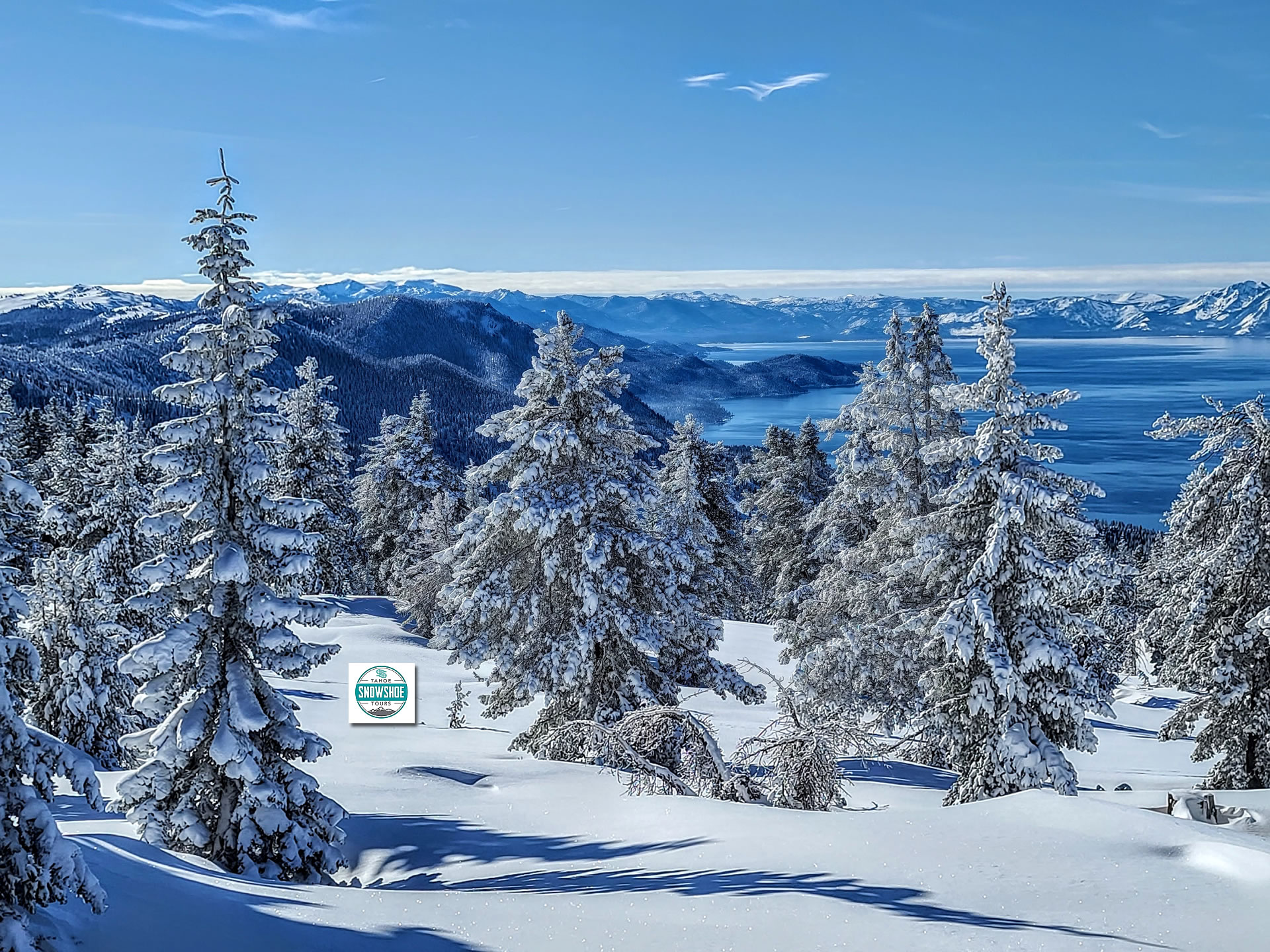
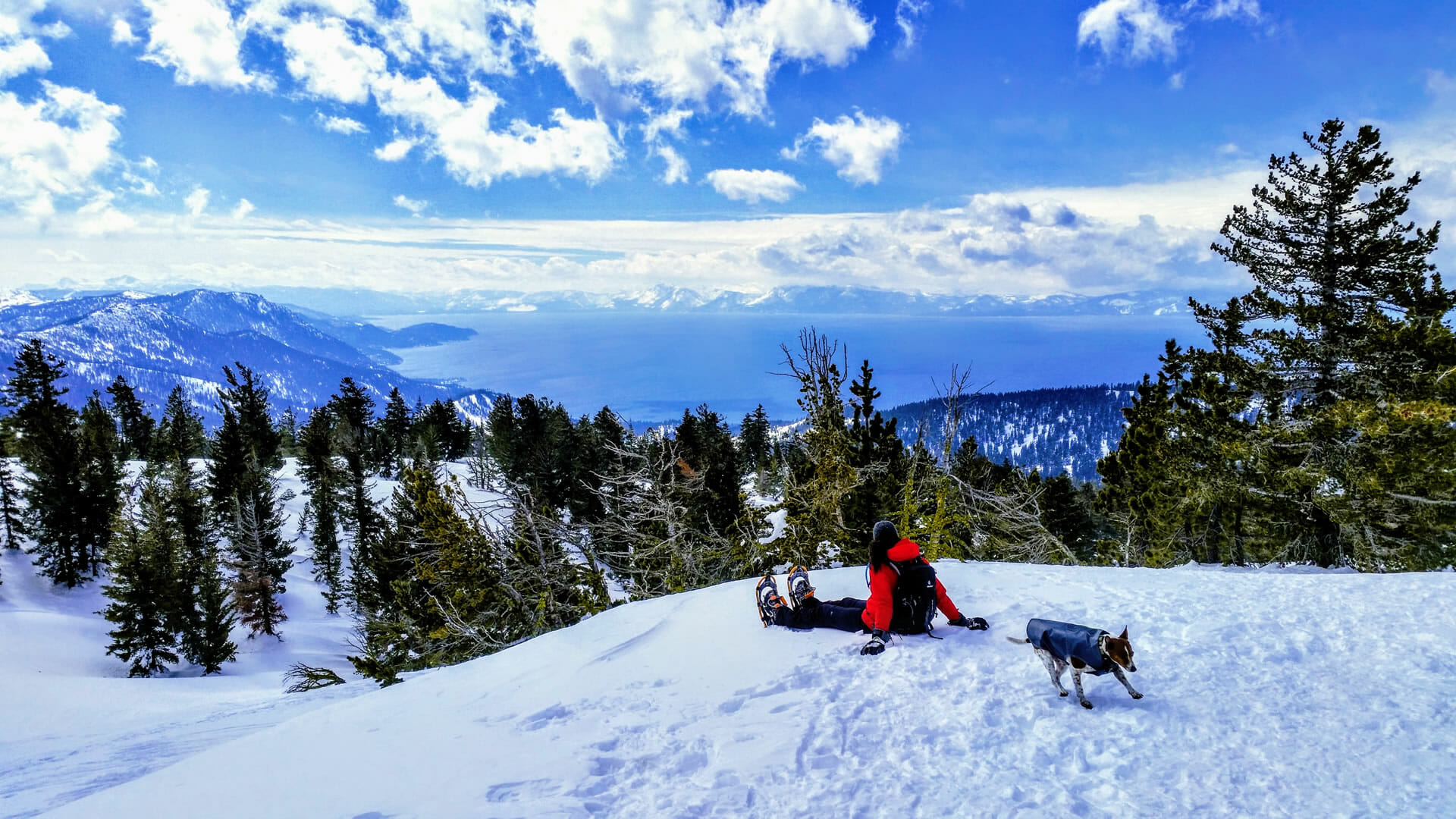
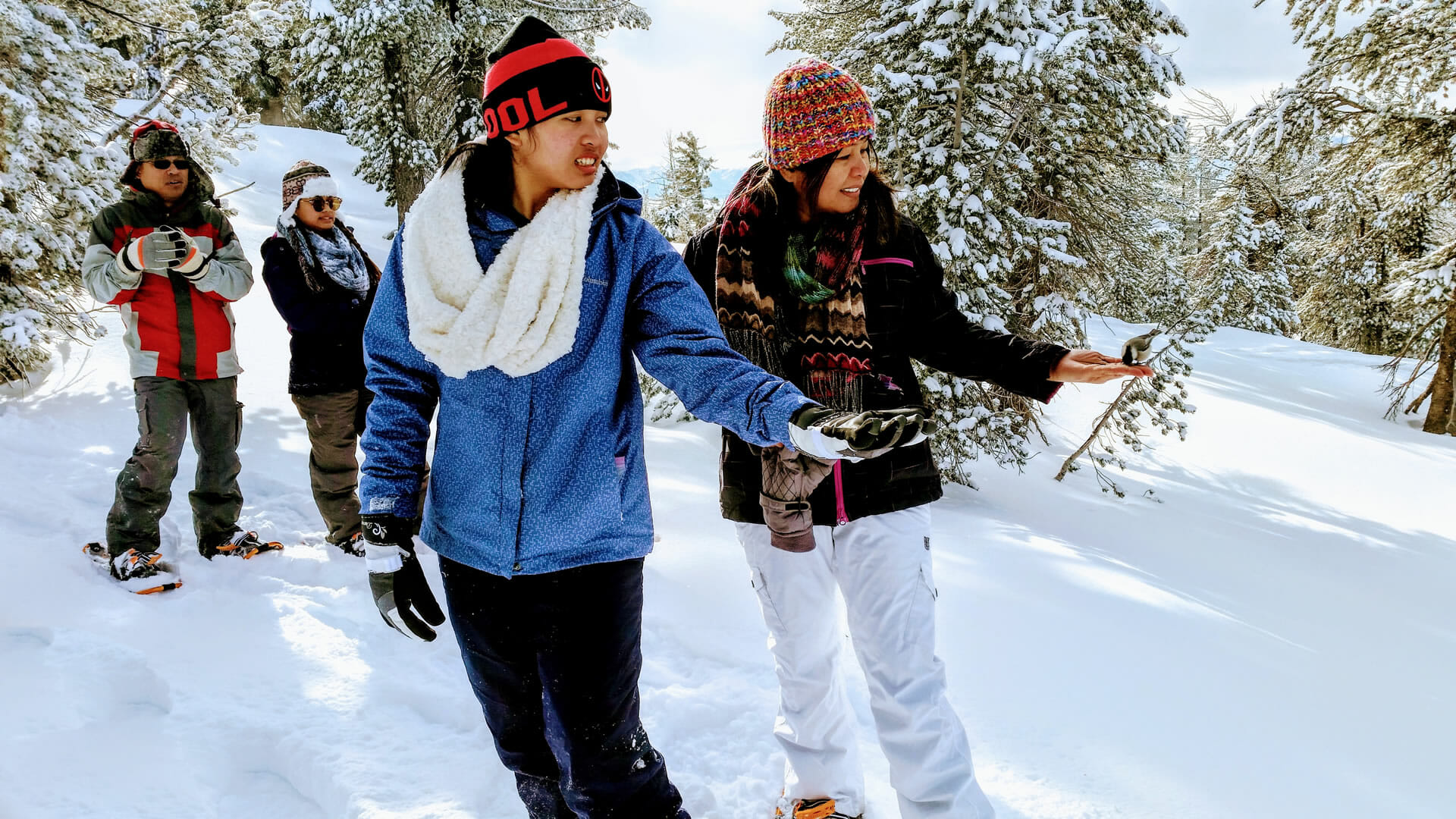
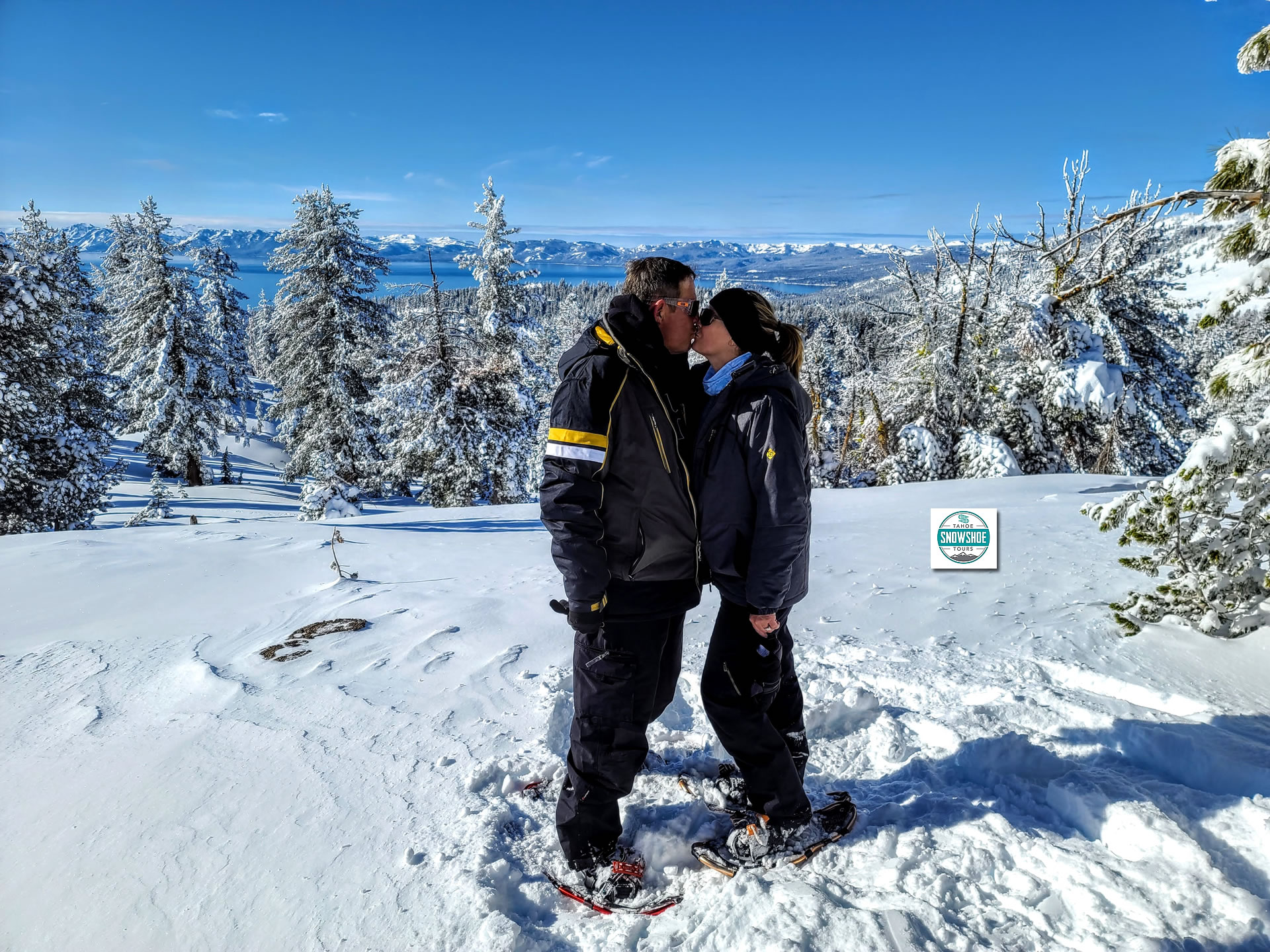
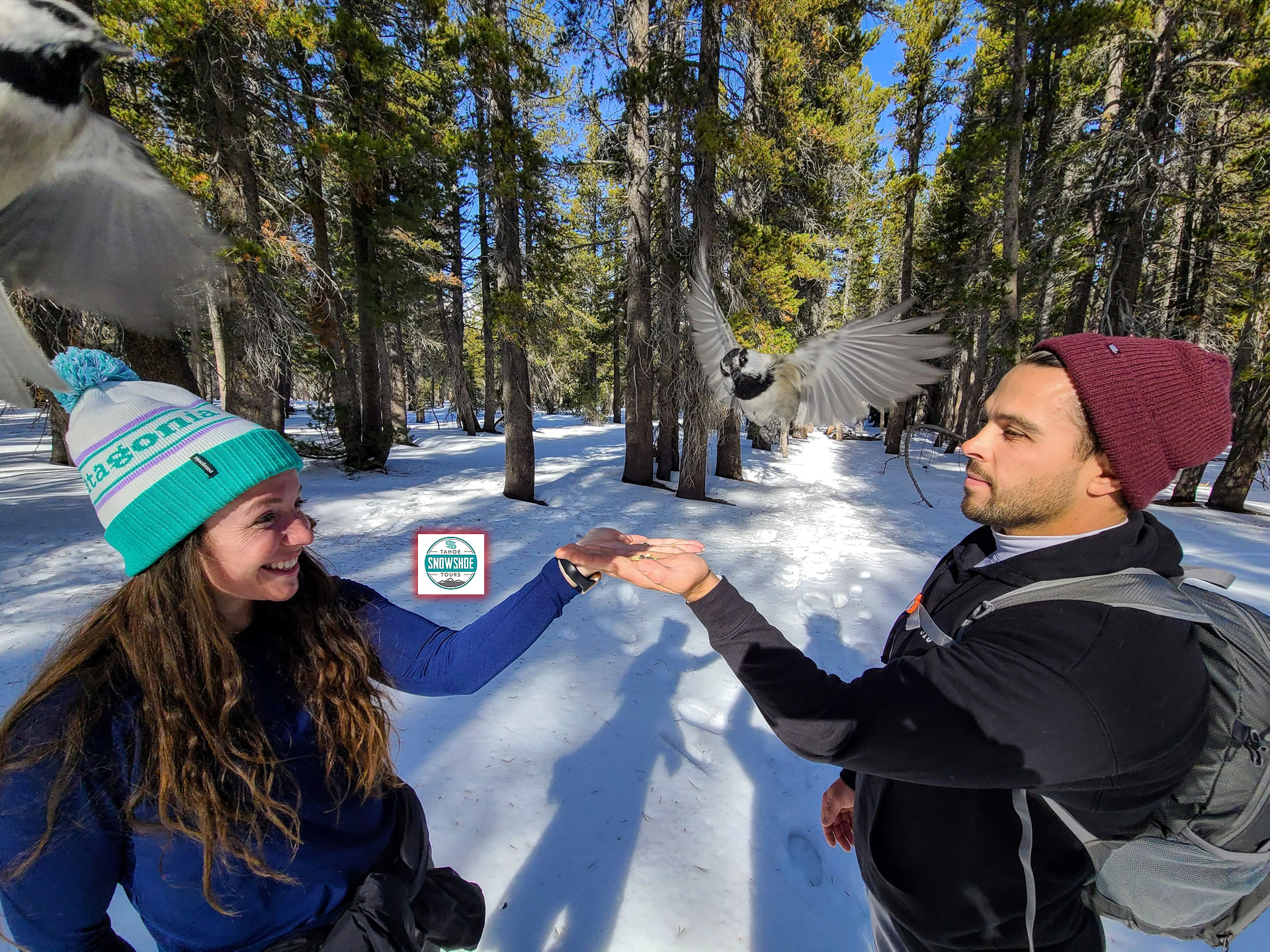
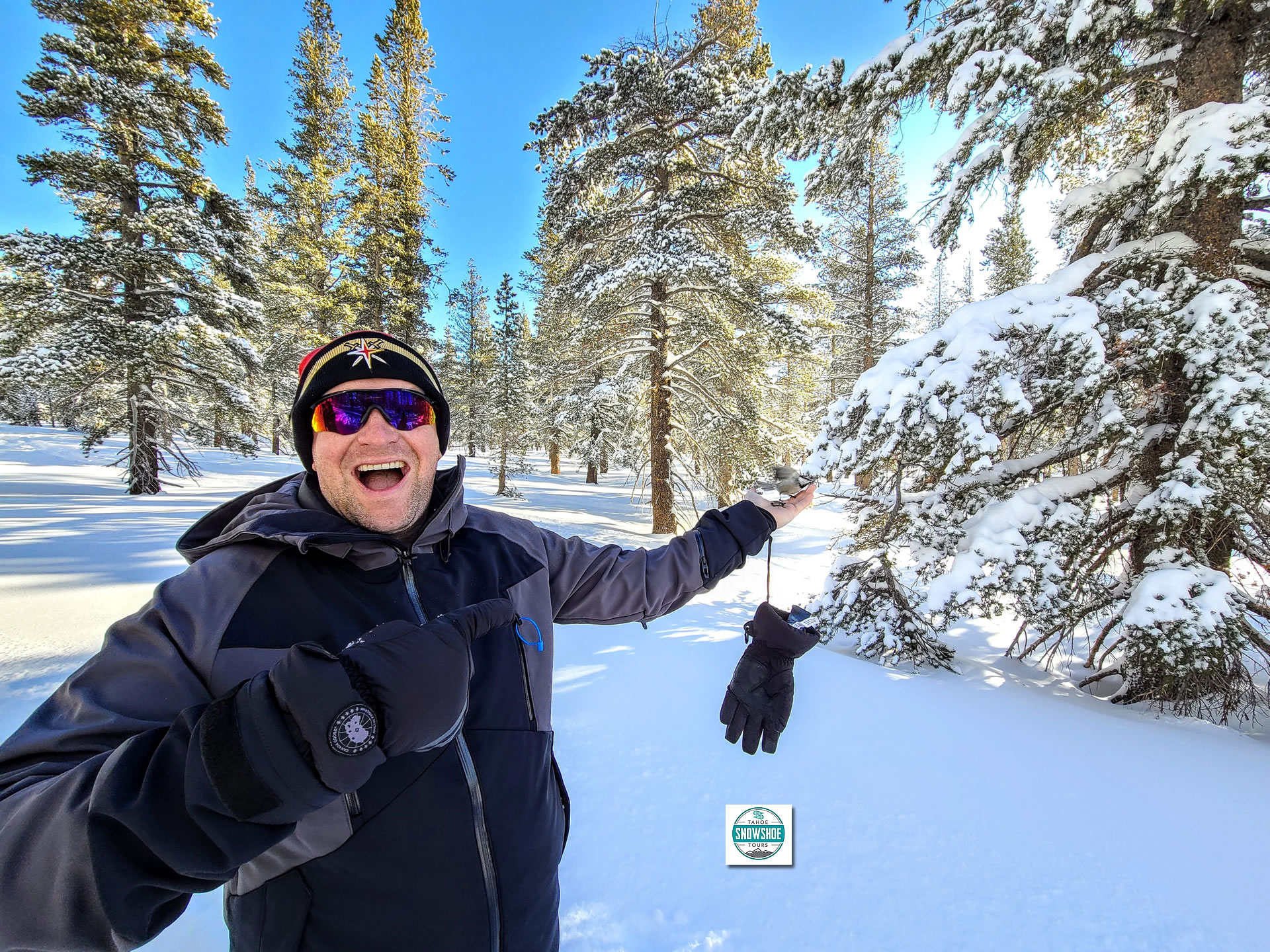
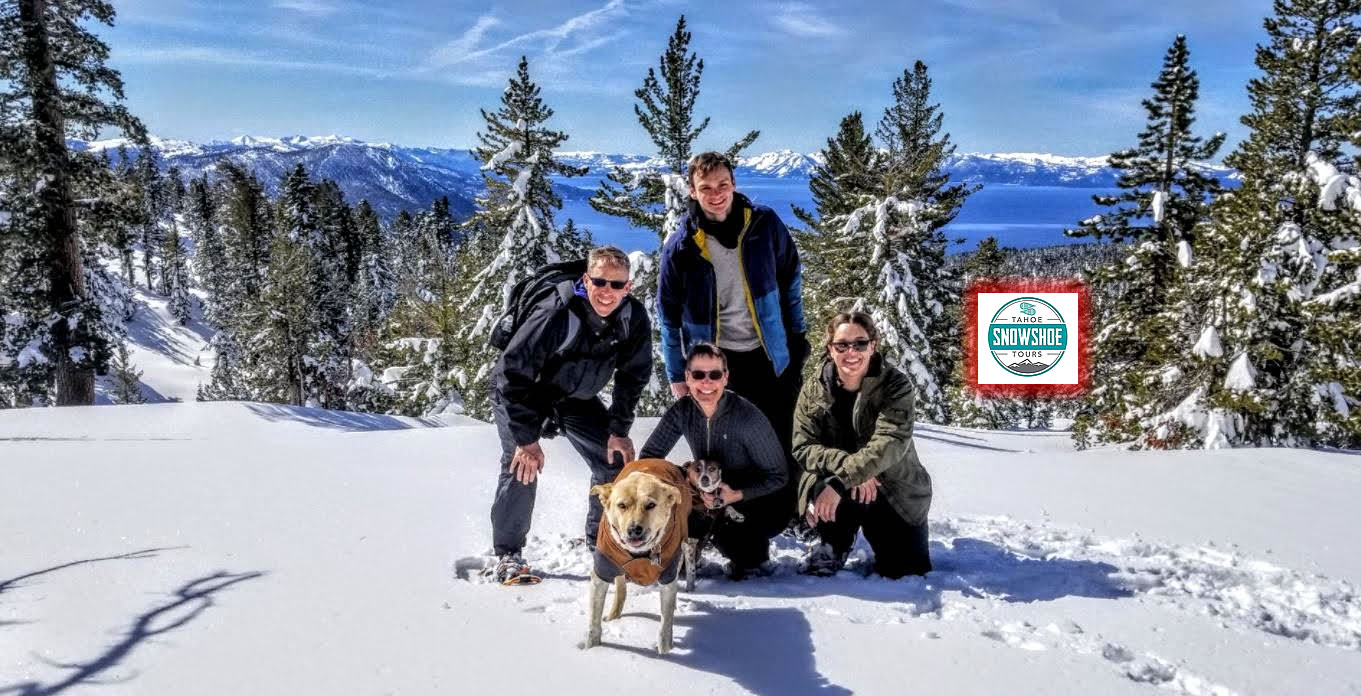
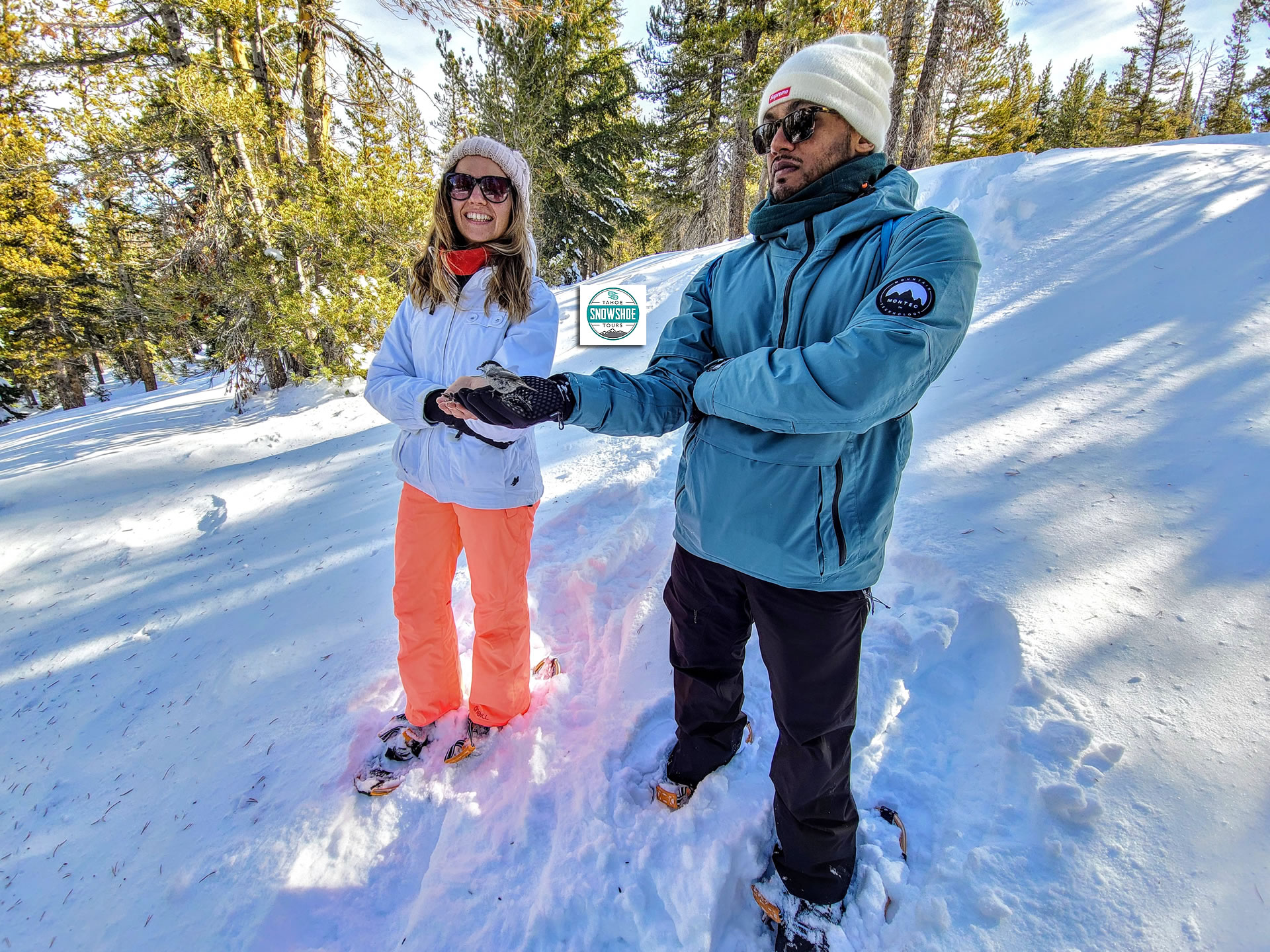
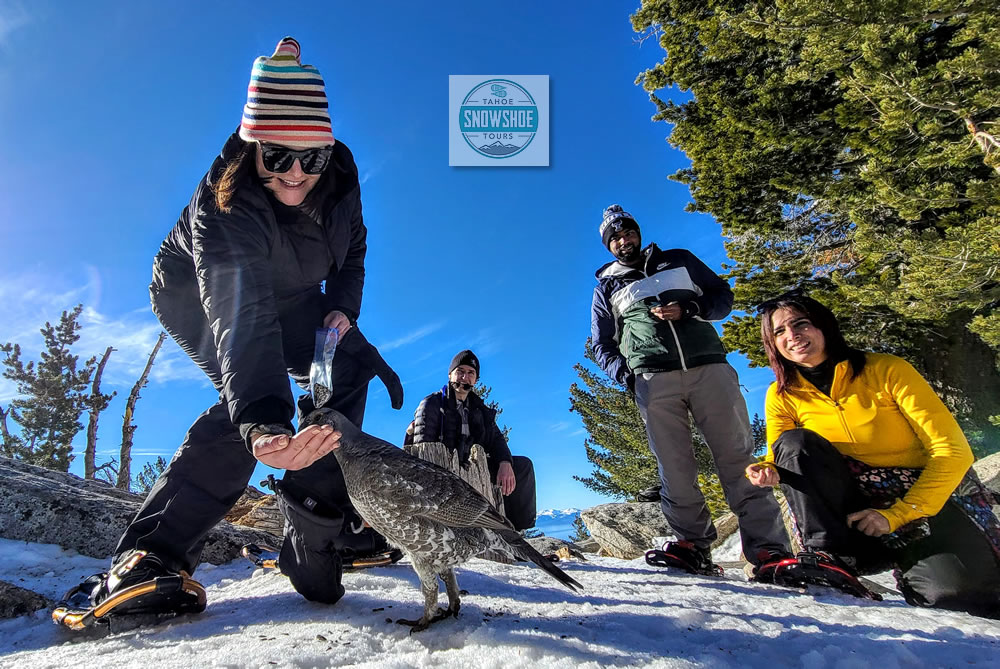
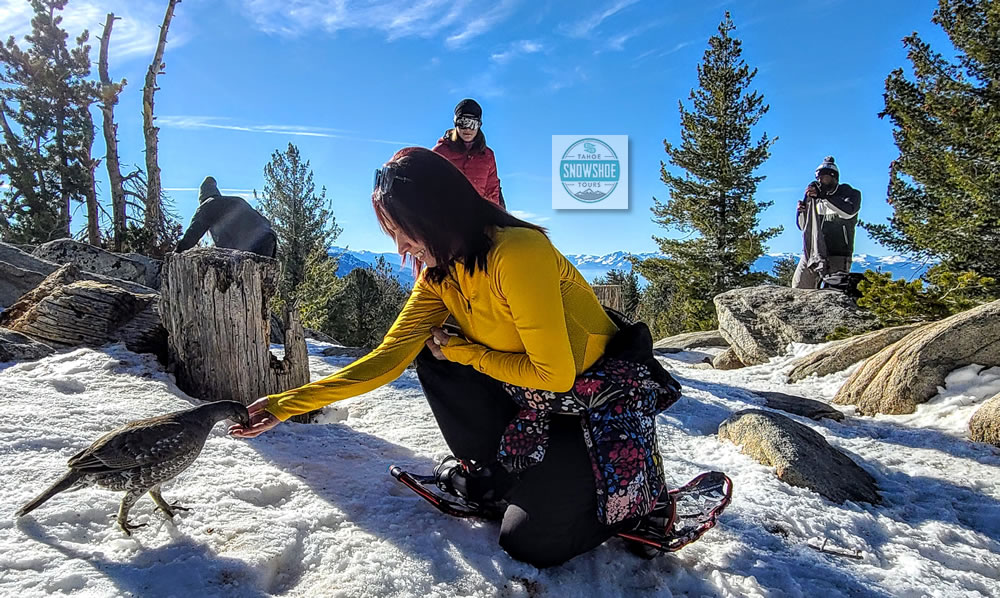
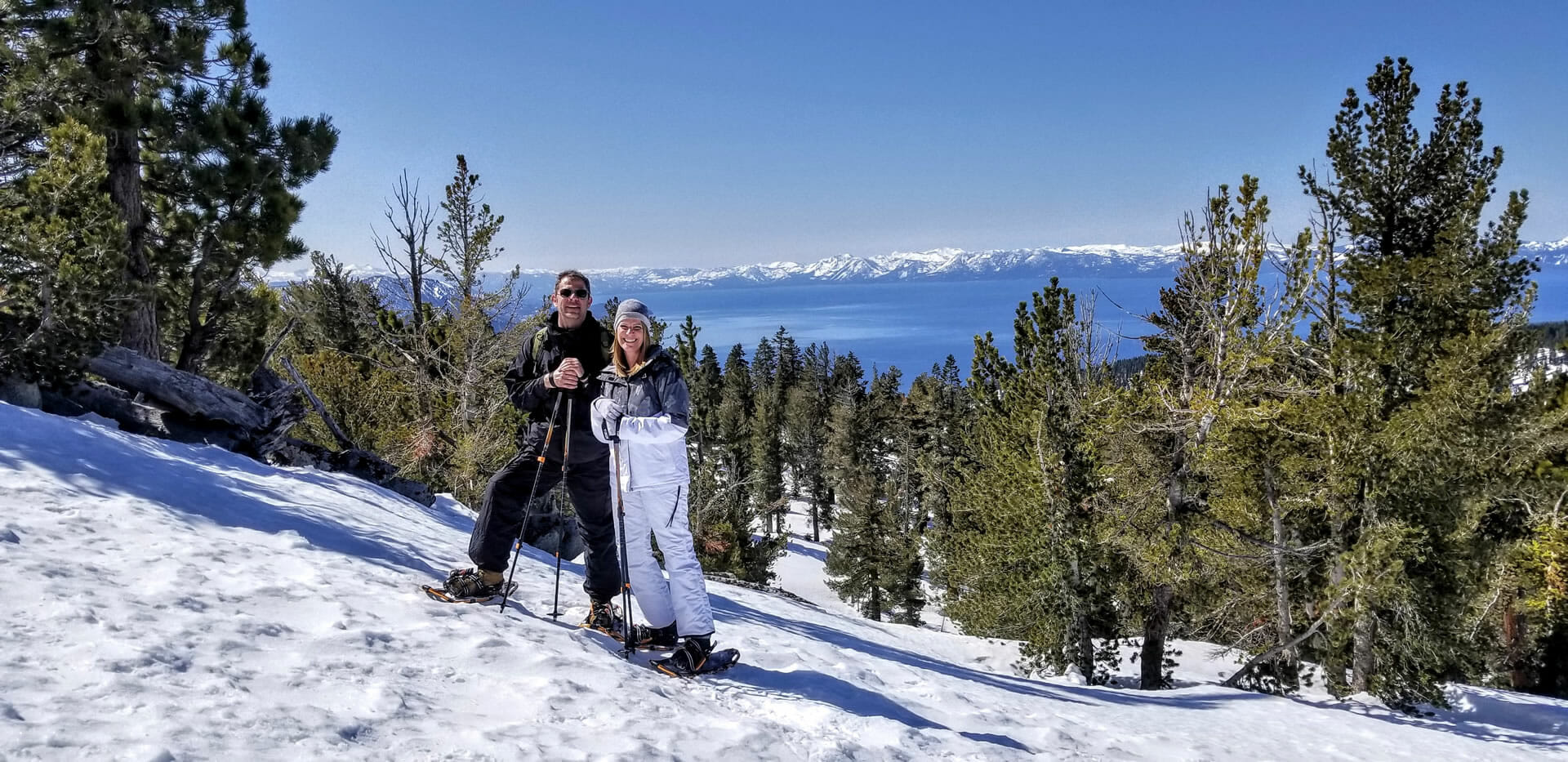
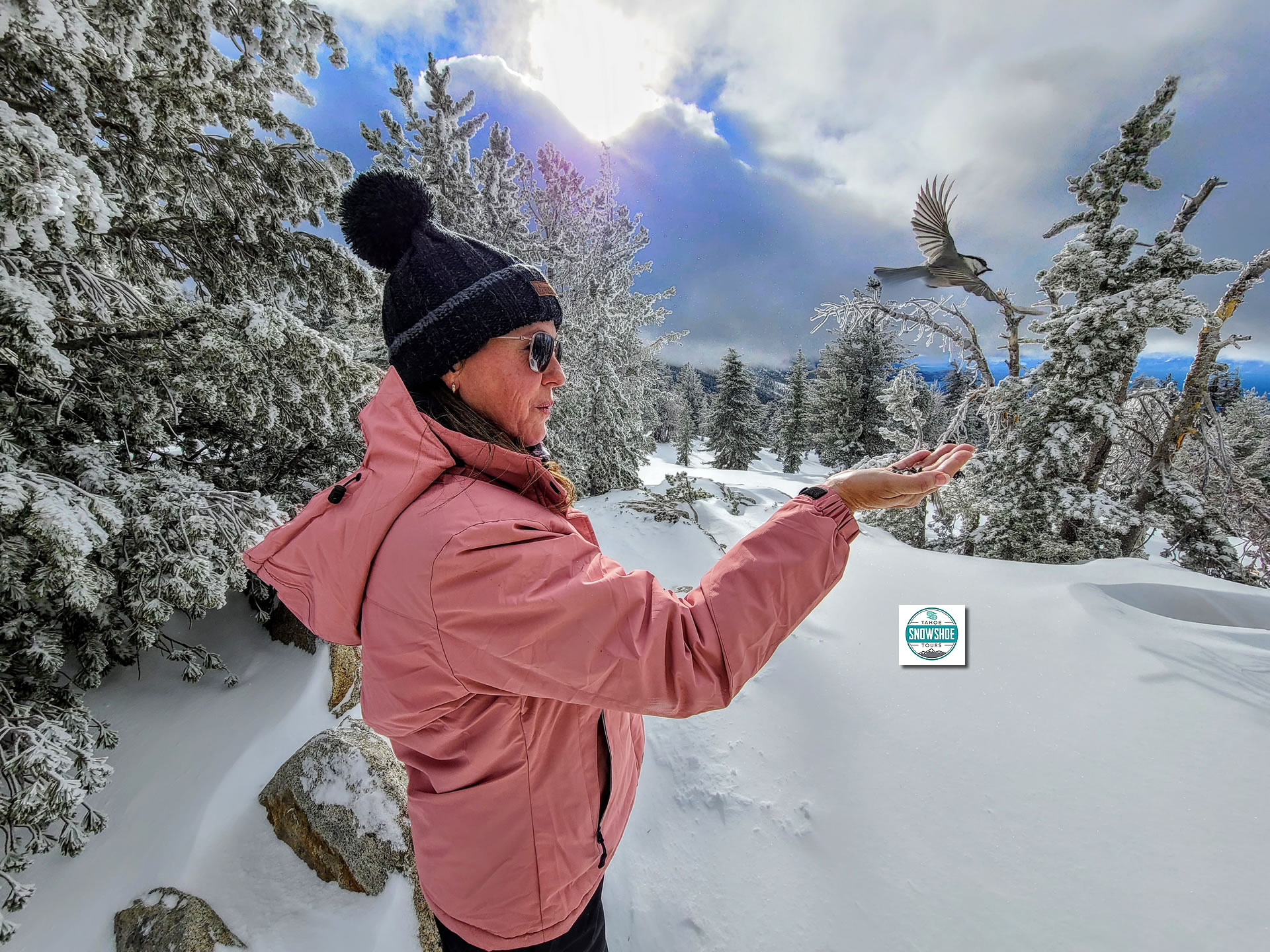
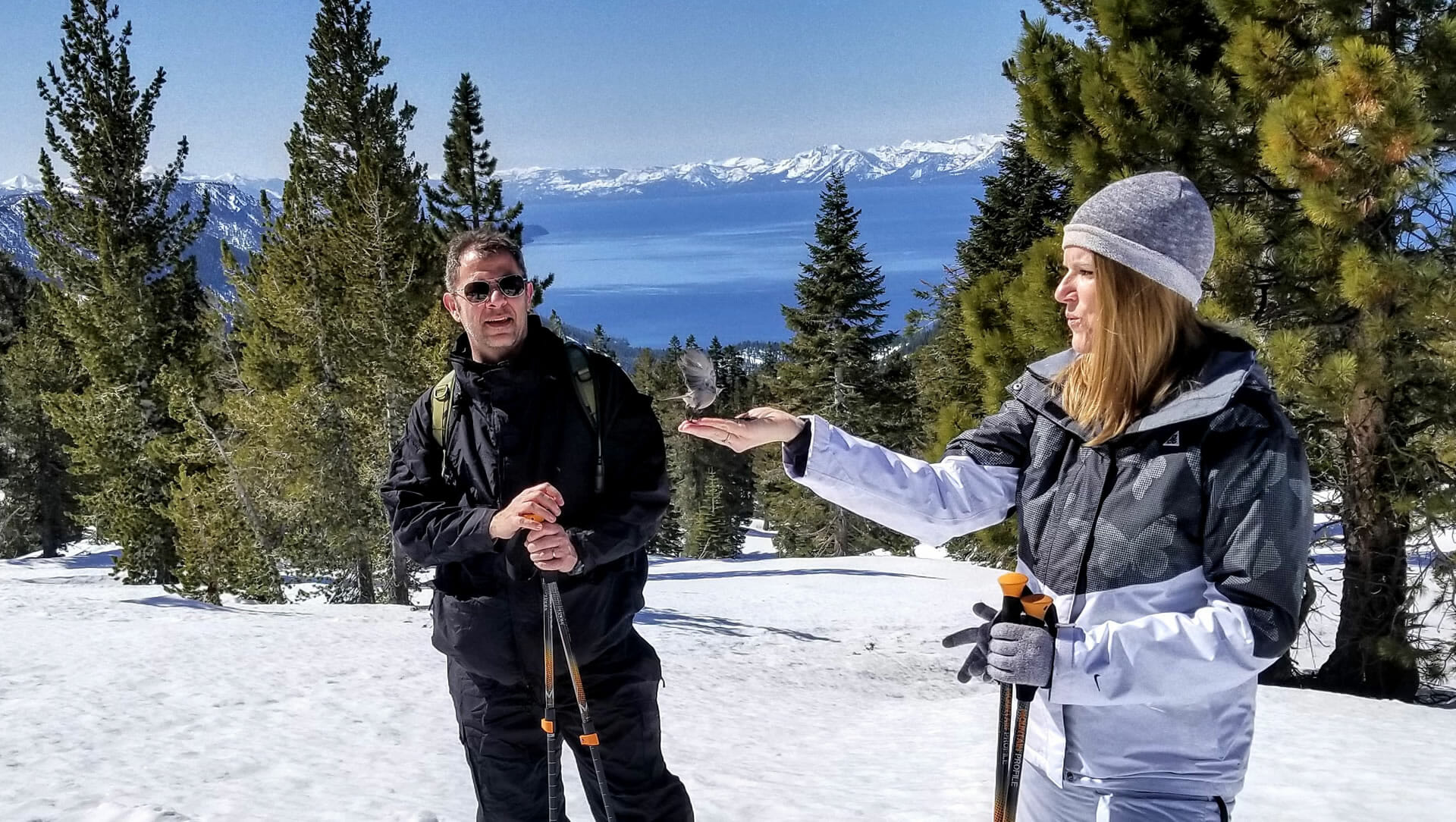
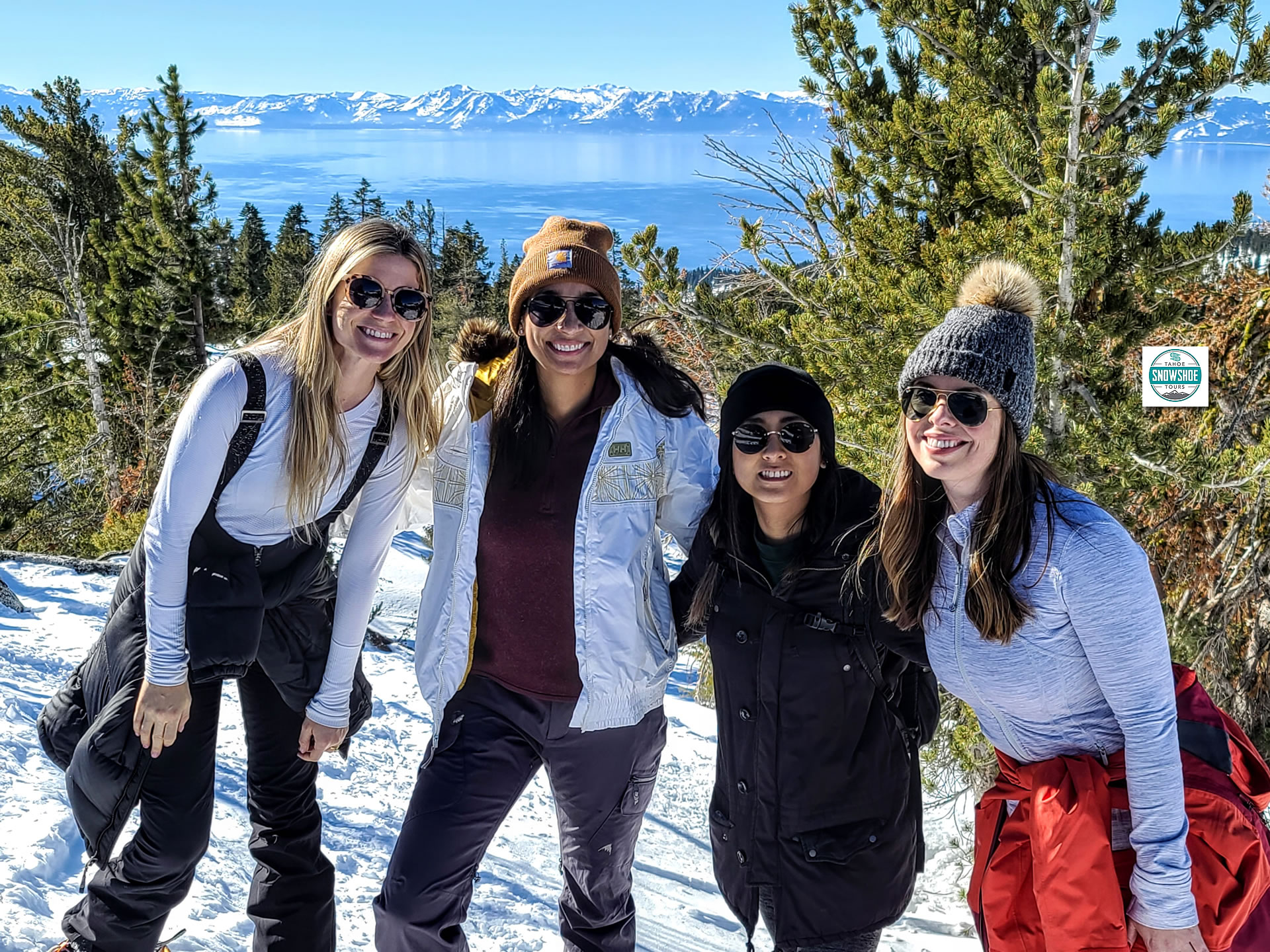
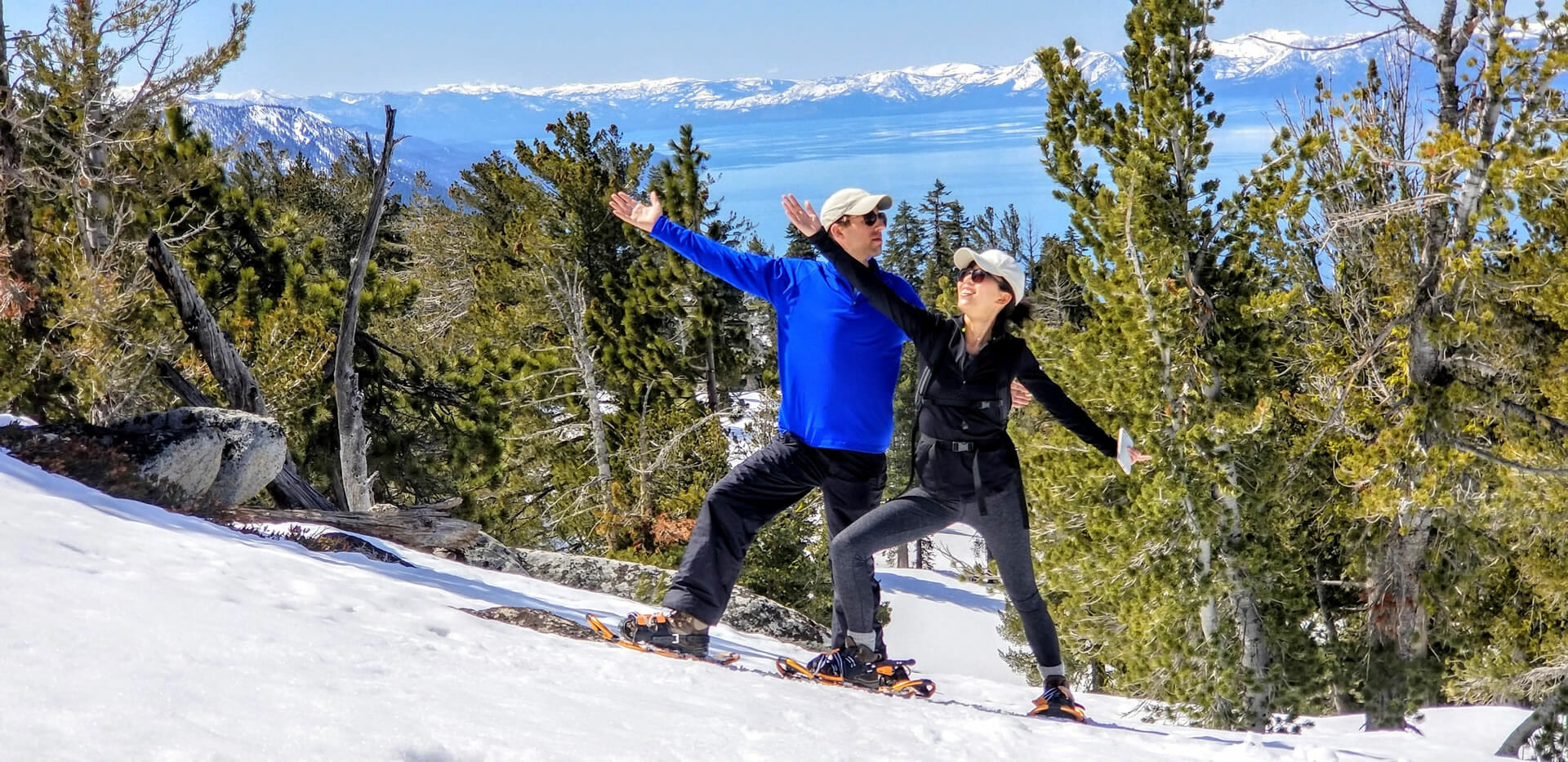
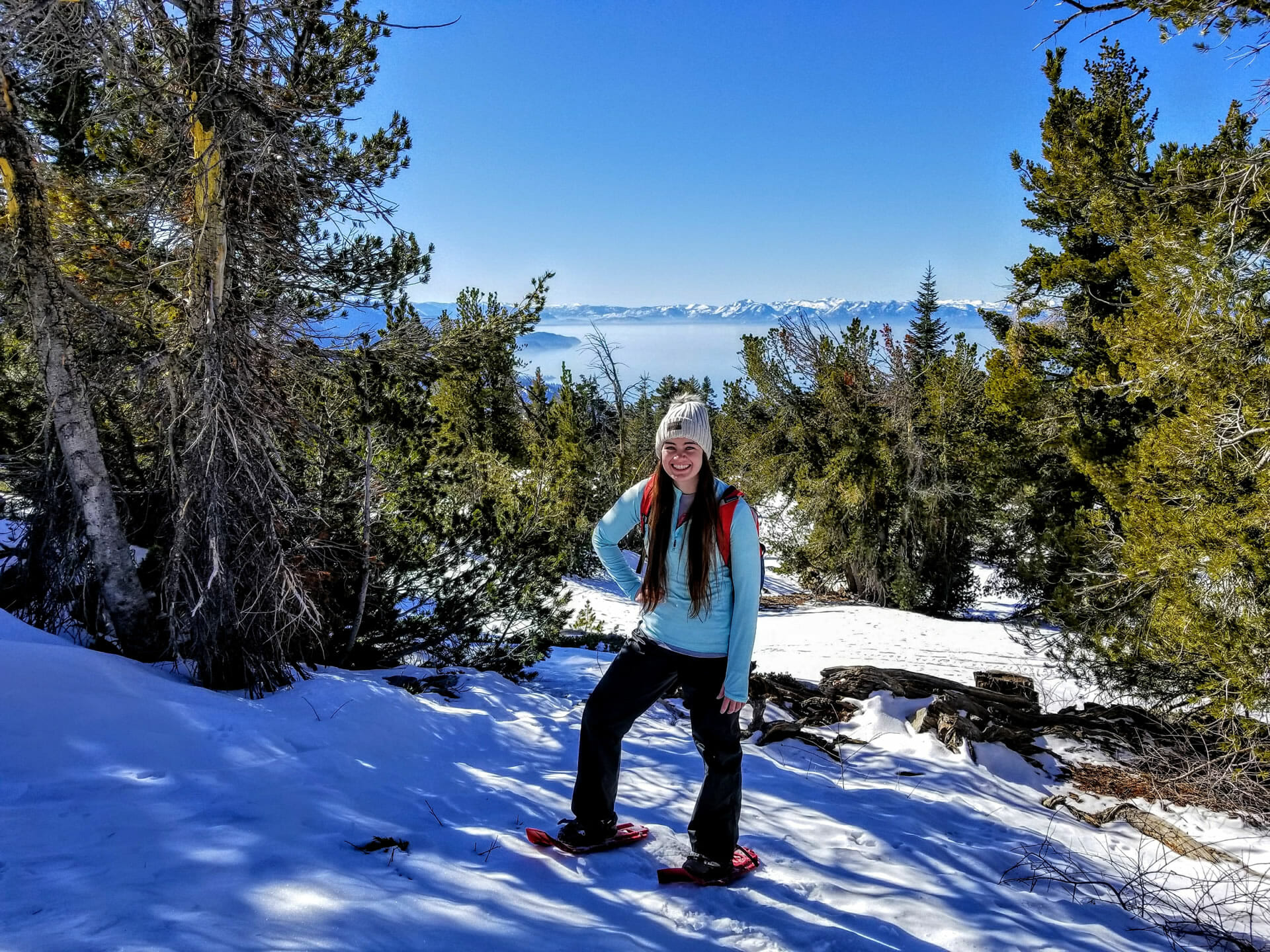
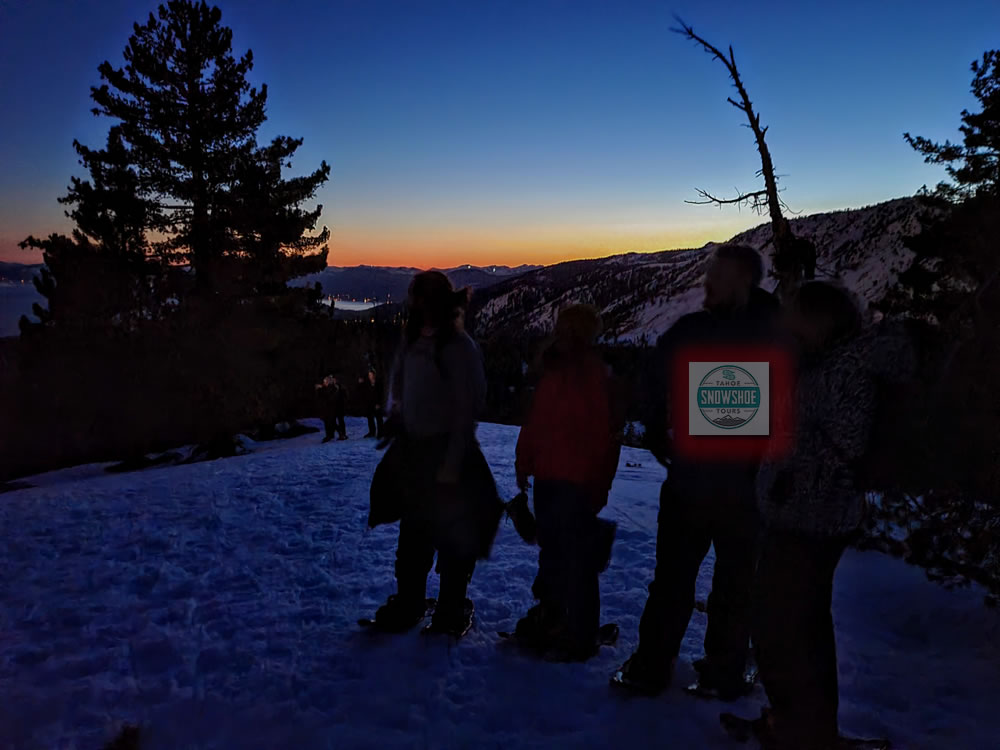
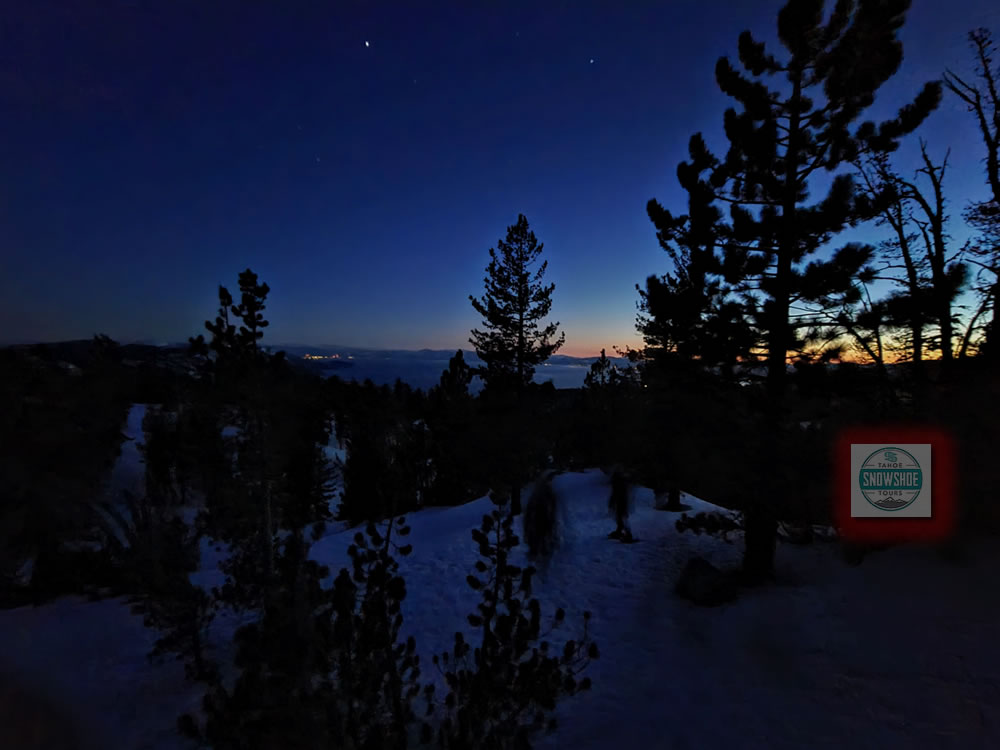
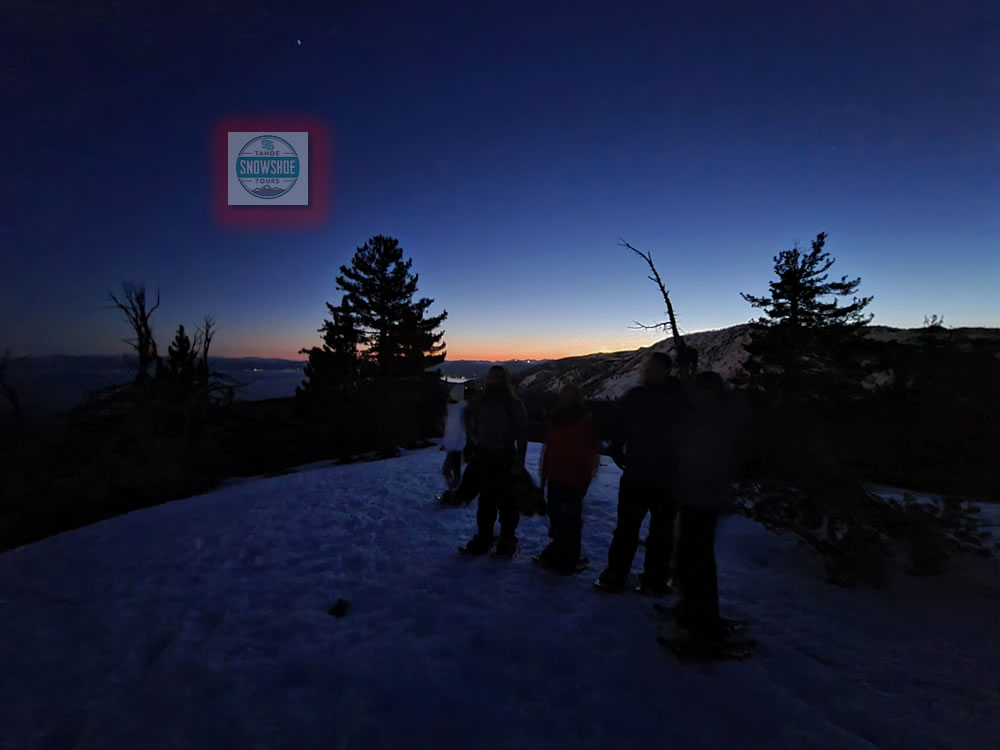
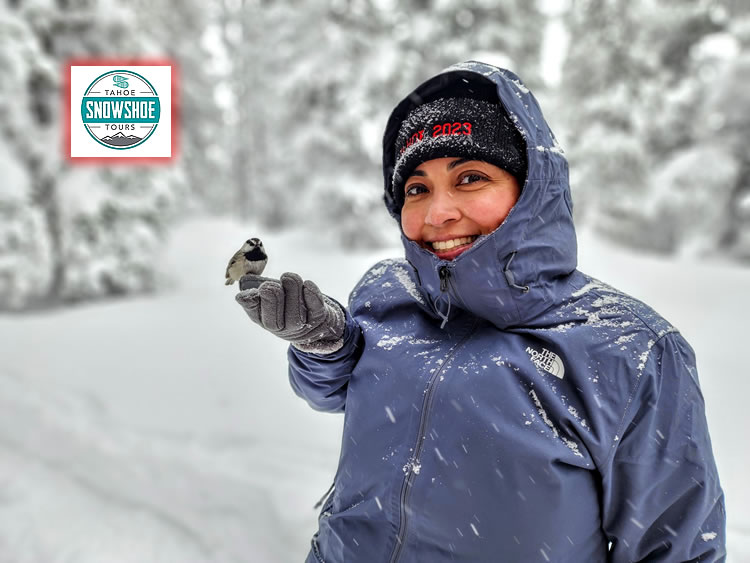
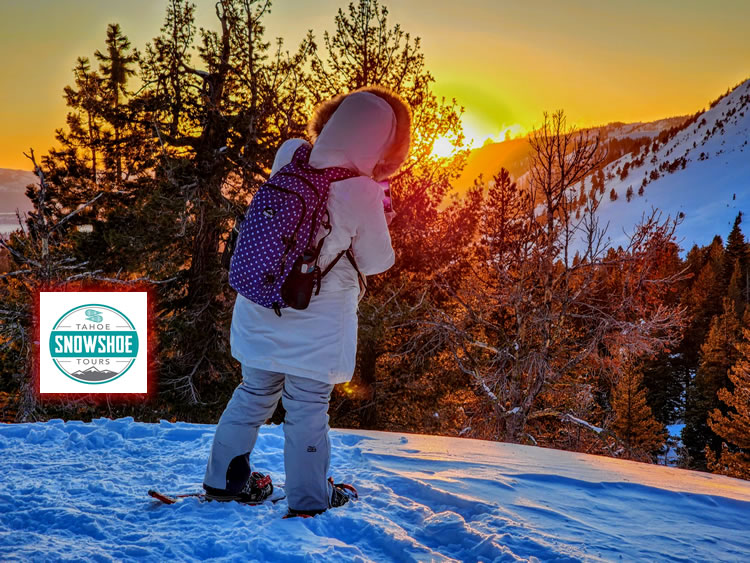
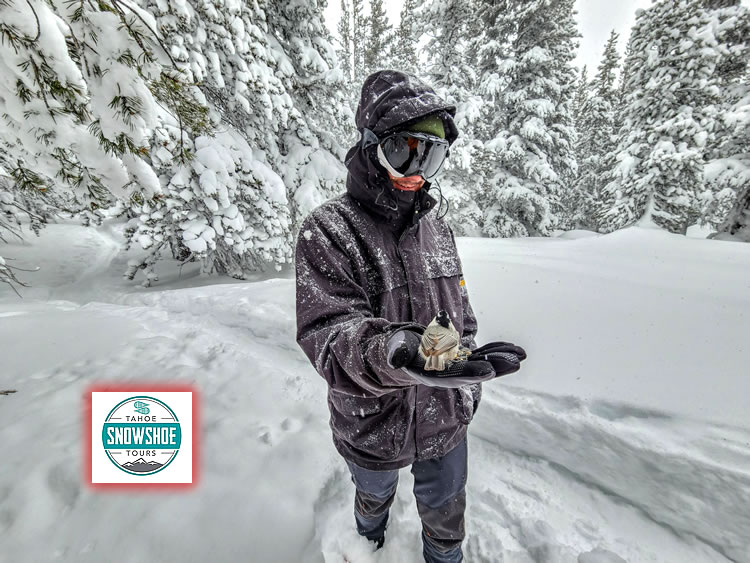
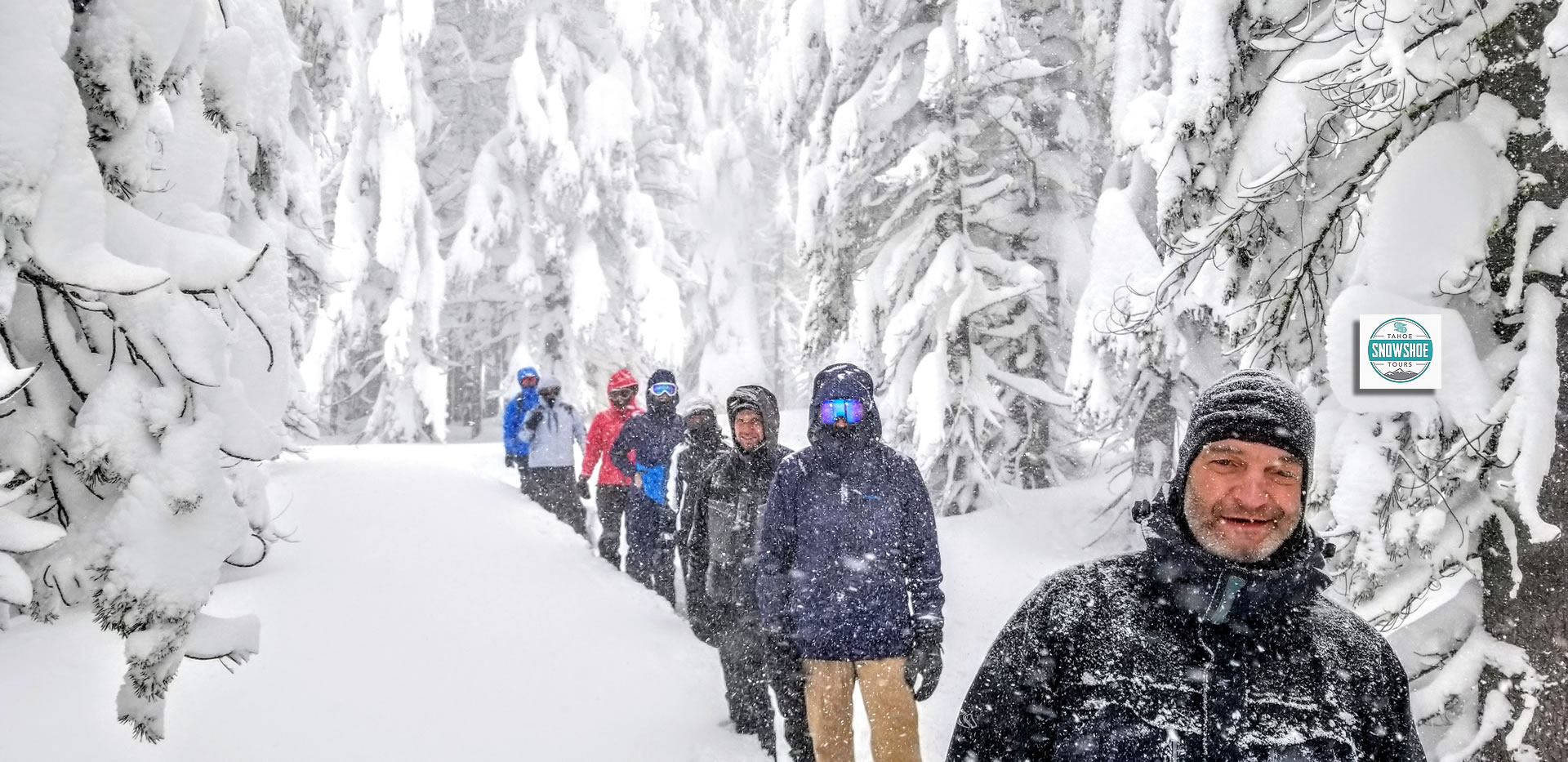
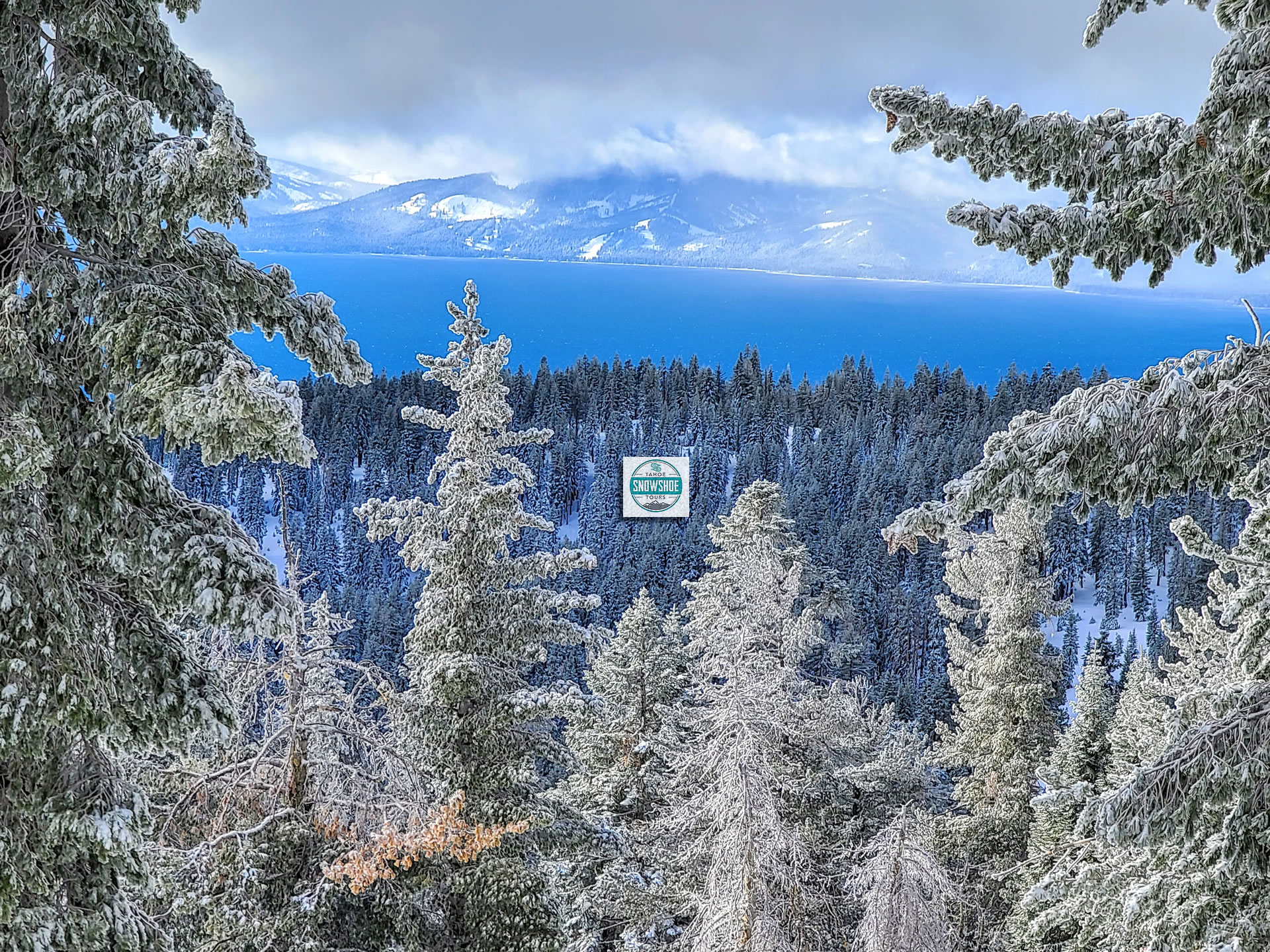
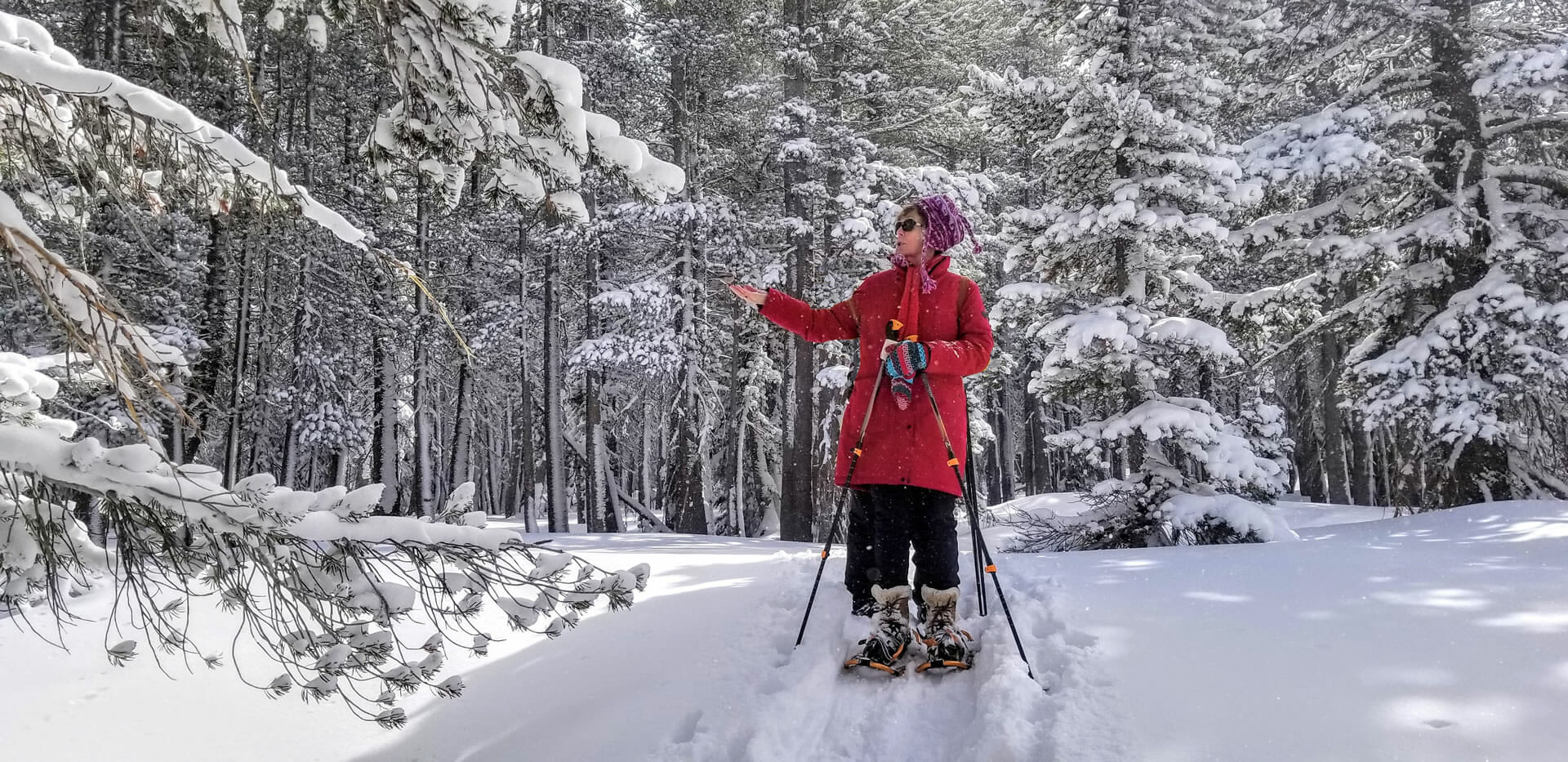
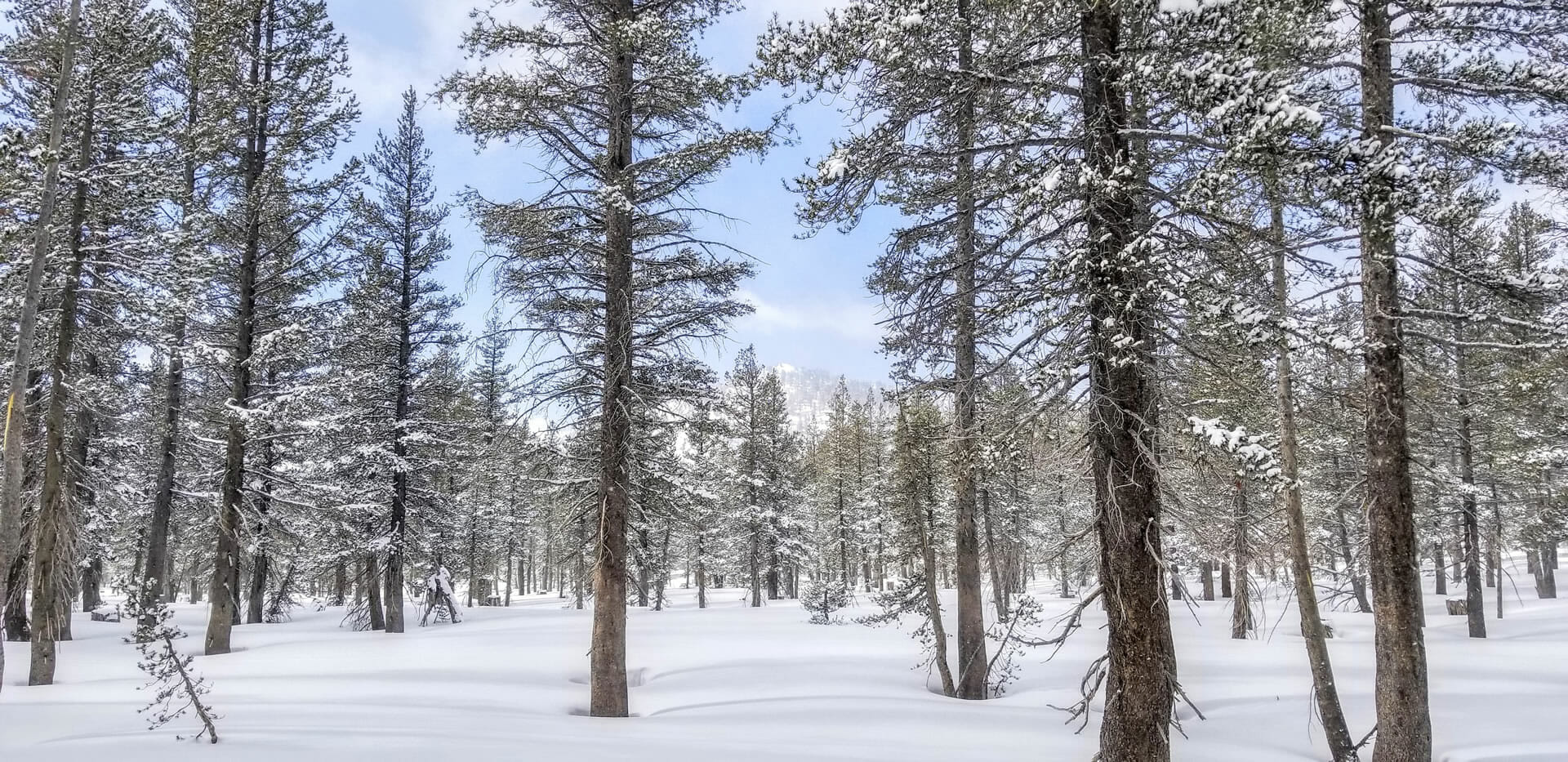
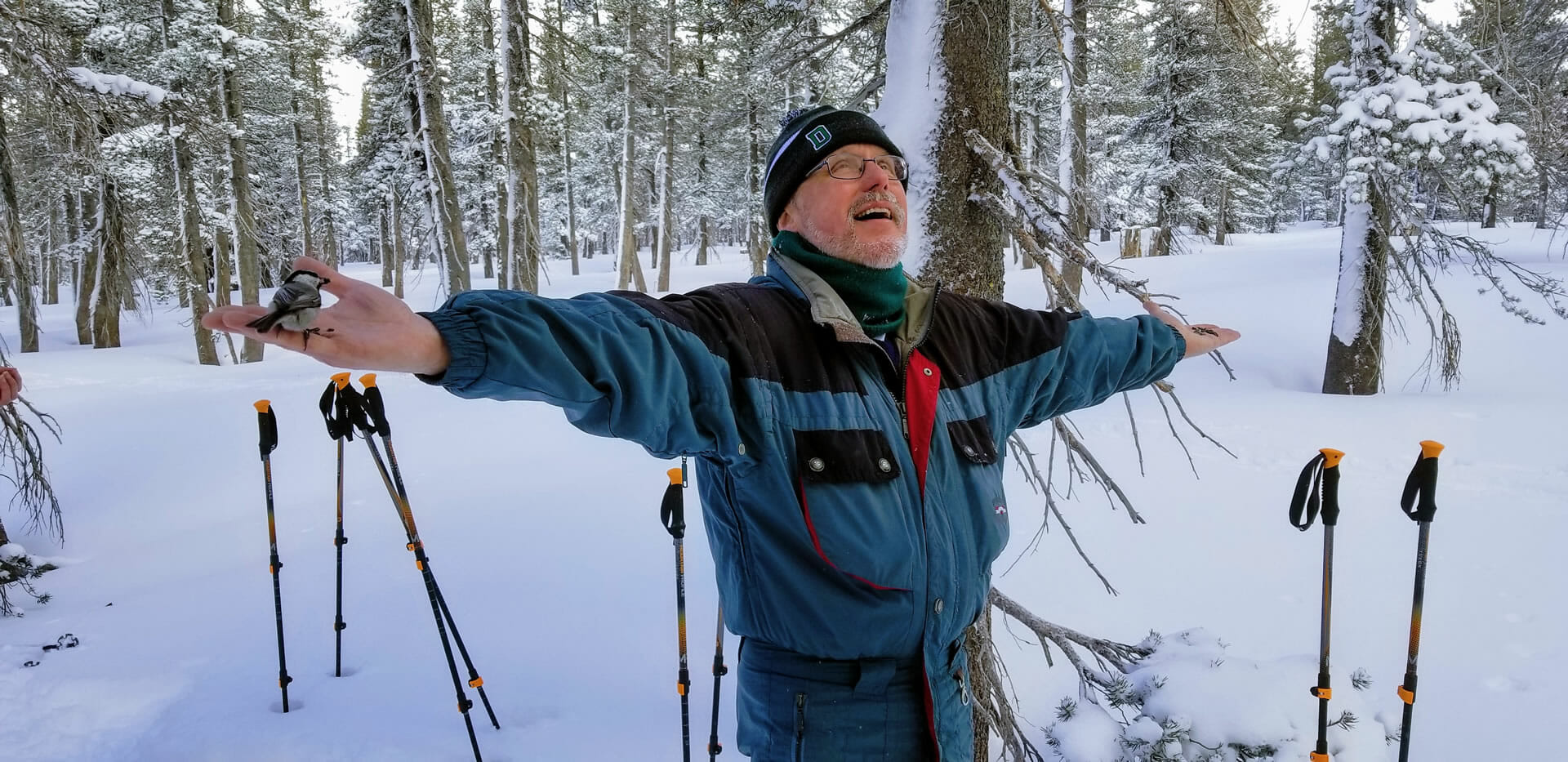
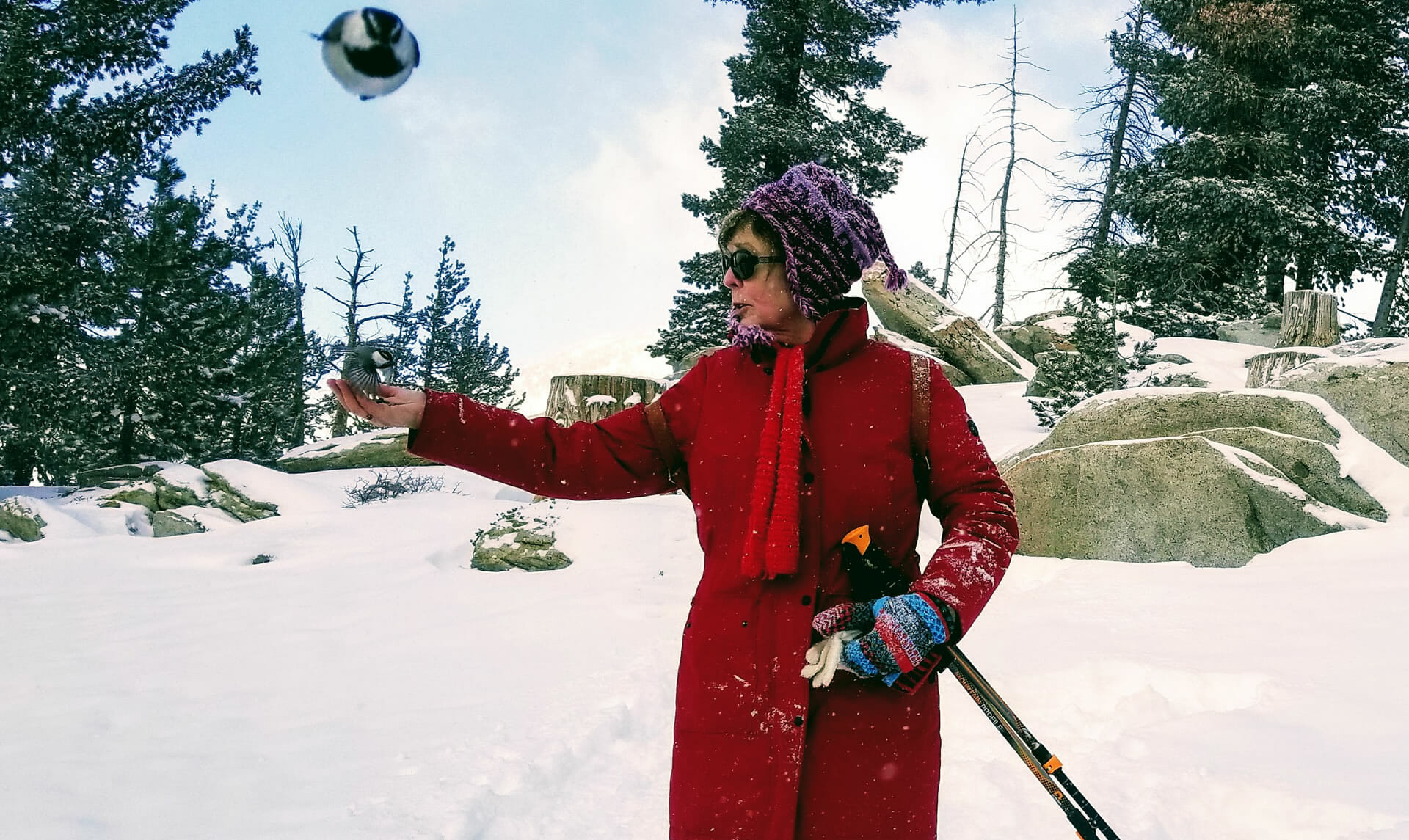
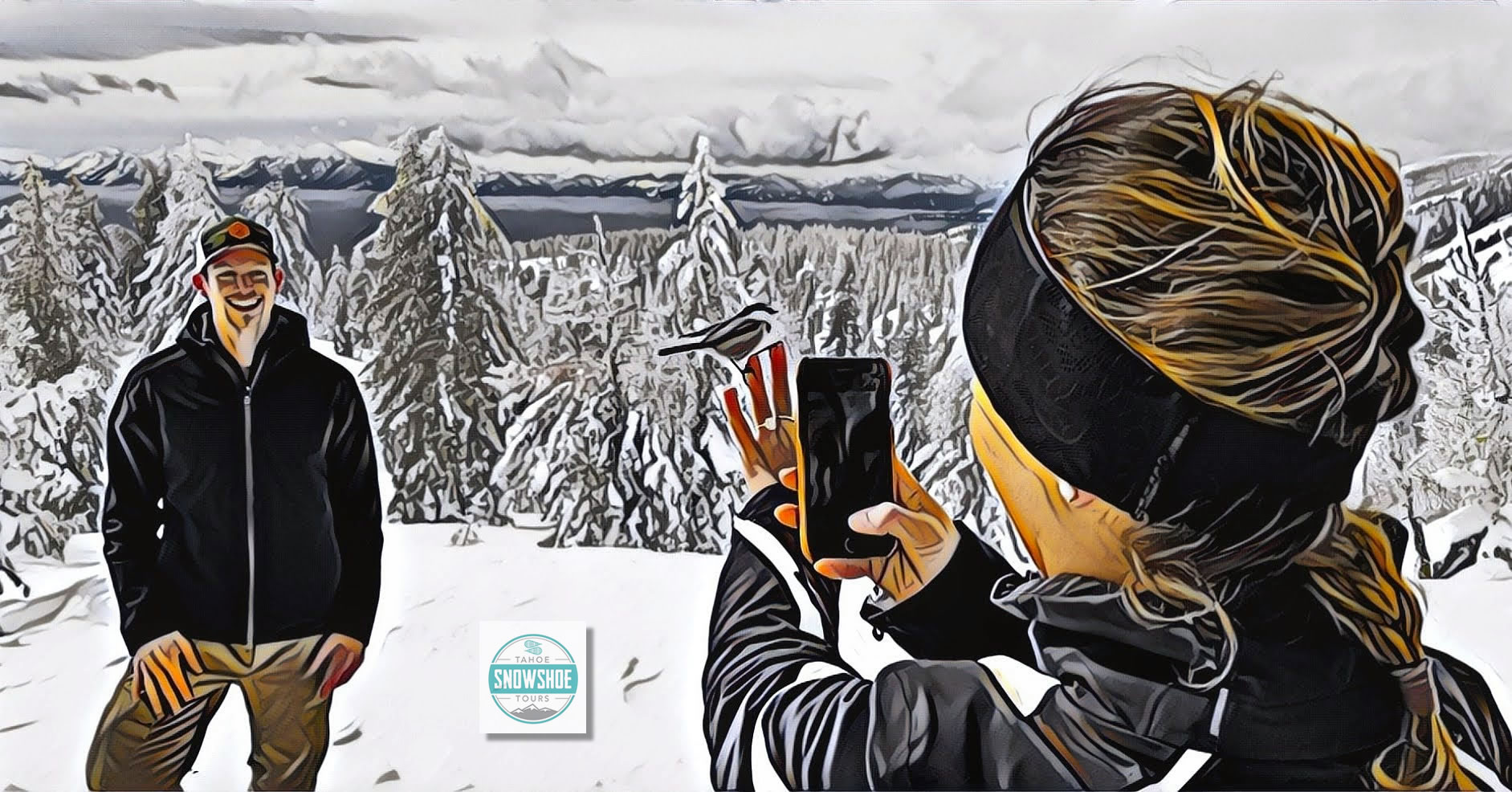
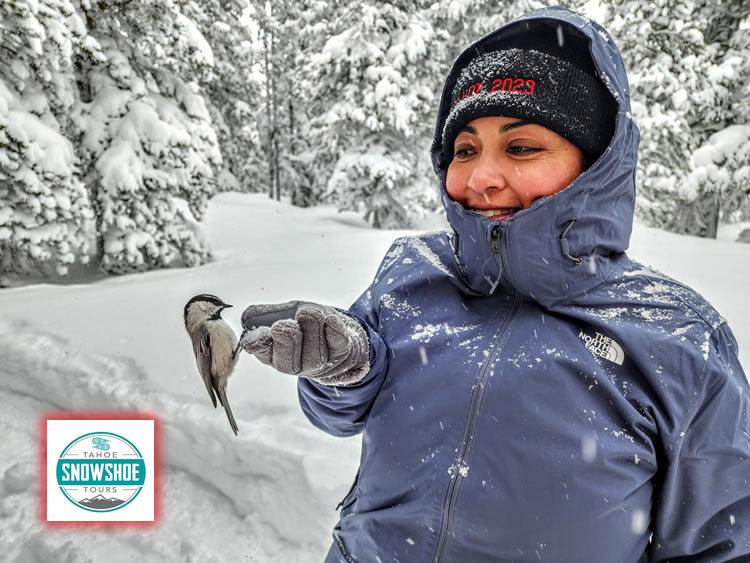
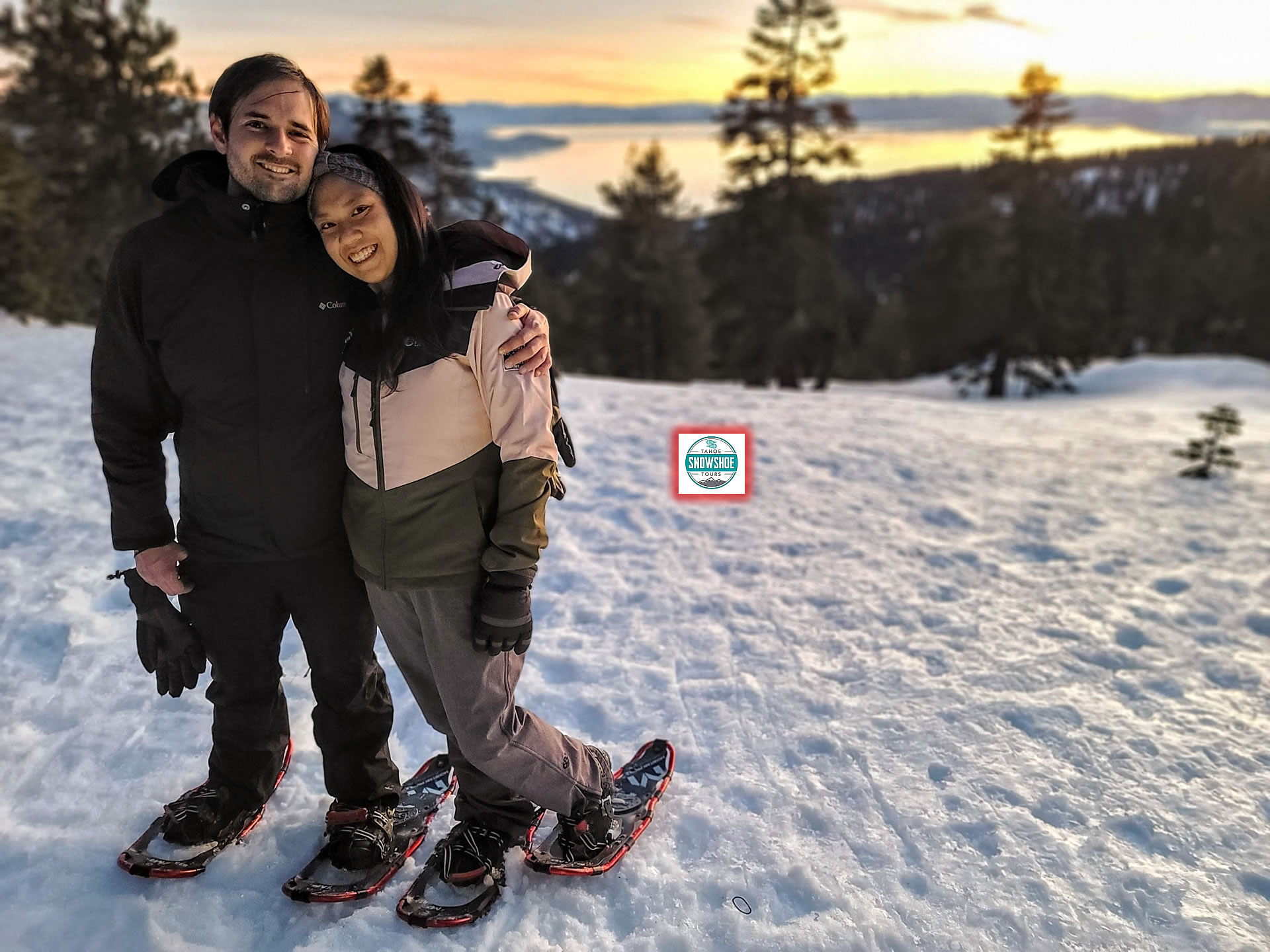
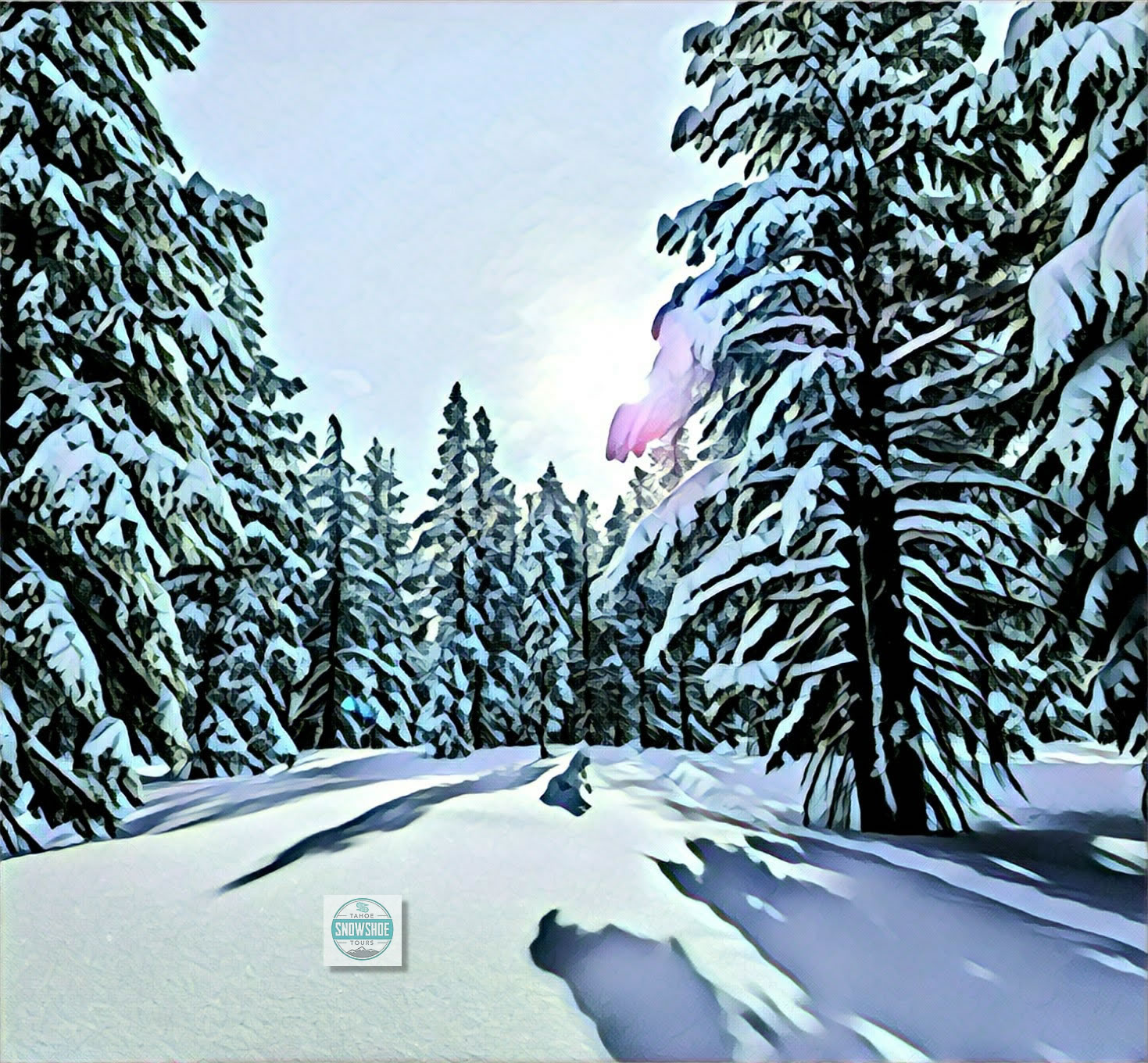
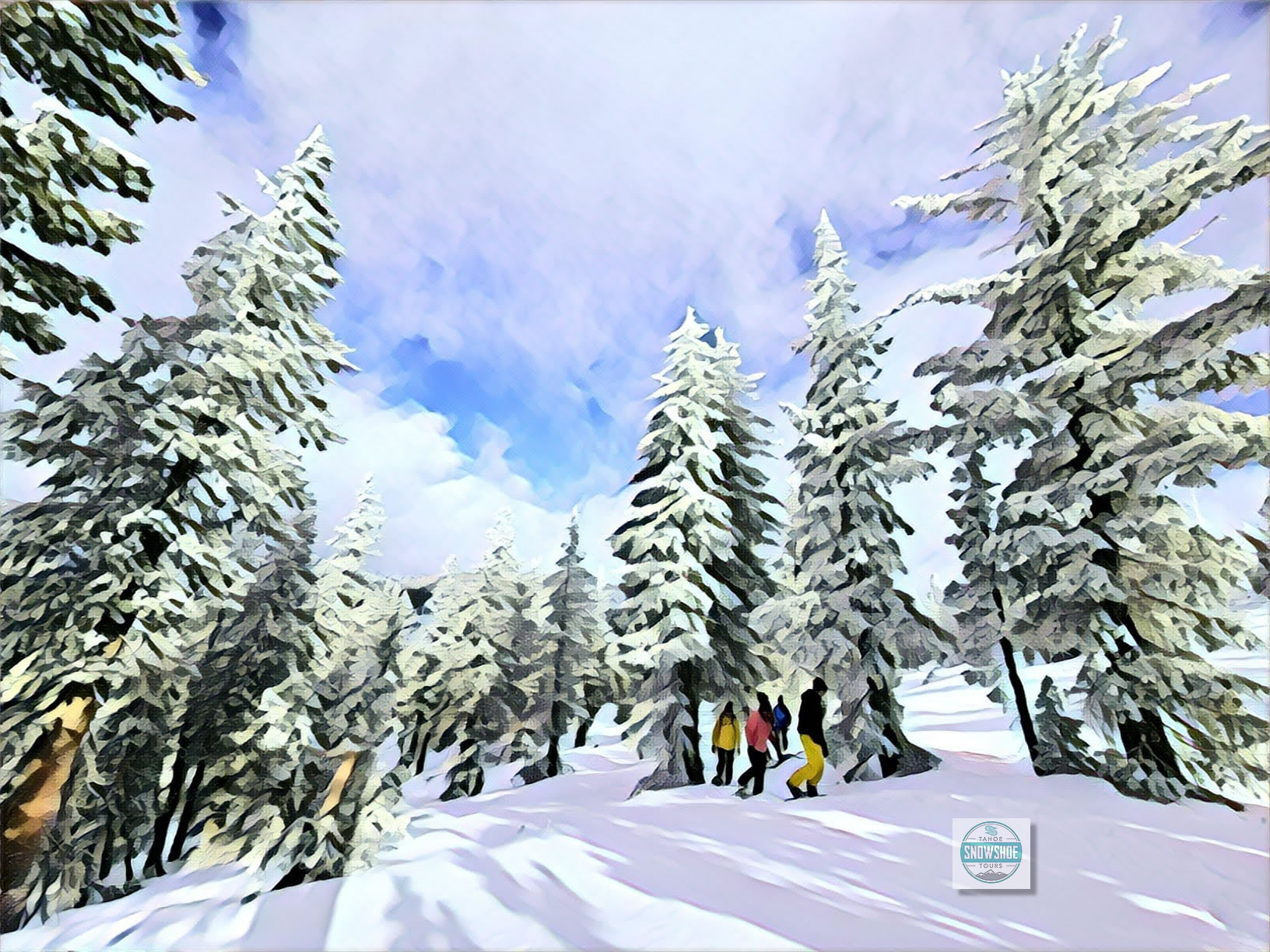
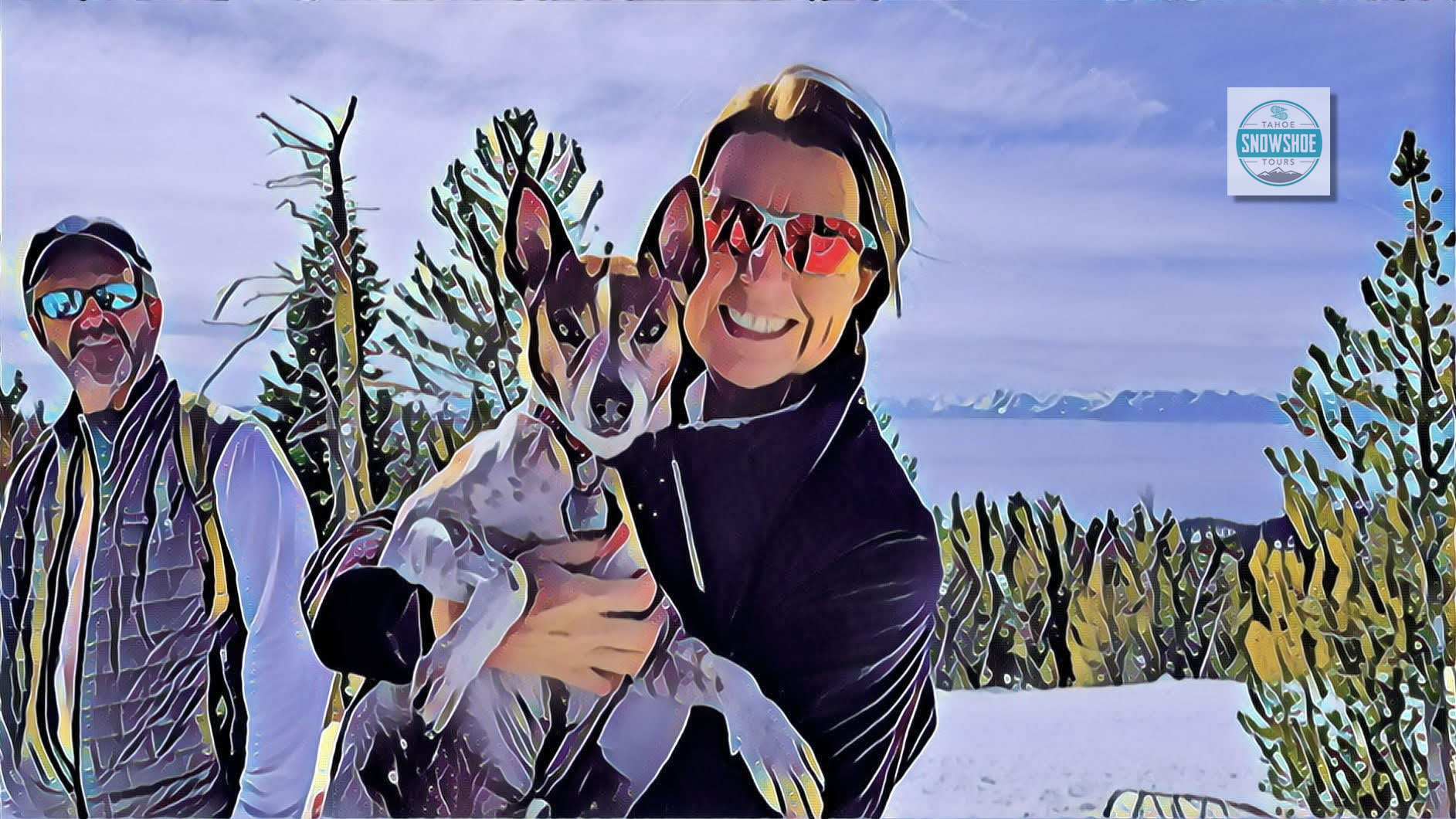
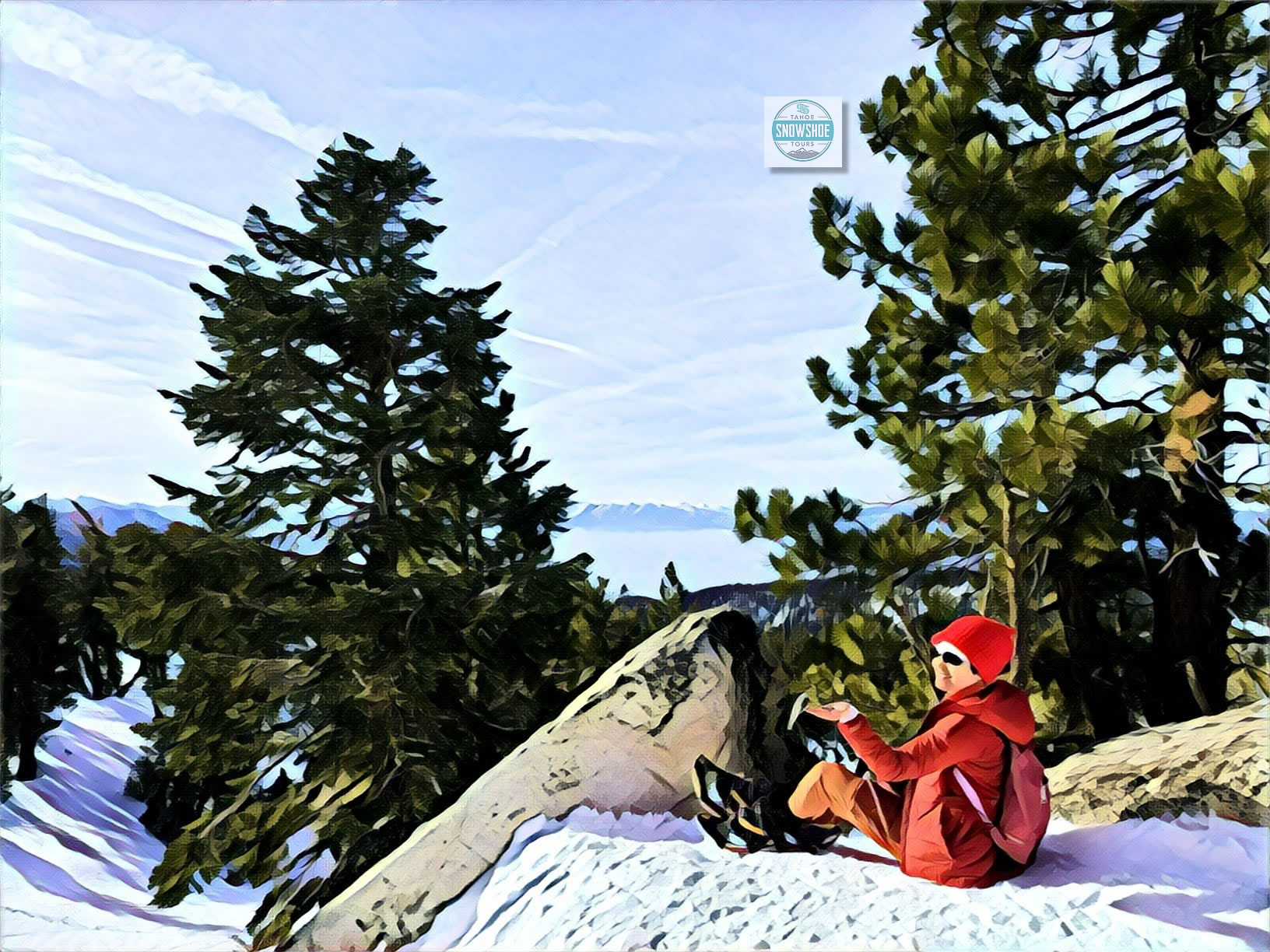
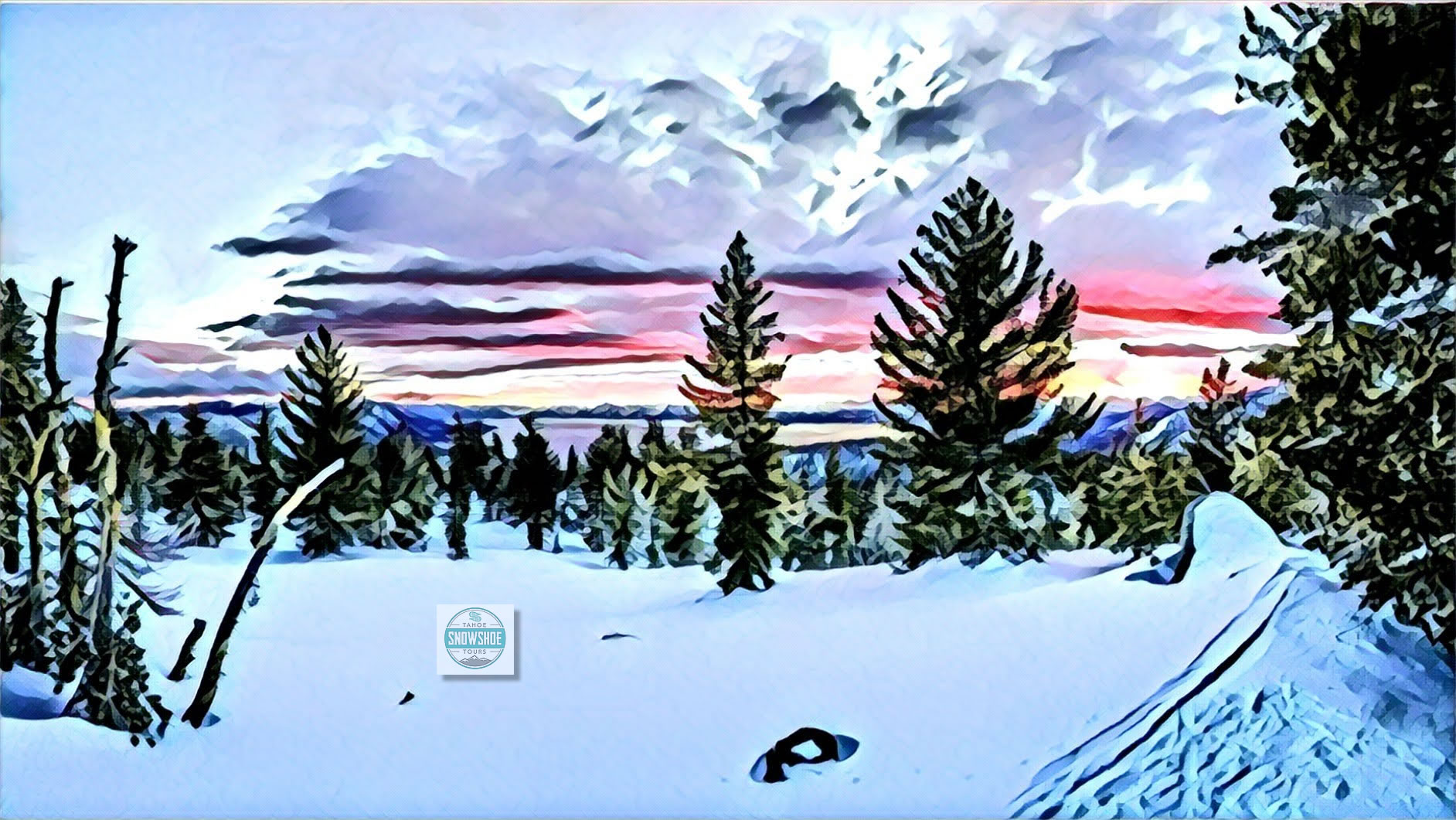
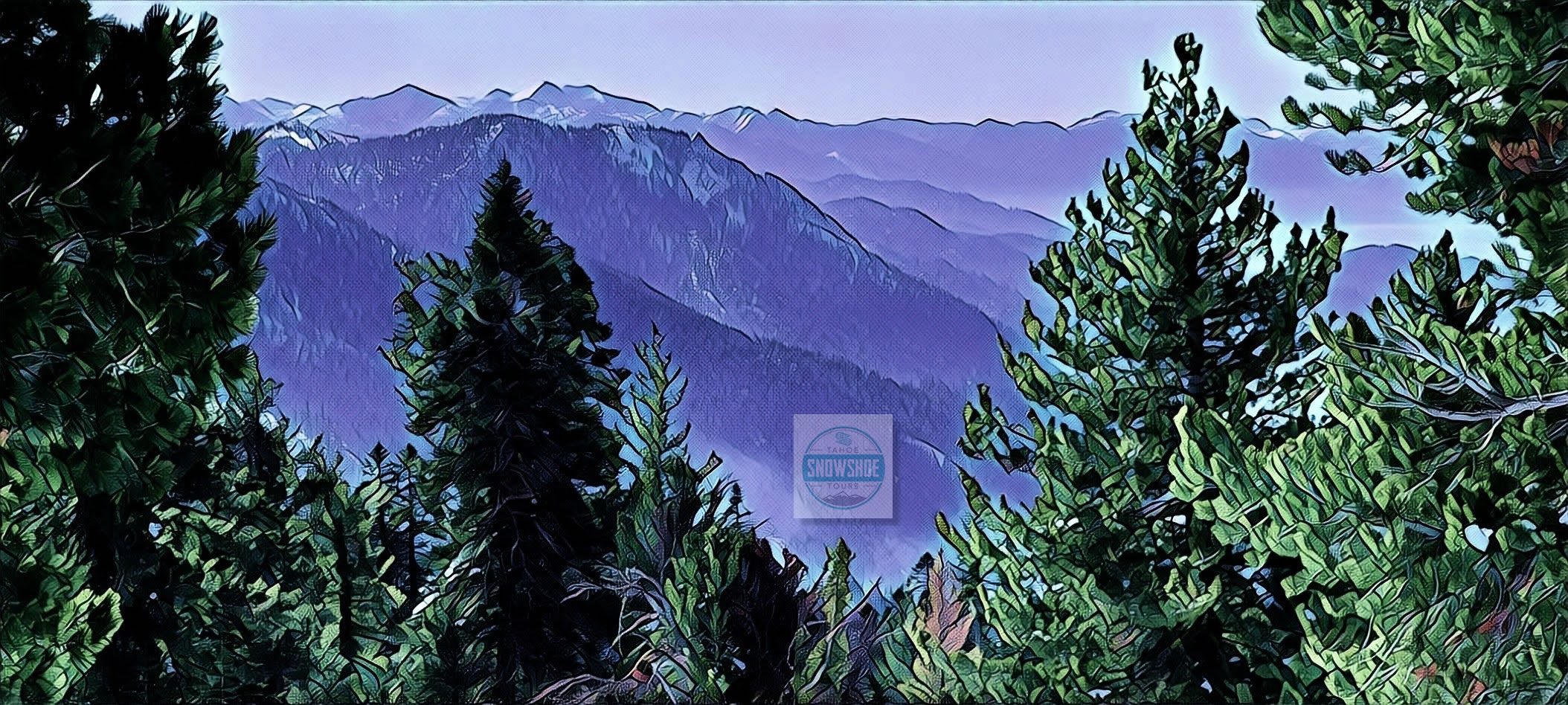
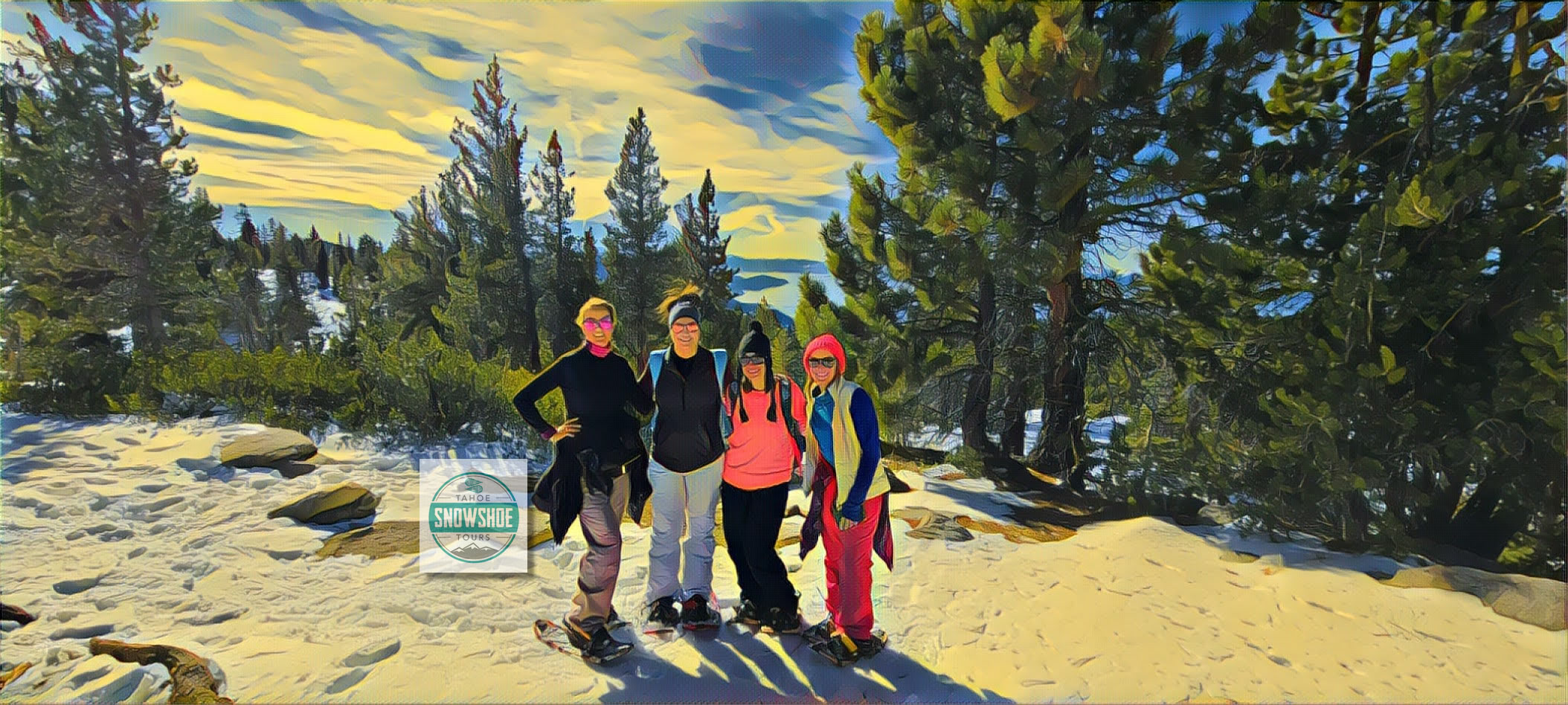
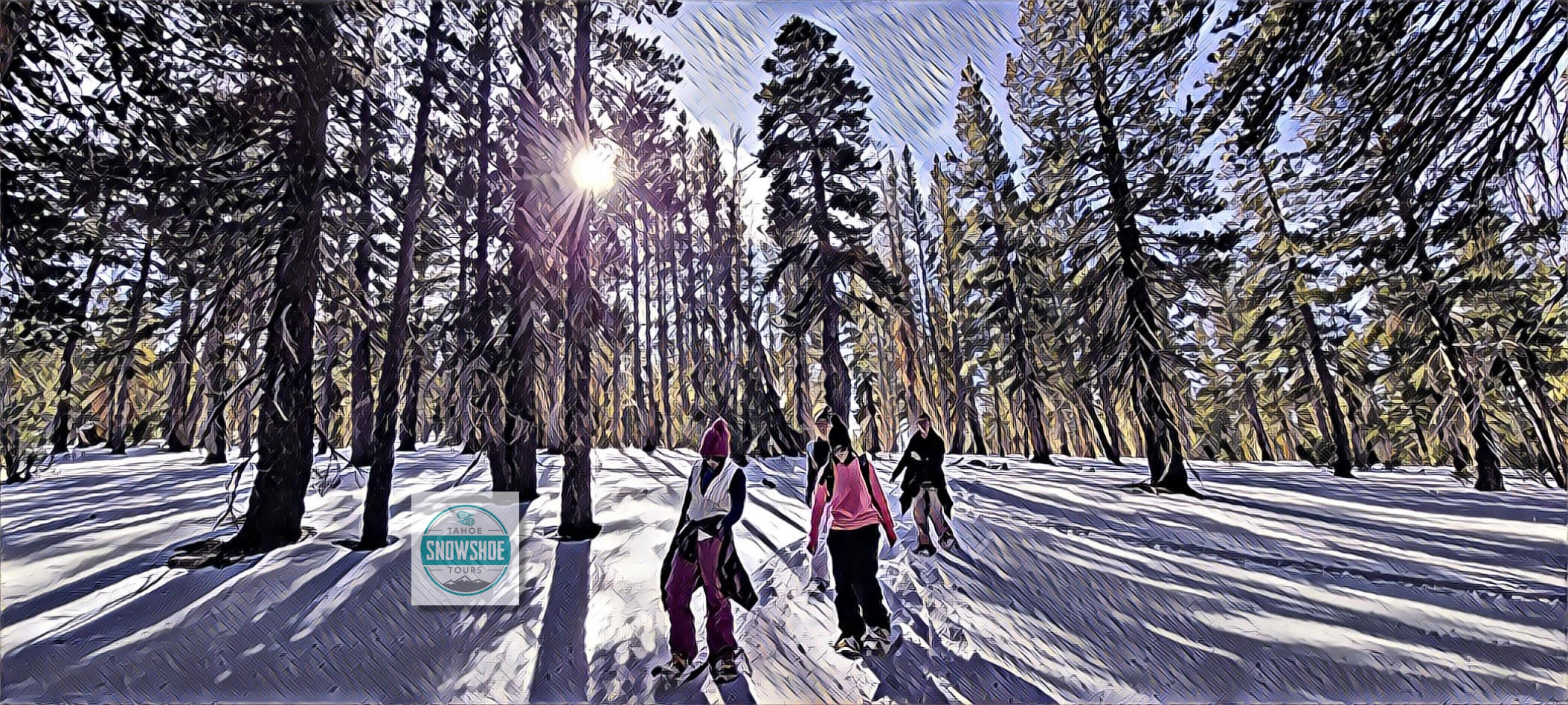
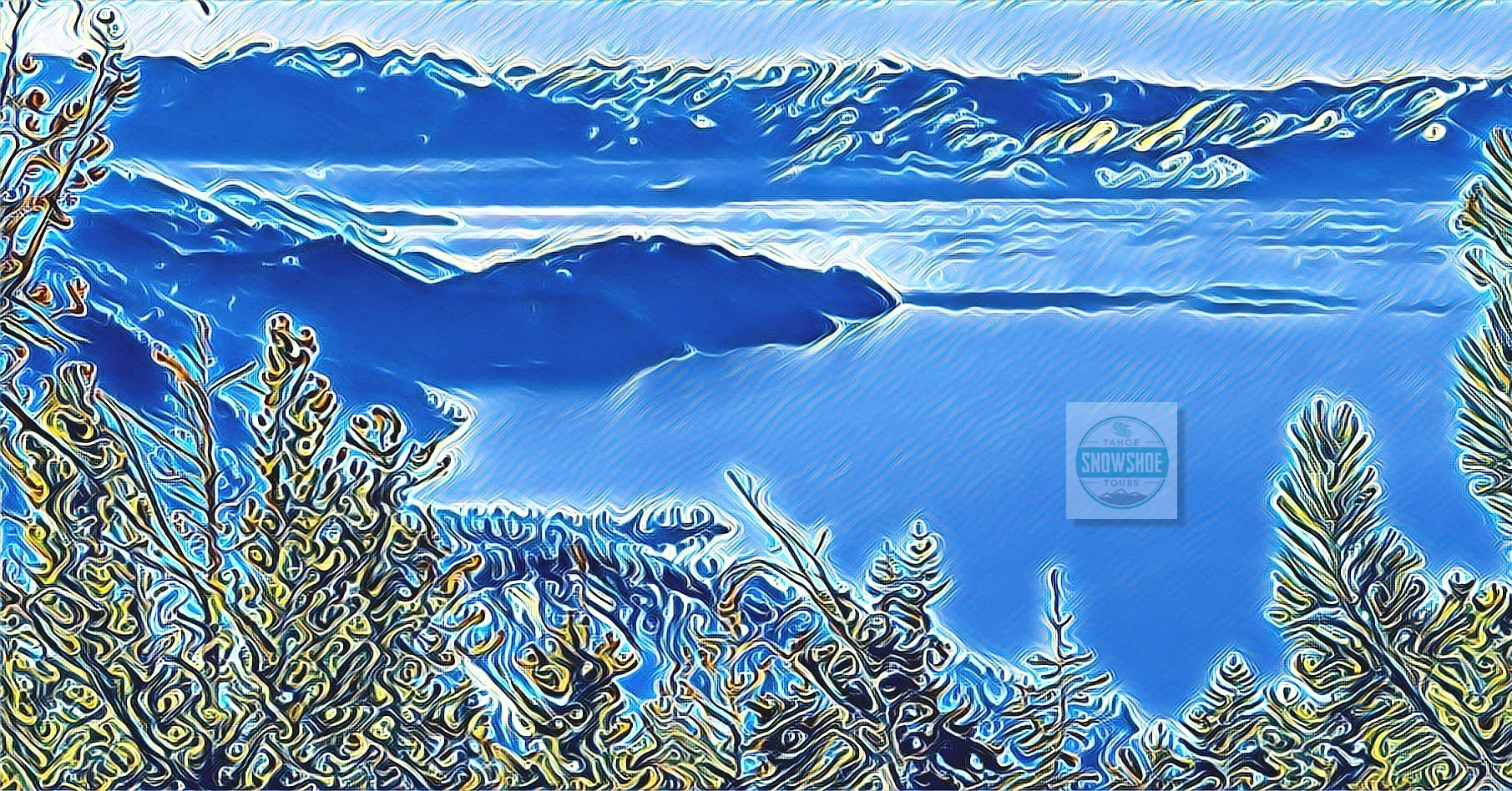
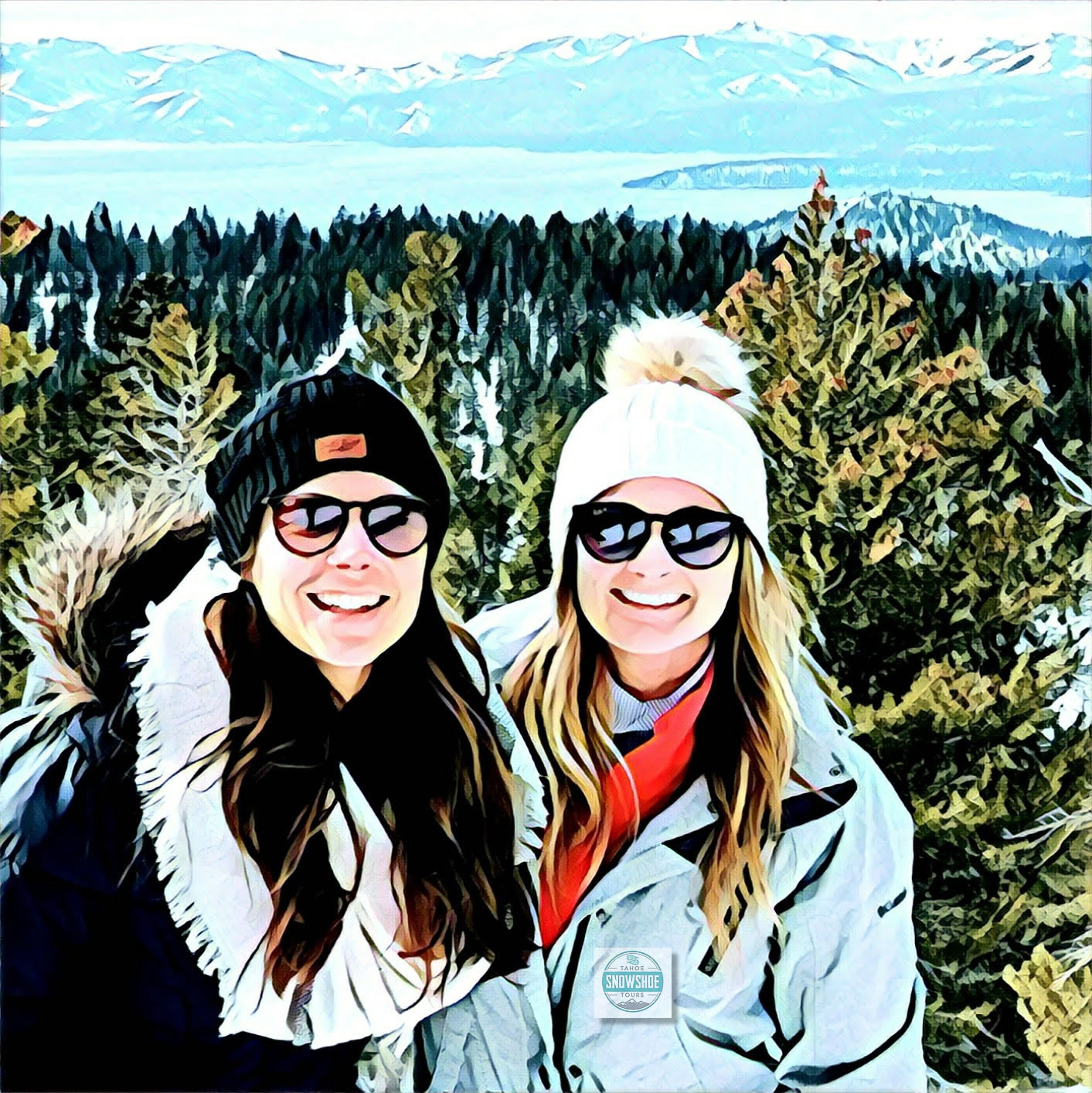
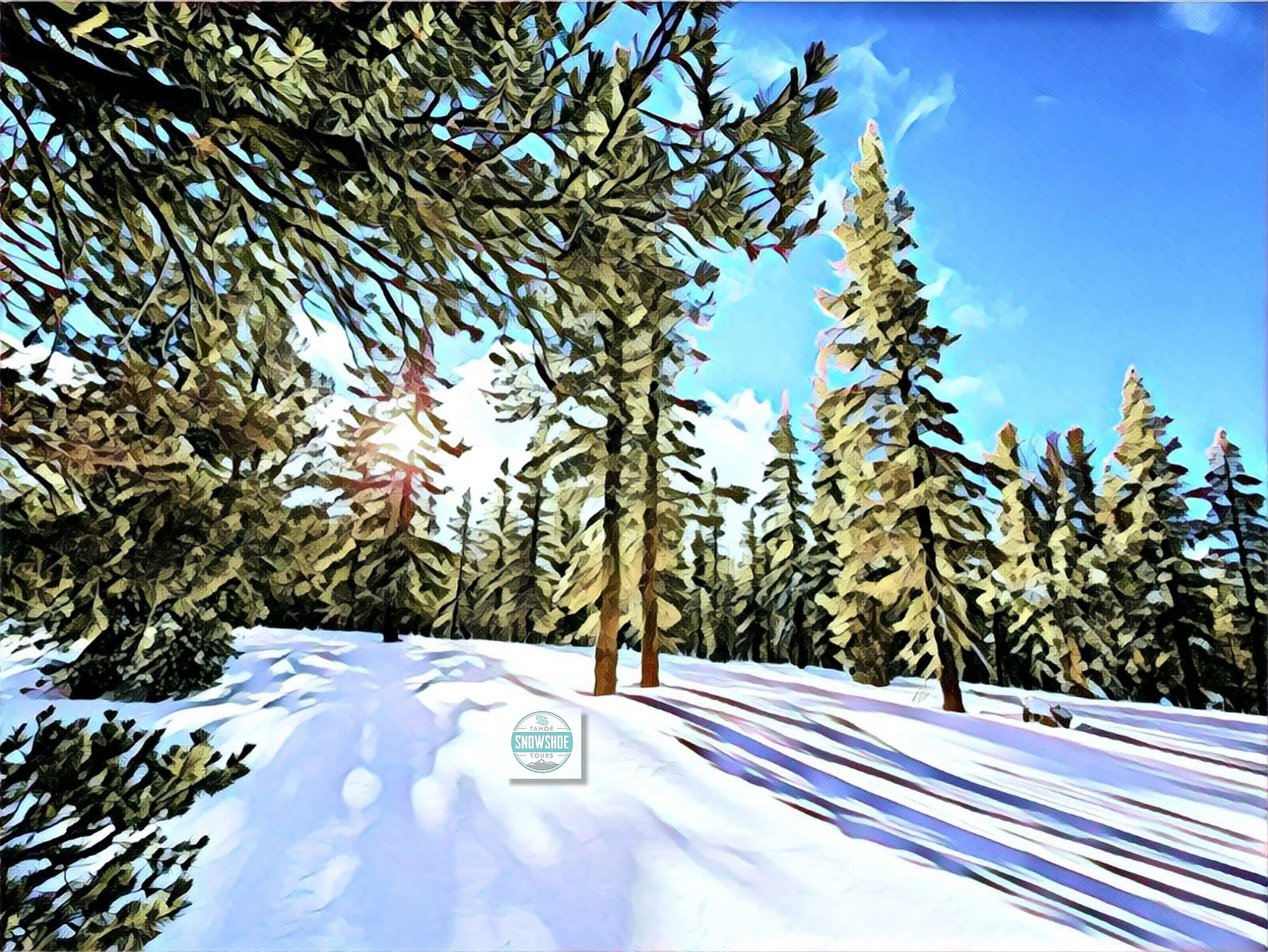
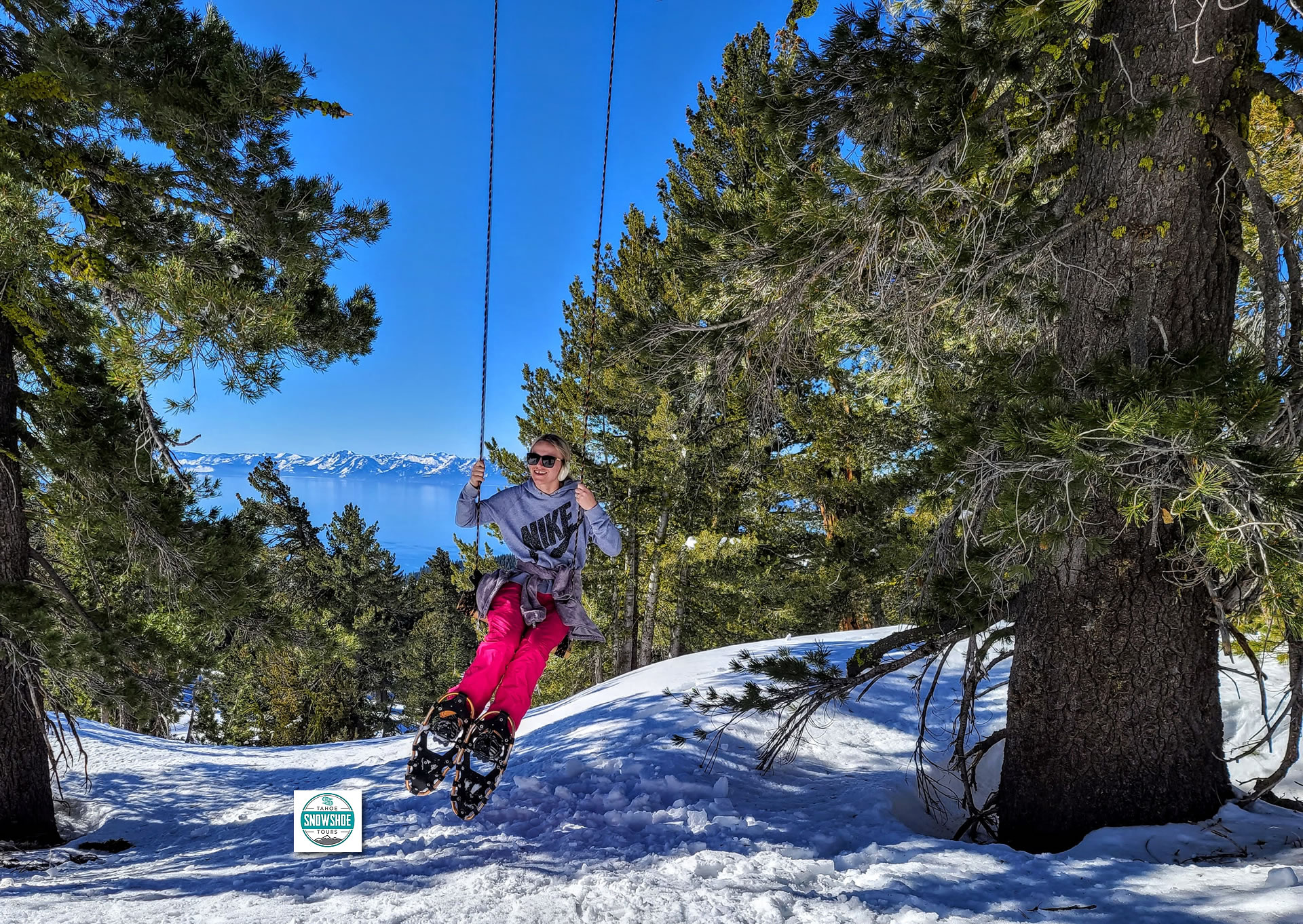
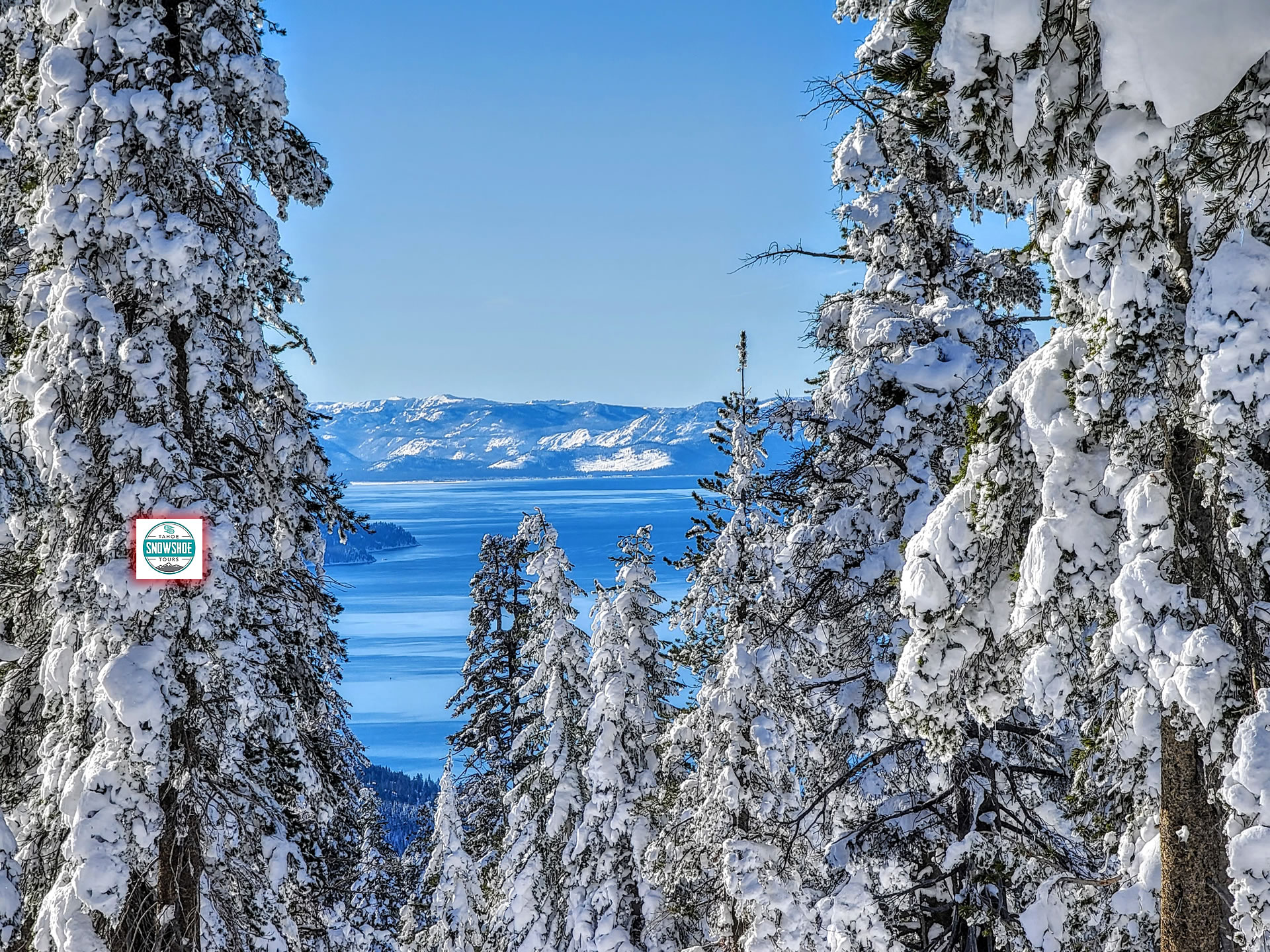
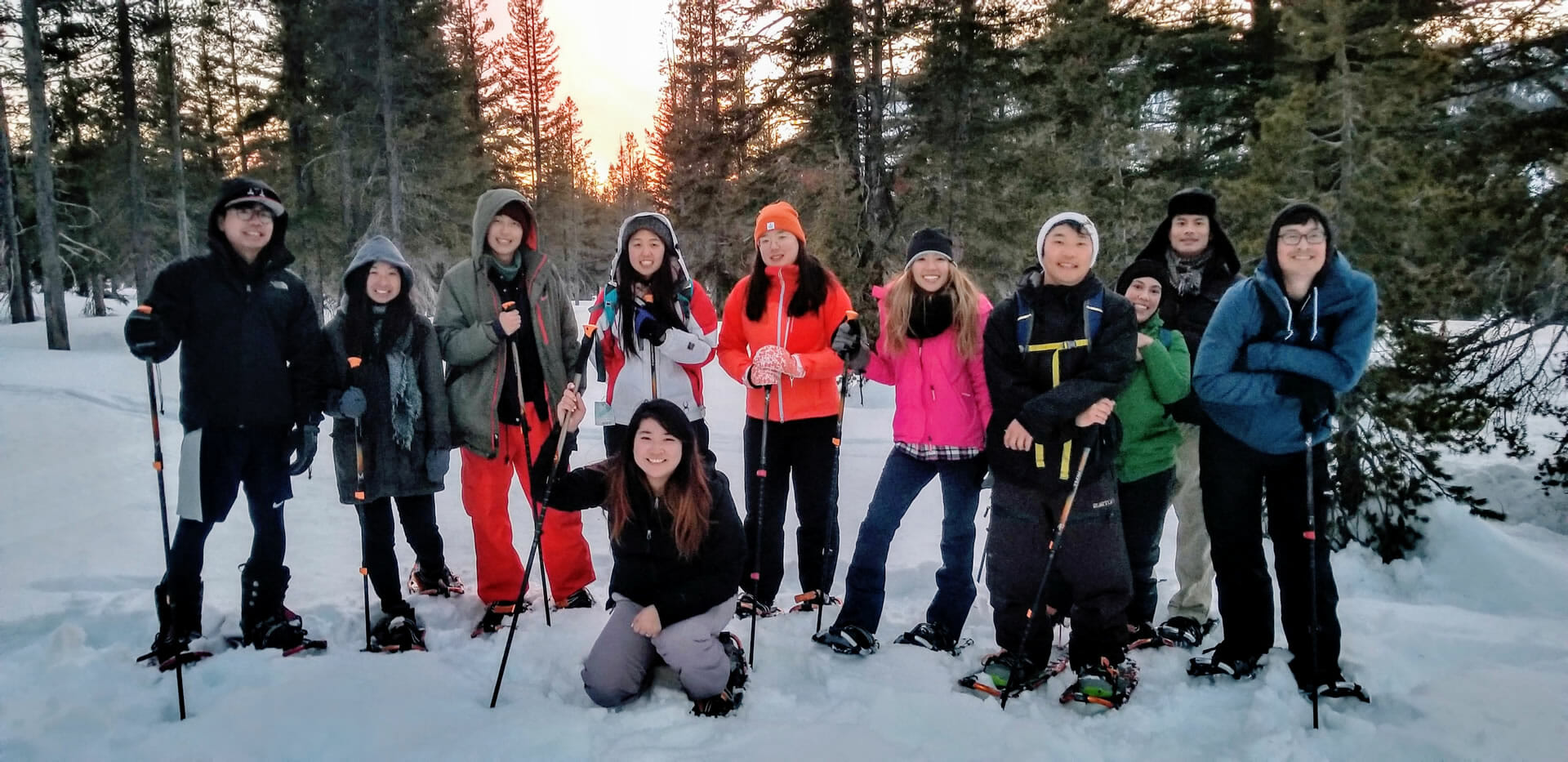
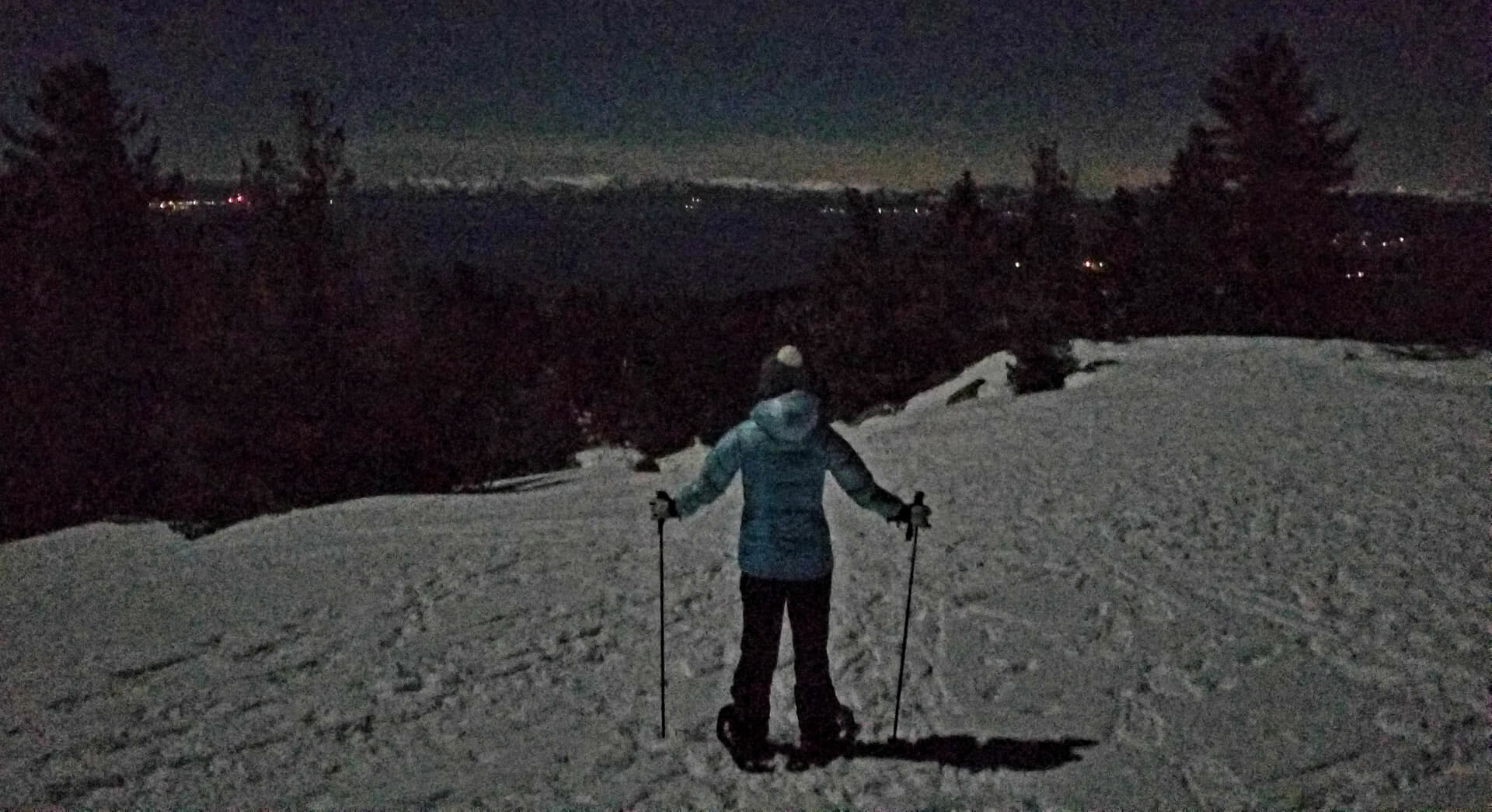
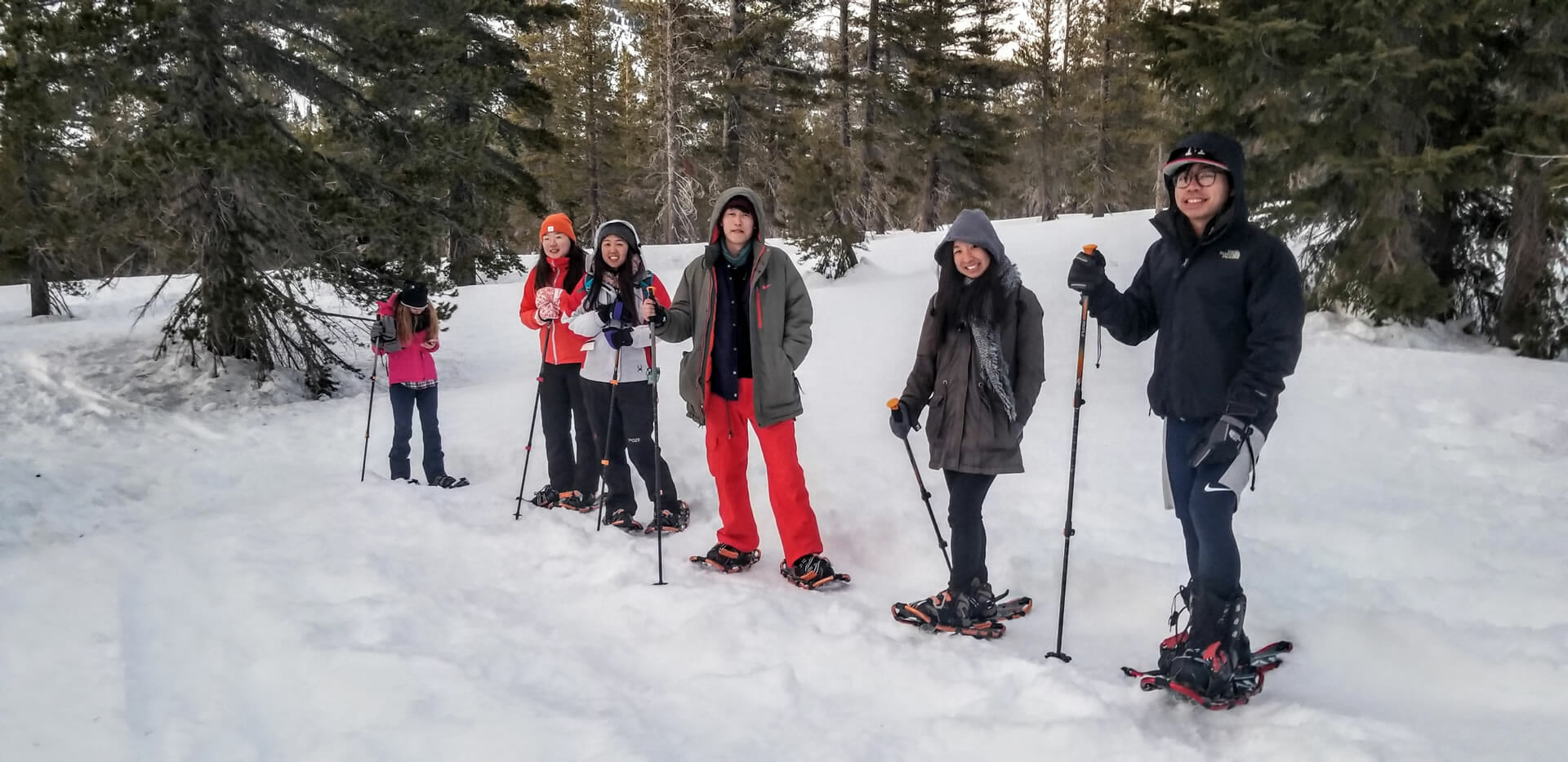
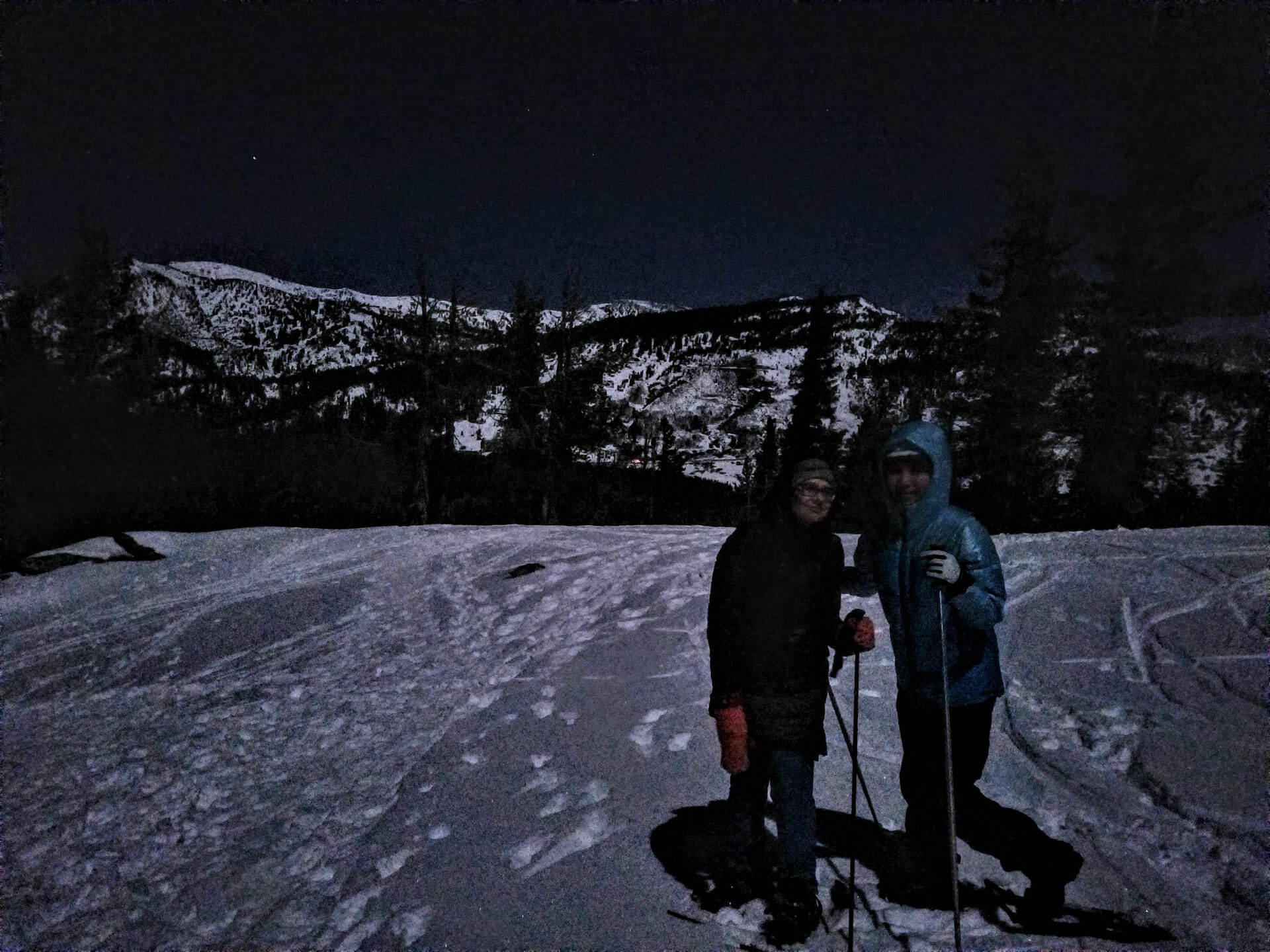
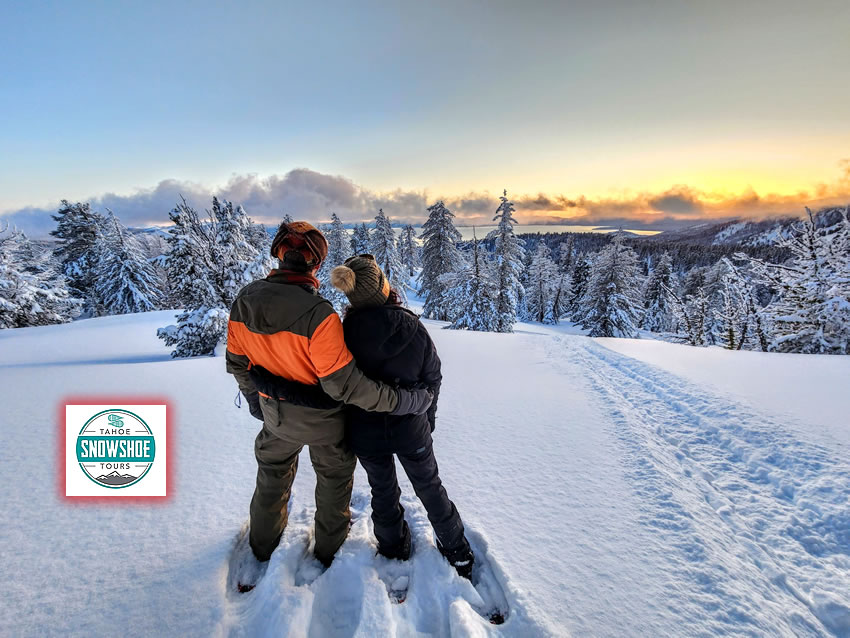
You’re immersed in deep wilderness, surrounded by silence, snow-draped trees, soaring raptors, wild birds landing on your hand, and that signature Lake Tahoe “blue abyss” view — but never exhausted to the point that the experience becomes a physical struggle.
The key word is experience.
And that’s where many companies miss the mark.
🥾 Why Competitors’ 3–5 Mile Tours Are Not Realistic
Some companies advertise to the uninformed with tour descriptions such as:
-
“More value — three miles!”
-
“Four-hour snowshoe trek!”
-
“Up to five miles of adventure!”
On paper, this sounds appealing. More miles, same price — who wouldn’t consider it?
But here’s the truth:
1. These companies are appealing to a market that has no idea how altitude works.
They’re speaking to people at sea level who believe miles = value. Until they get here and realize miles = misery.
2. The human body cannot sustain 4–5 miles at 9,000 feet without it feeling like a forced march.
Not comfortably. Not joyfully. Not safely.
3. These longer distances are not based on client results — they’re based on marketing optics.
In our industry, this is known as virtue signaling by mileage: “Look at us! For the same price you get more snowshoeing!”
Except you don’t.
You get more suffering.
4. The average person ends up exhausted at the halfway point.
We’ve heard hundreds of stories of clients trying a “long tour” elsewhere before switching to us:
“It felt like we were training for the US Army Special Forces Q Course.”
“My partner struggled the entire time.”
“We were so winded the guide barely spoke.”
“We missed the views because we were focused on breathing.”
And the Q Course comparison is accurate — think Navy SEAL training, but harder.
If your idea of a vacation is gasping for air during a four-hour uphill slog in deep snow… you’re a statistical outlier.
For everyone else:
**Longer tours do not create better memories.
Two-mile tours create unforgettable ones.**
🌤️ The Perfect Tour Is Designed, Not Measured
Our tours are not random distances picked off a brochure, or mileage bragging rights designed by someone at a desk.
They’re the result of:
-
Years of professional guiding
-
Thousands of guests
-
Post-tour debriefs
-
Real-time pacing adjustments
-
Observing oxygen levels, fatigue patterns, and recovery times
-
Thousands of reviews
-
Post-Covid shifts in fitness levels and expectations
The result?
A perfectly calibrated outdoor wilderness experience designed for the way real people actually perform at high altitude.
Not imagined people.
Not brochure people.
Not Instagram people.
Real people.
🧭 Our Pacing Philosophy: Slow Enough to See, Steady Enough to Enjoy
Nearly every competitor uses a fixed pace:
-
One speed
-
One cadence
-
One distance
-
One experience for all fitness levels
That’s like putting everyone in the same ski class regardless of ability. We do the opposite.
Our guides are trained in:
-
Cardiovascular observation
-
Breathing pattern monitoring
-
Elevation-based pacing strategy
-
Winded-guest recovery timing
-
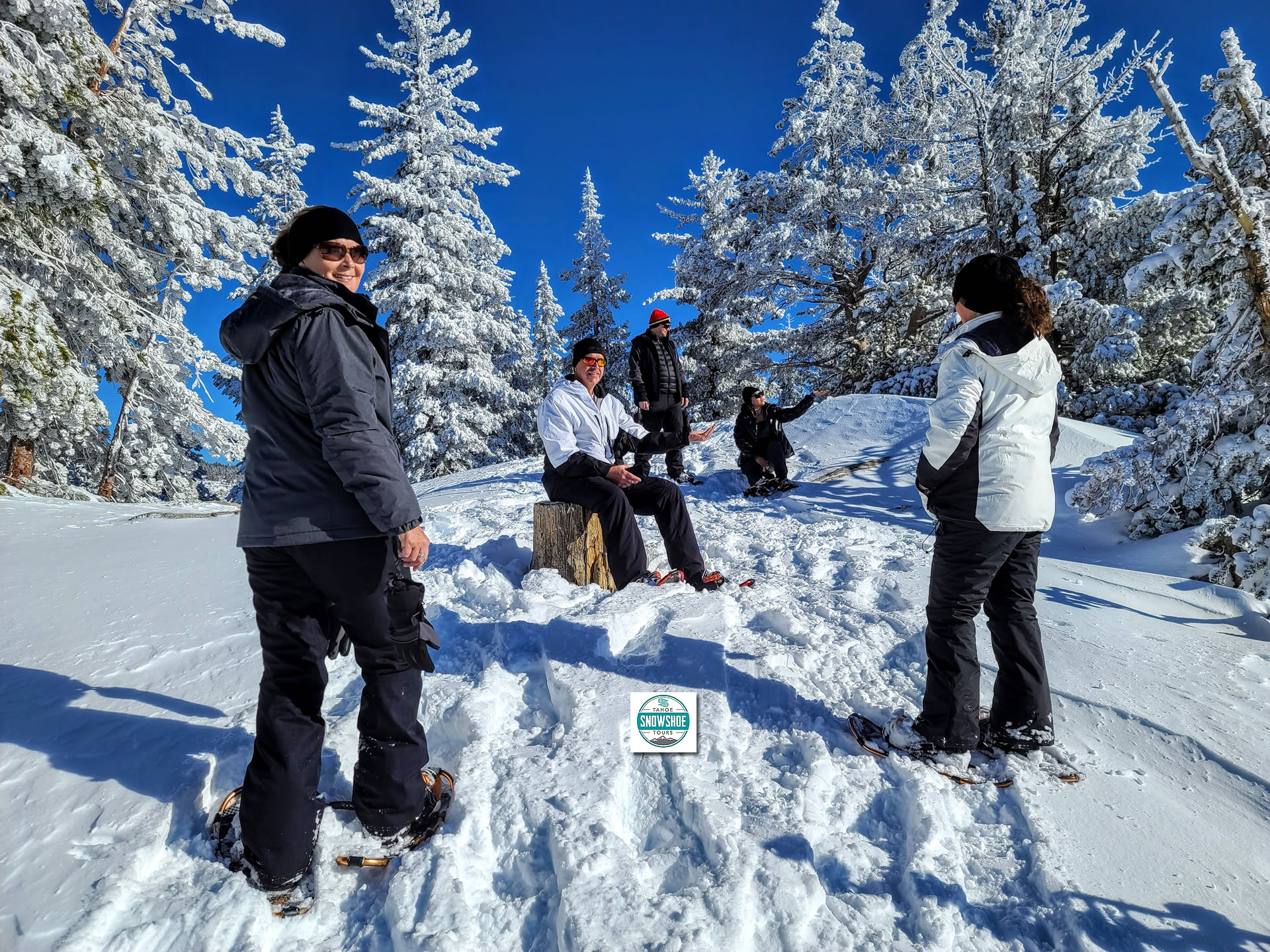
Experience layering with breaks, views, wildlife moments, and storytelling
Our tours include:
-
Recovery breaks that don’t feel like breaks
-
Photo moments that double as breathing resets
-
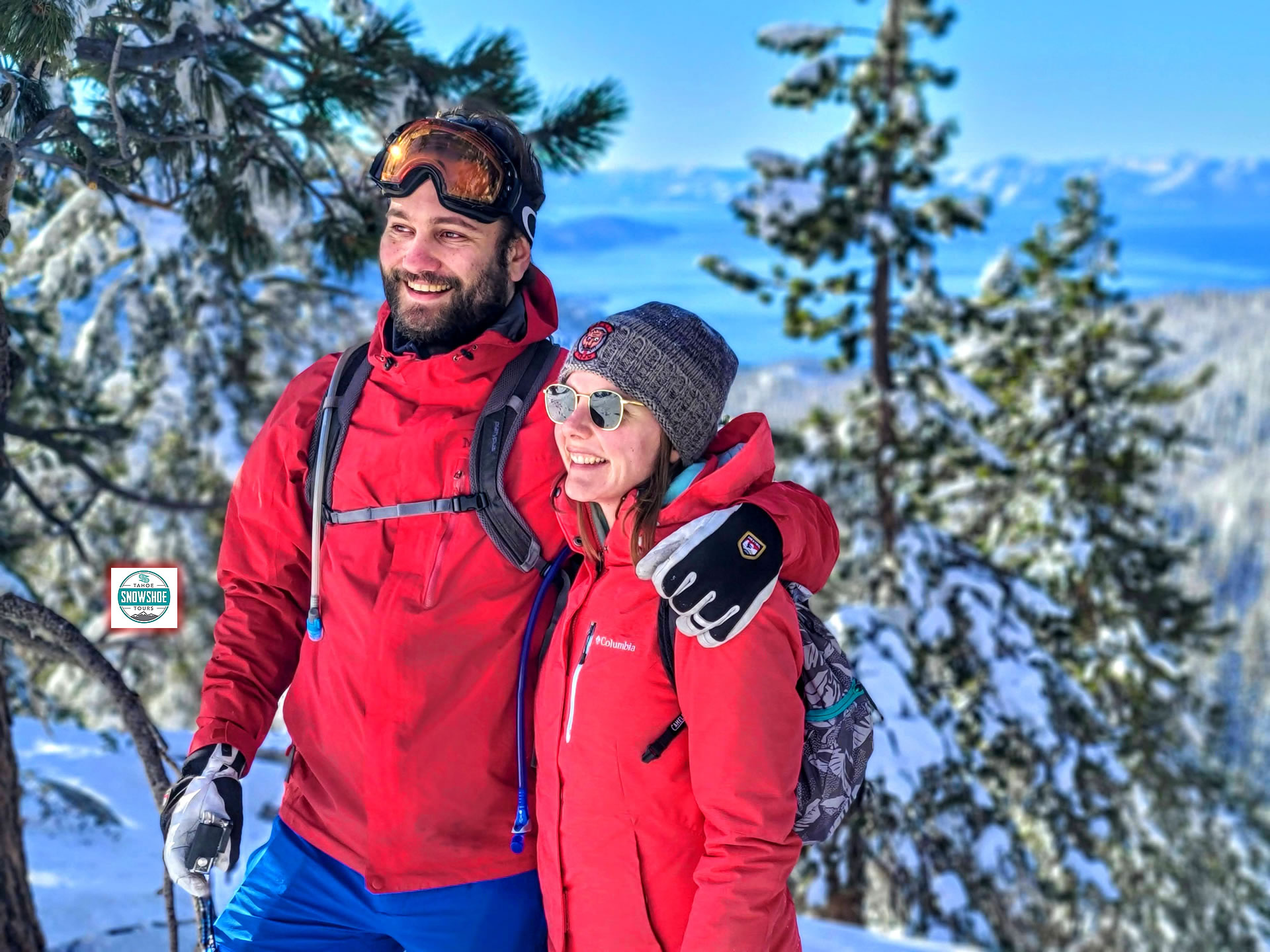
Viewpoints that reward effort
-
A gentle cadence that avoids the “red zone”
-
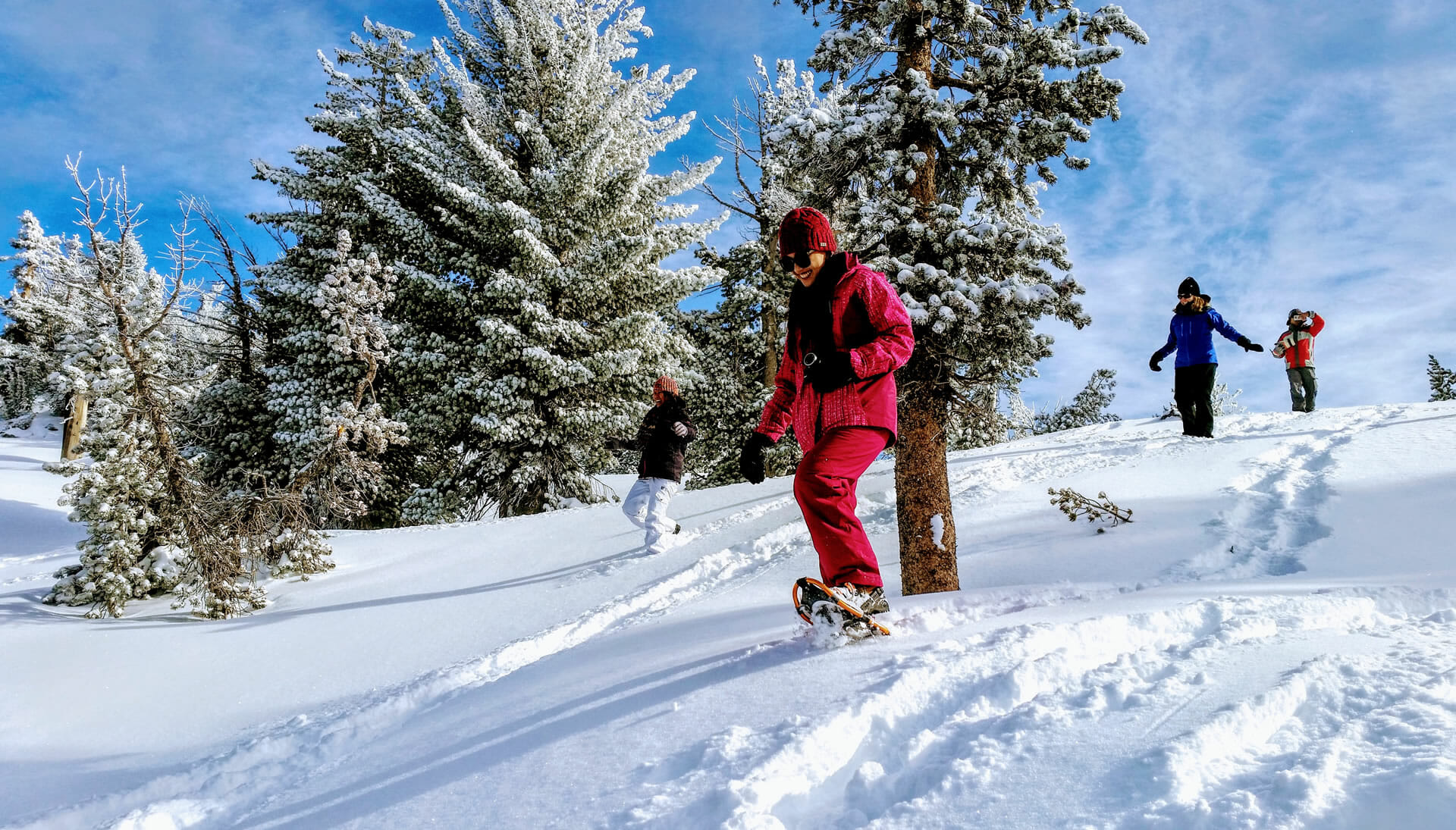
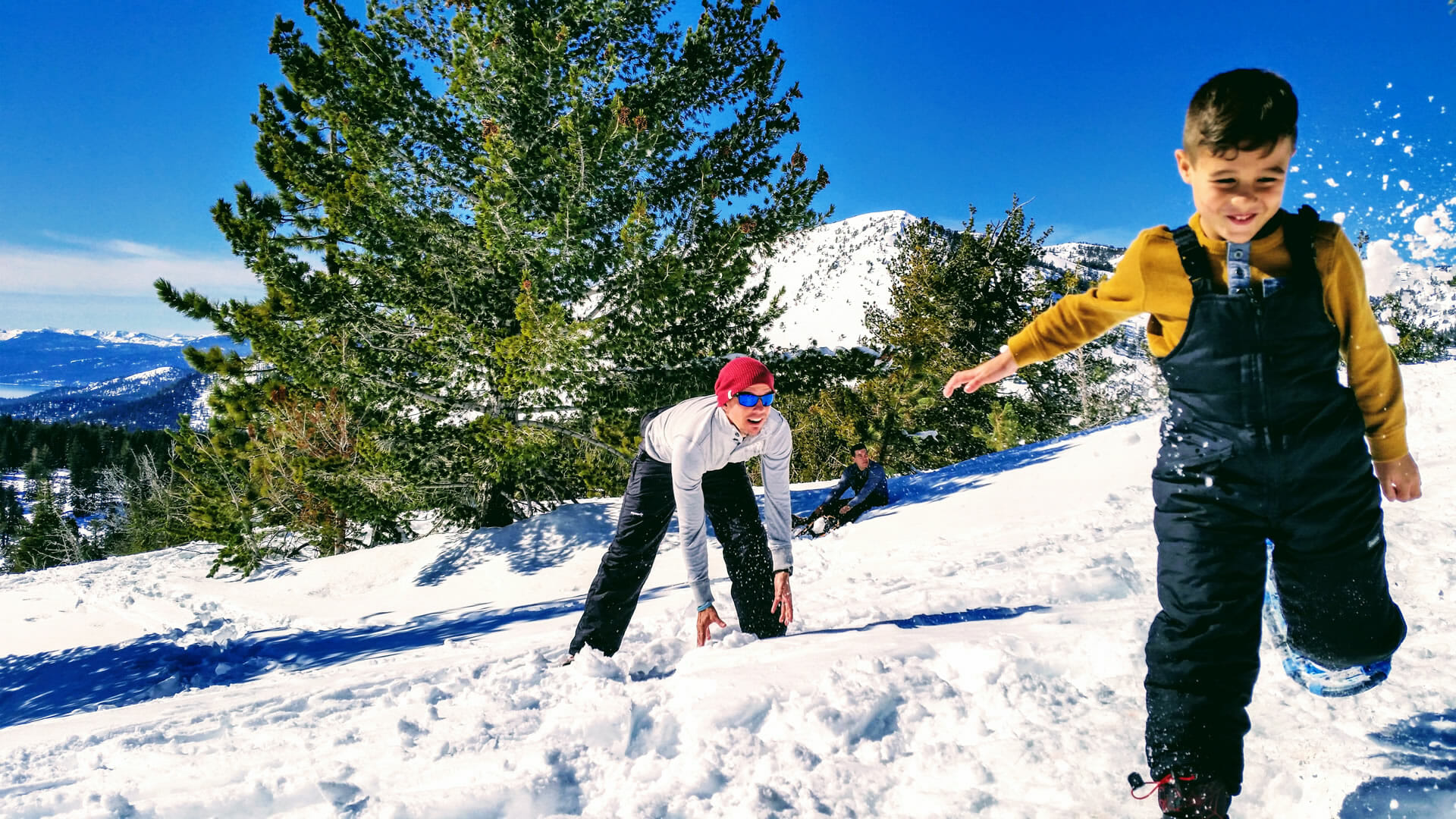
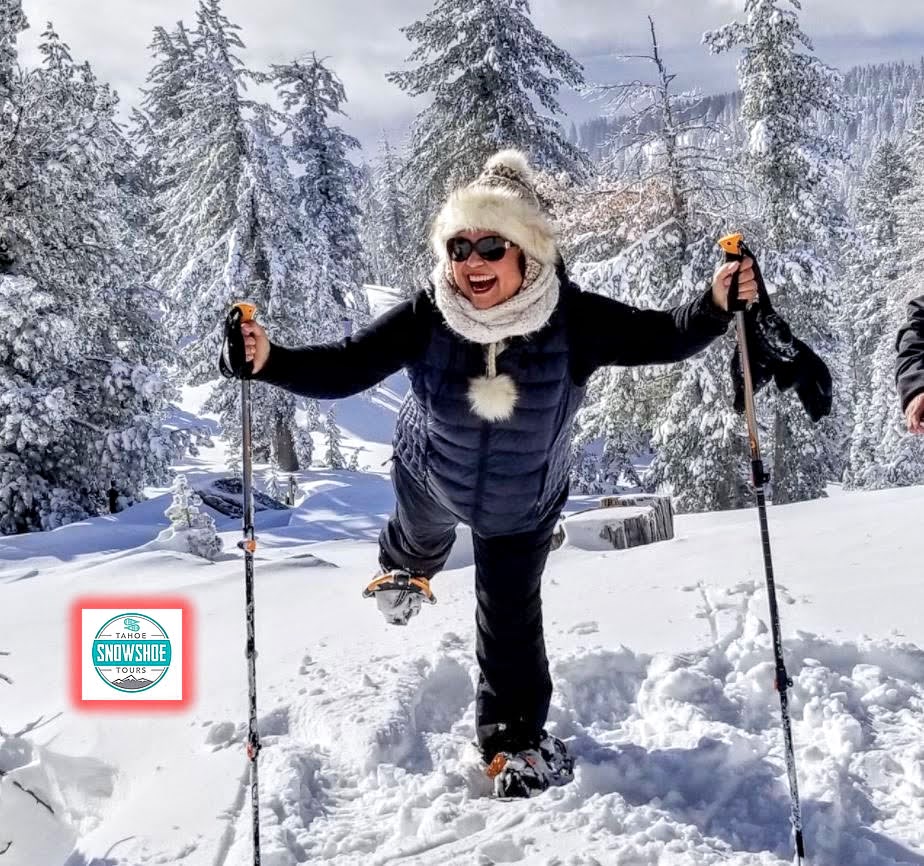
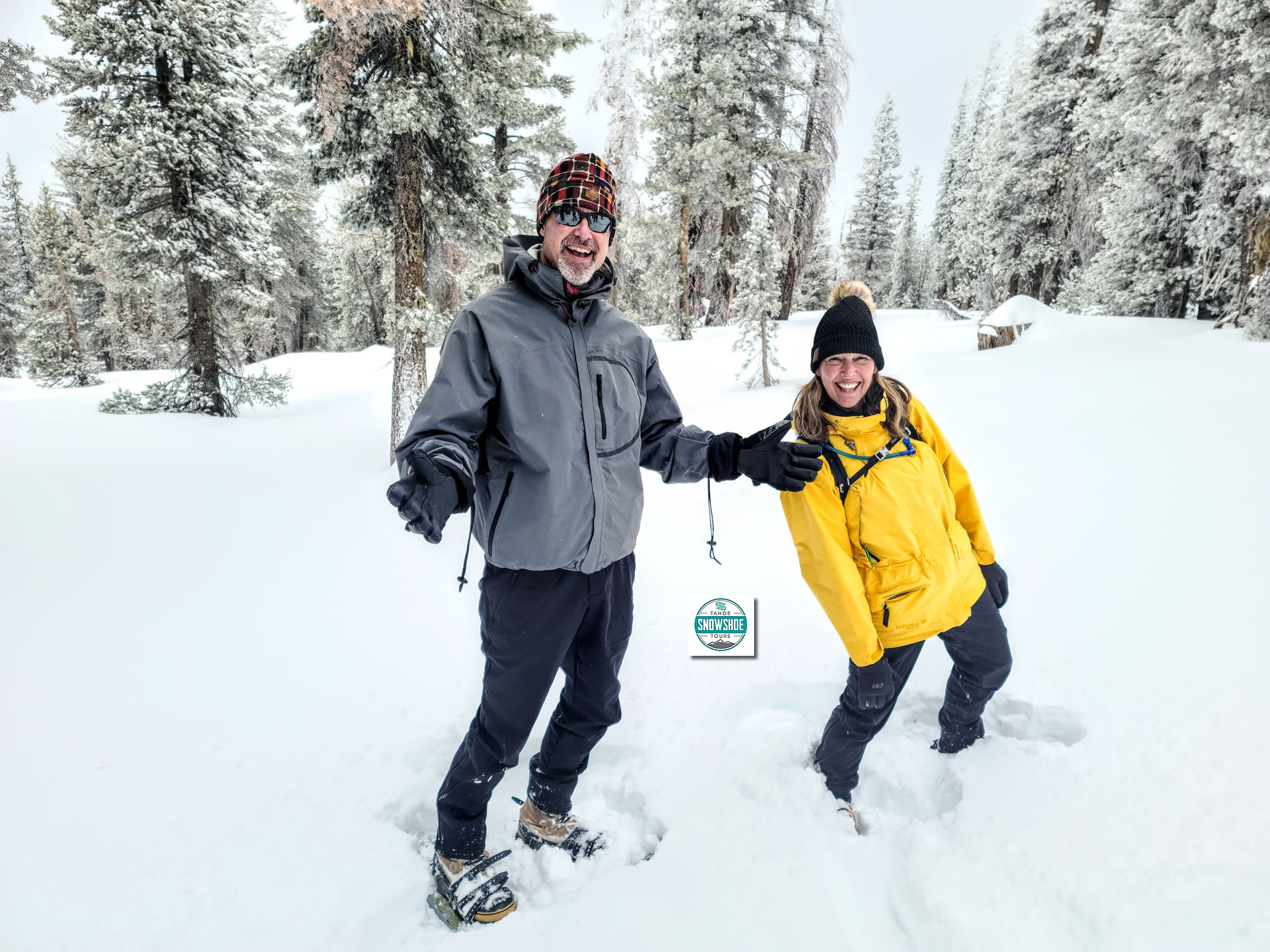
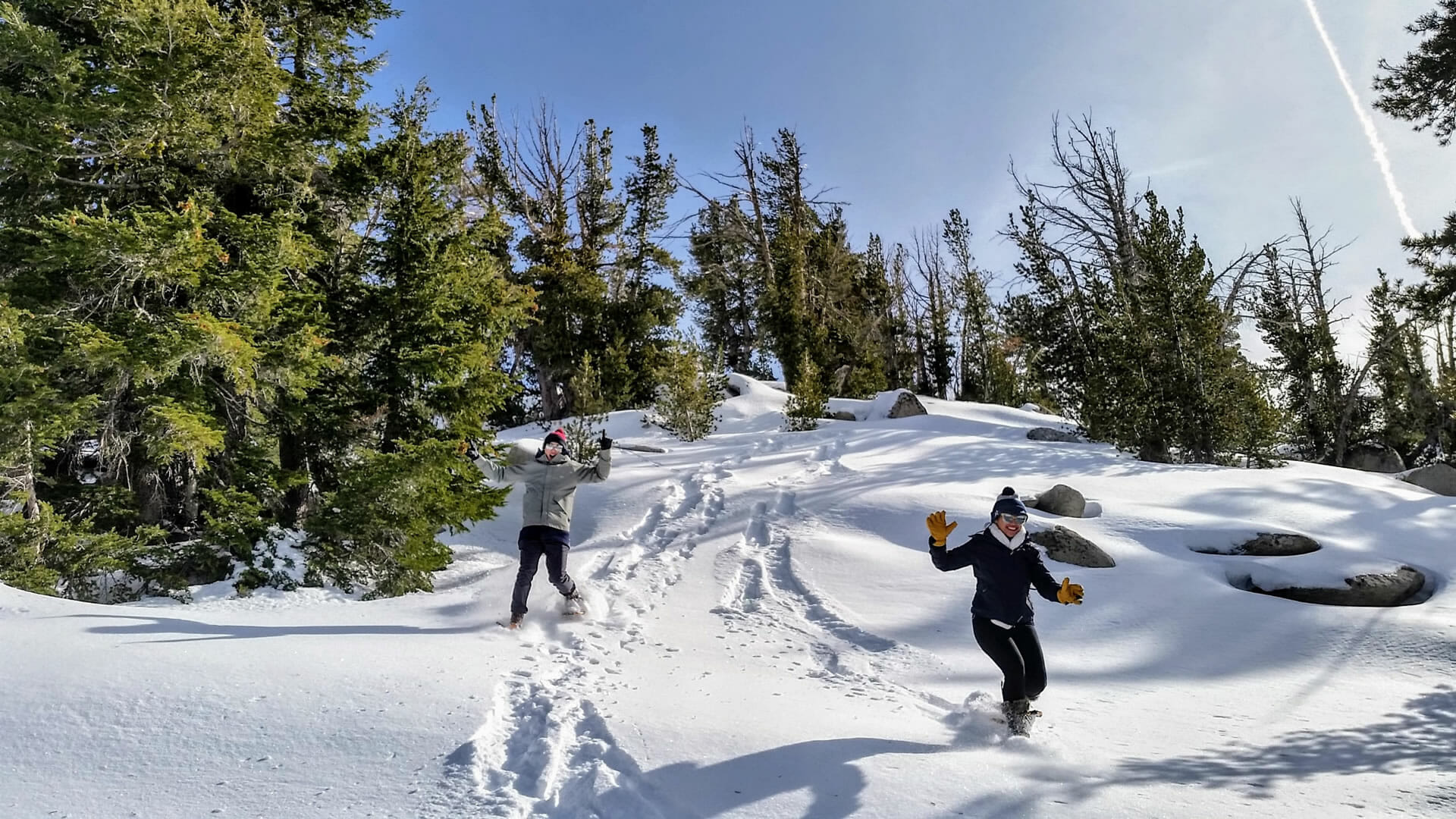
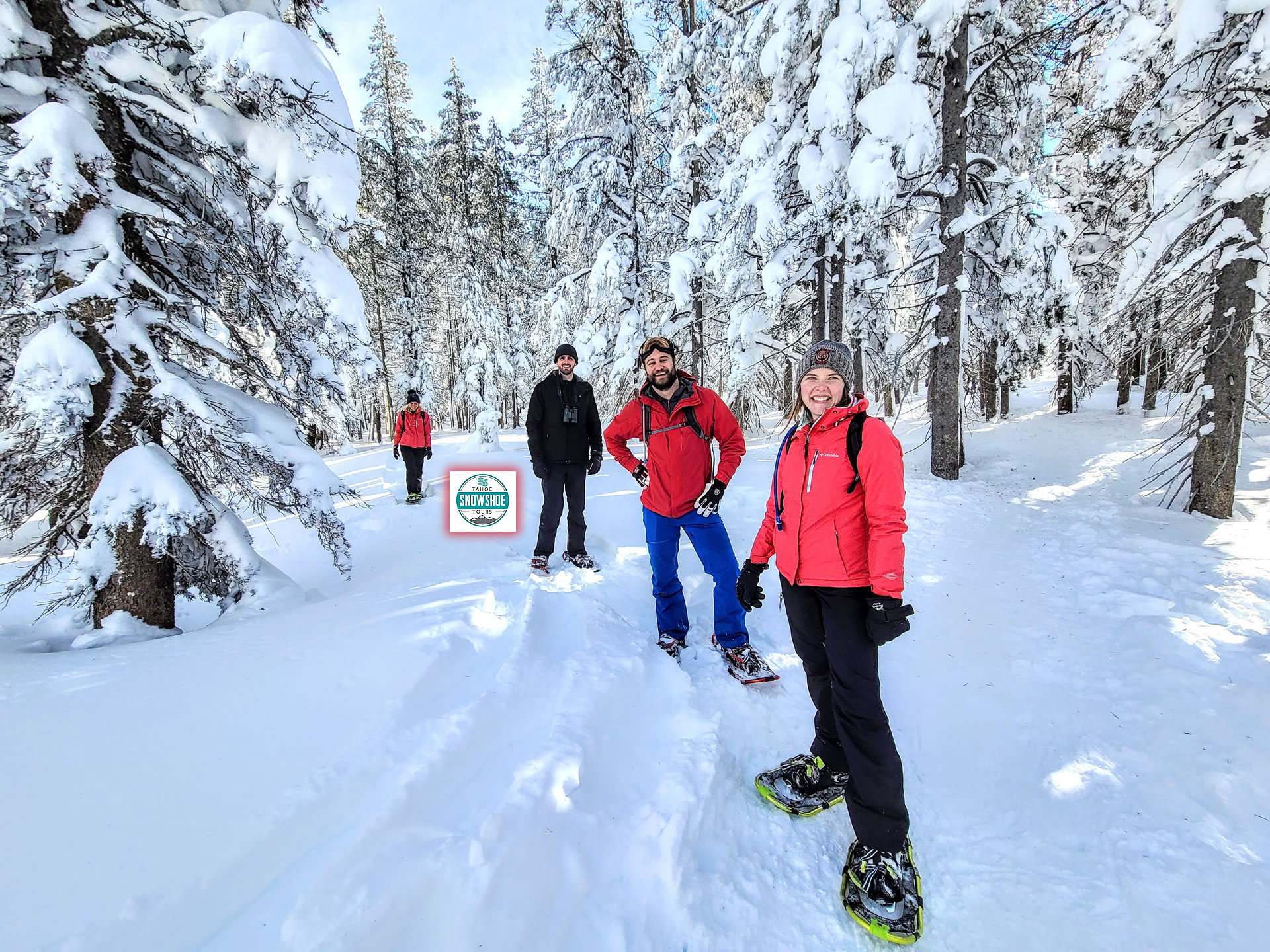
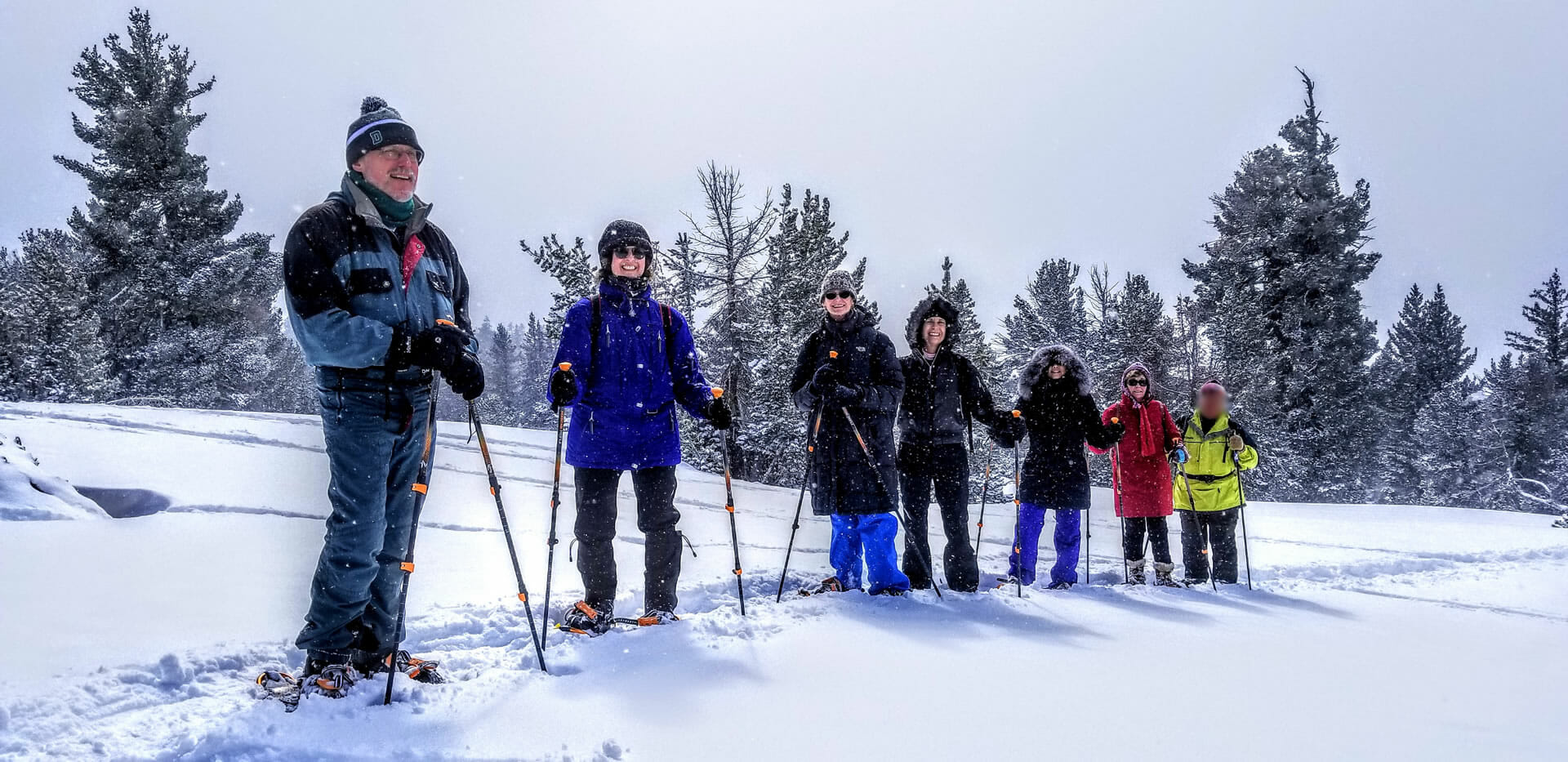
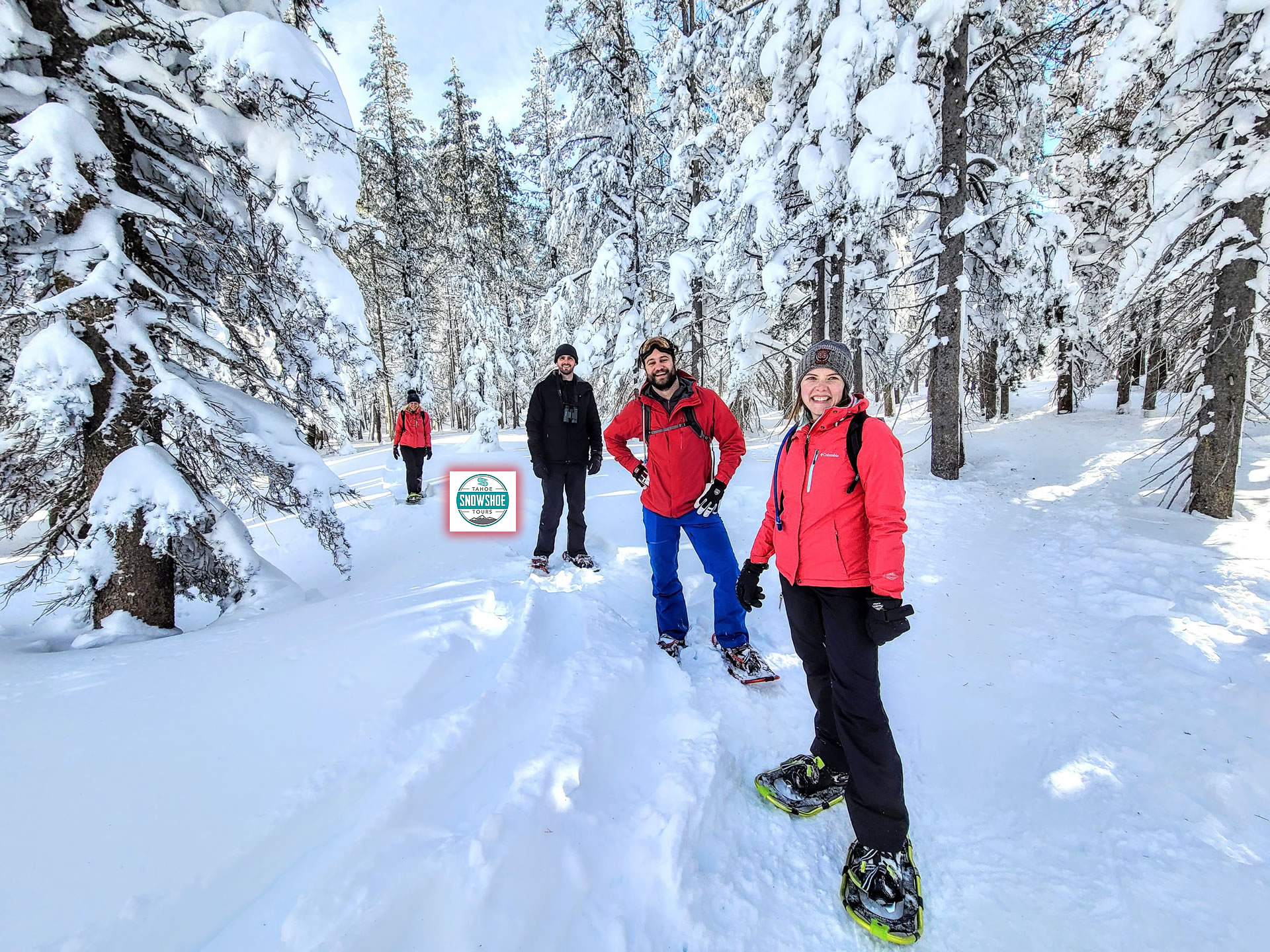
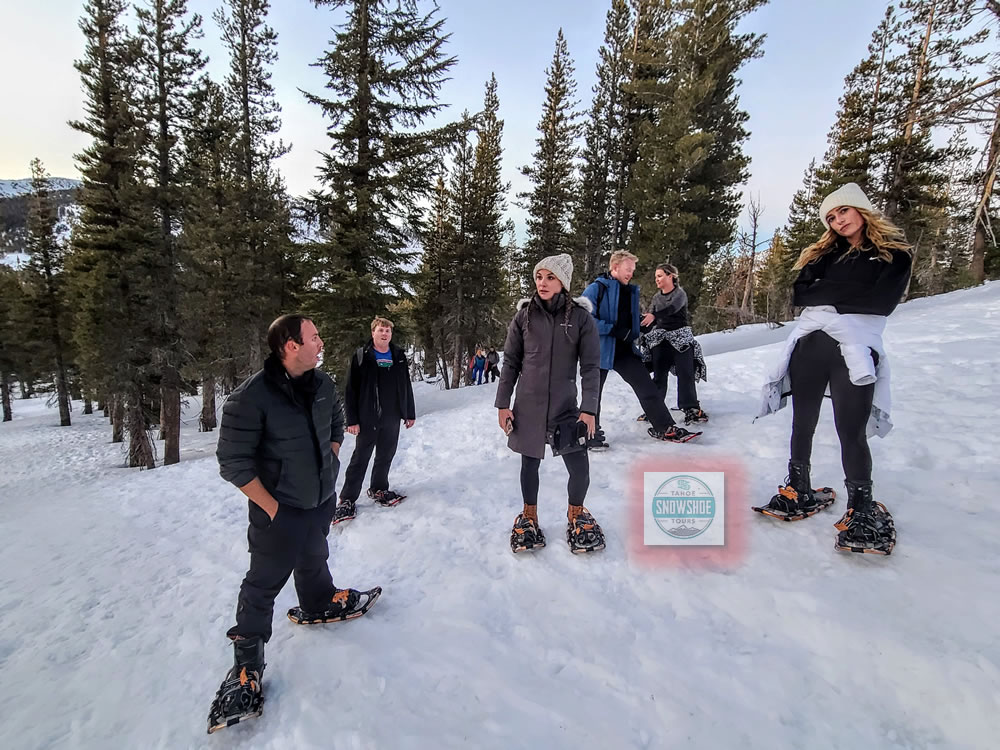
Space to laugh, talk, connect, and enjoy the wilderness
This is the difference between:
A snowshoe hike
and
A curated high-altitude wilderness experience.
🌄 Why Two Miles Deliver the Best Views in Tahoe
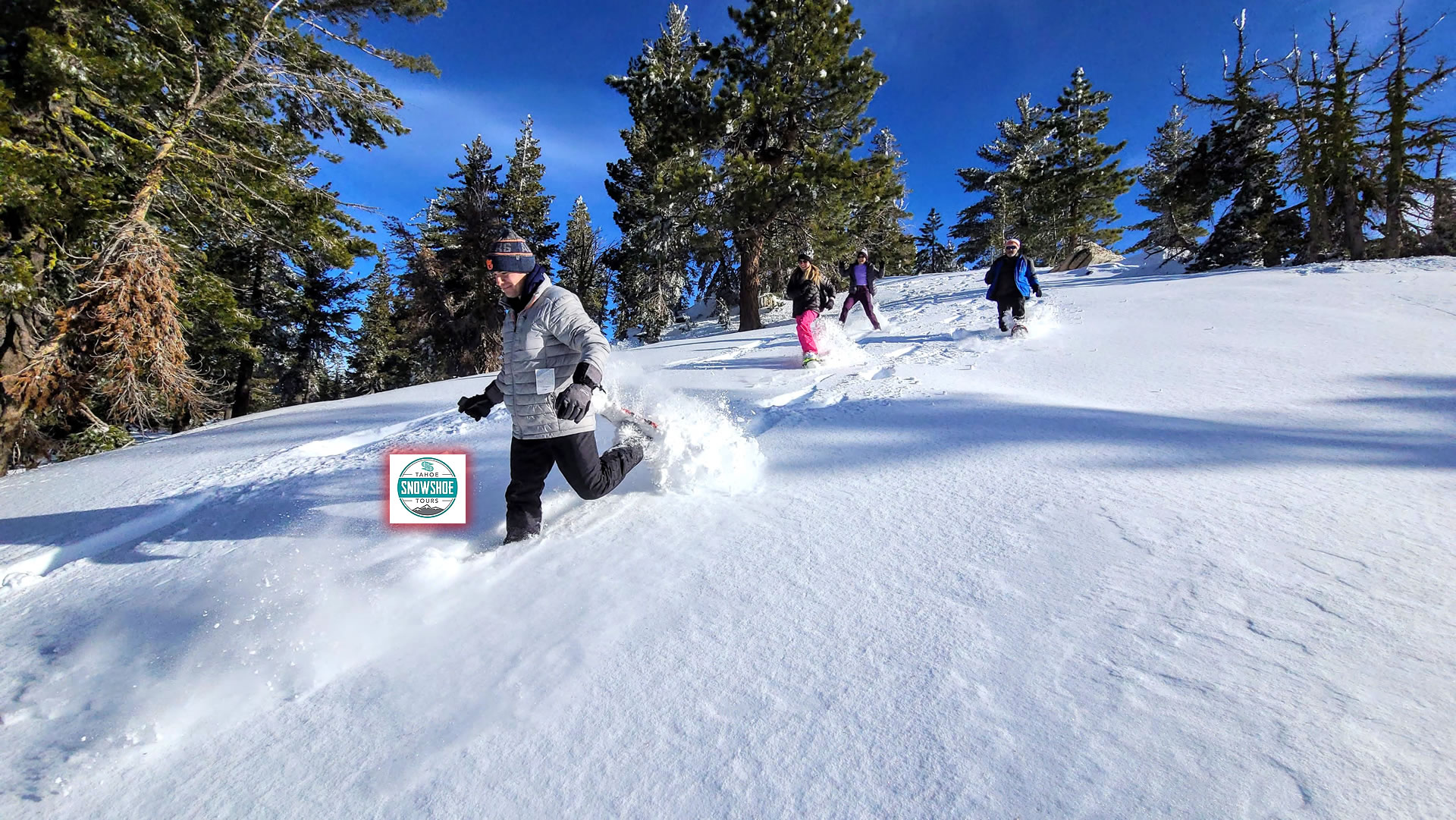
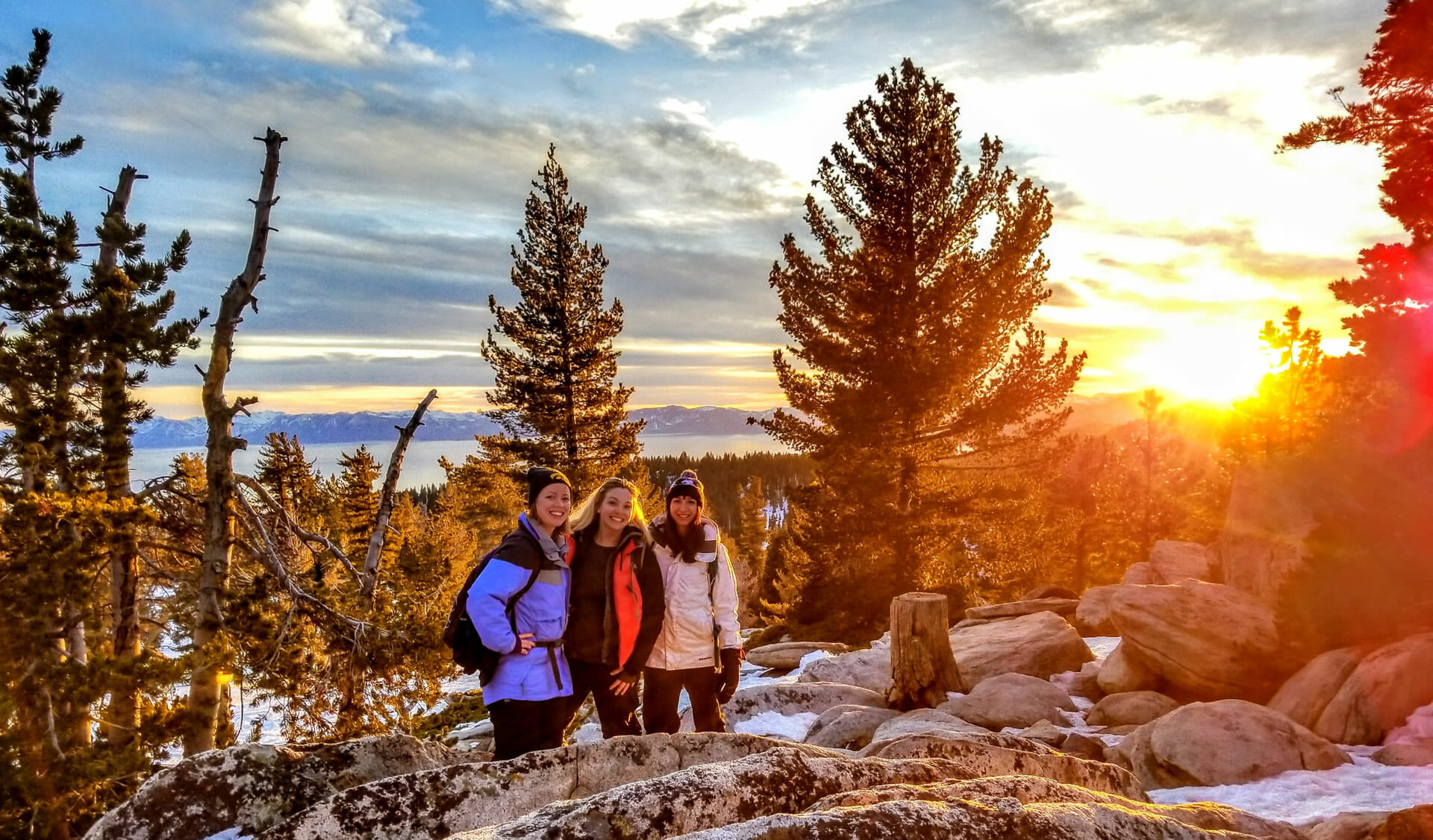
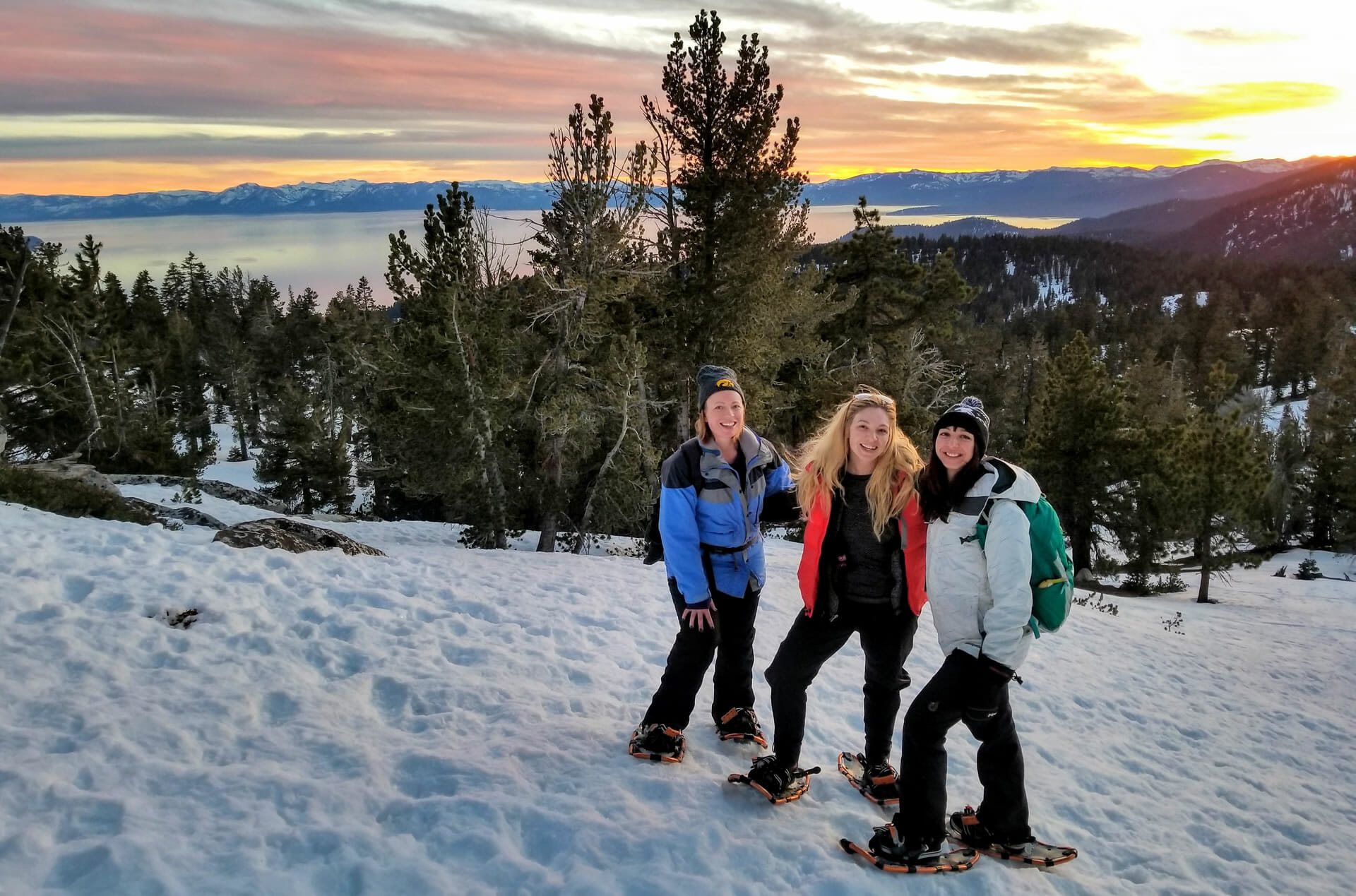
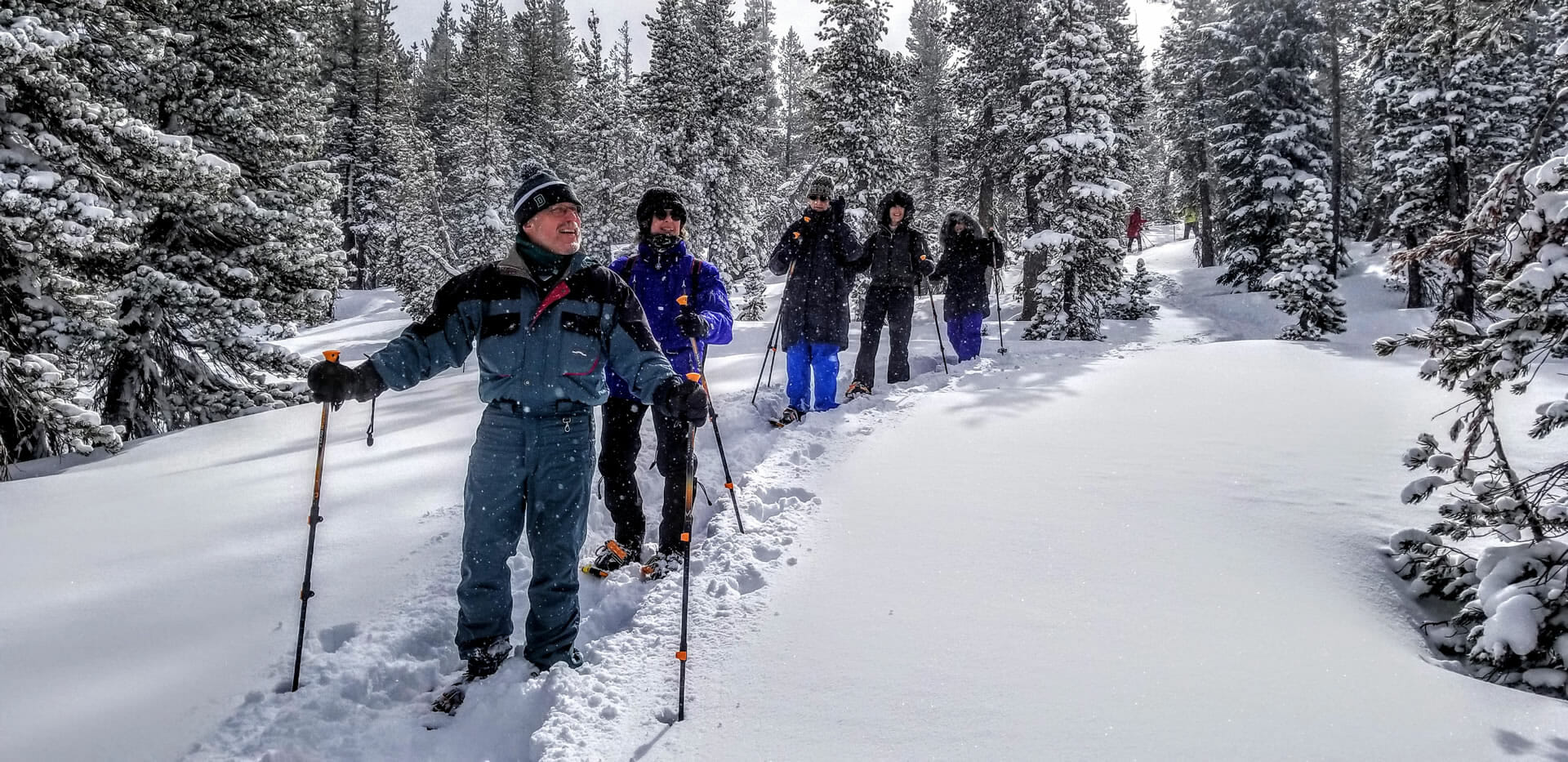
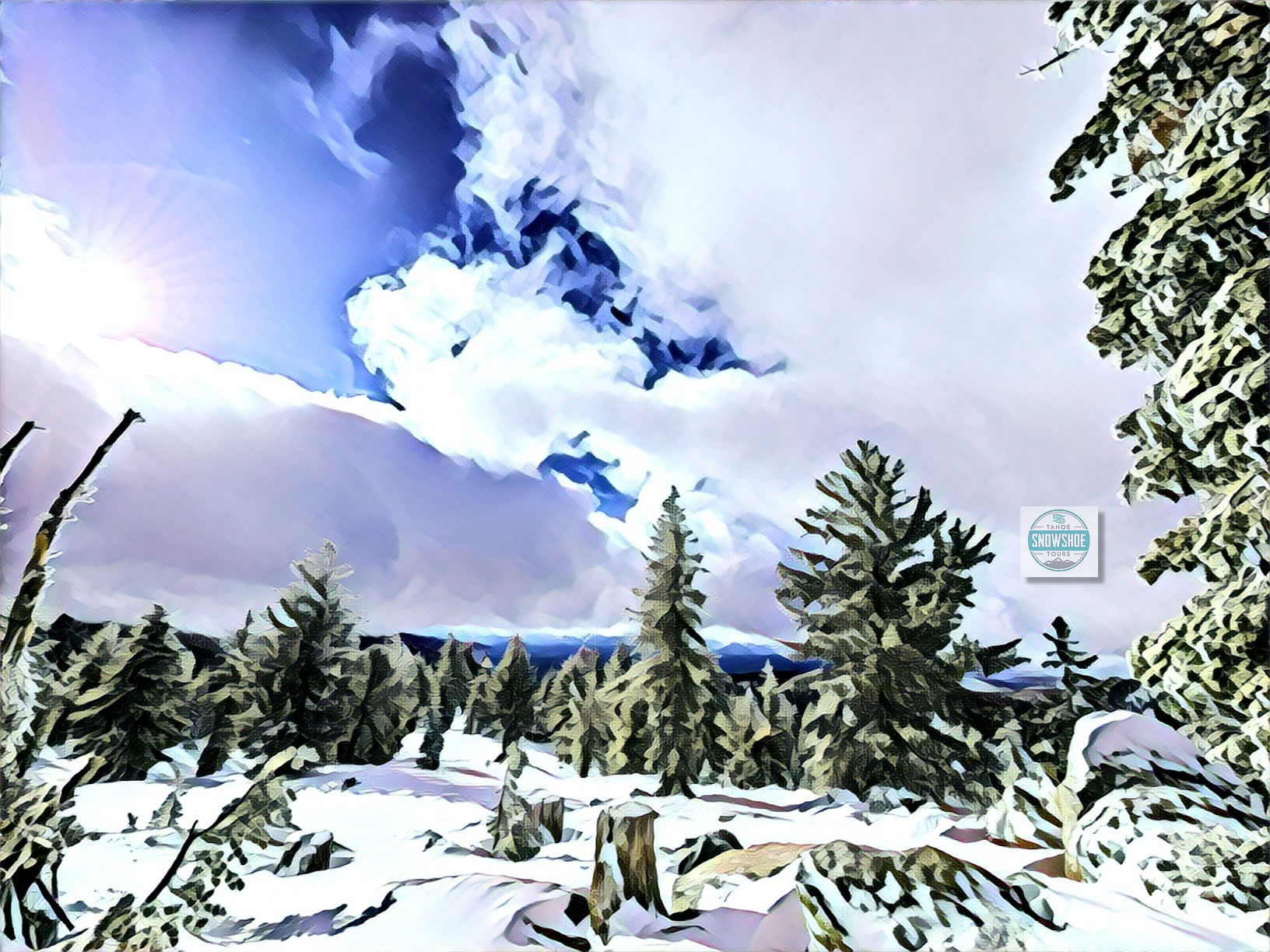
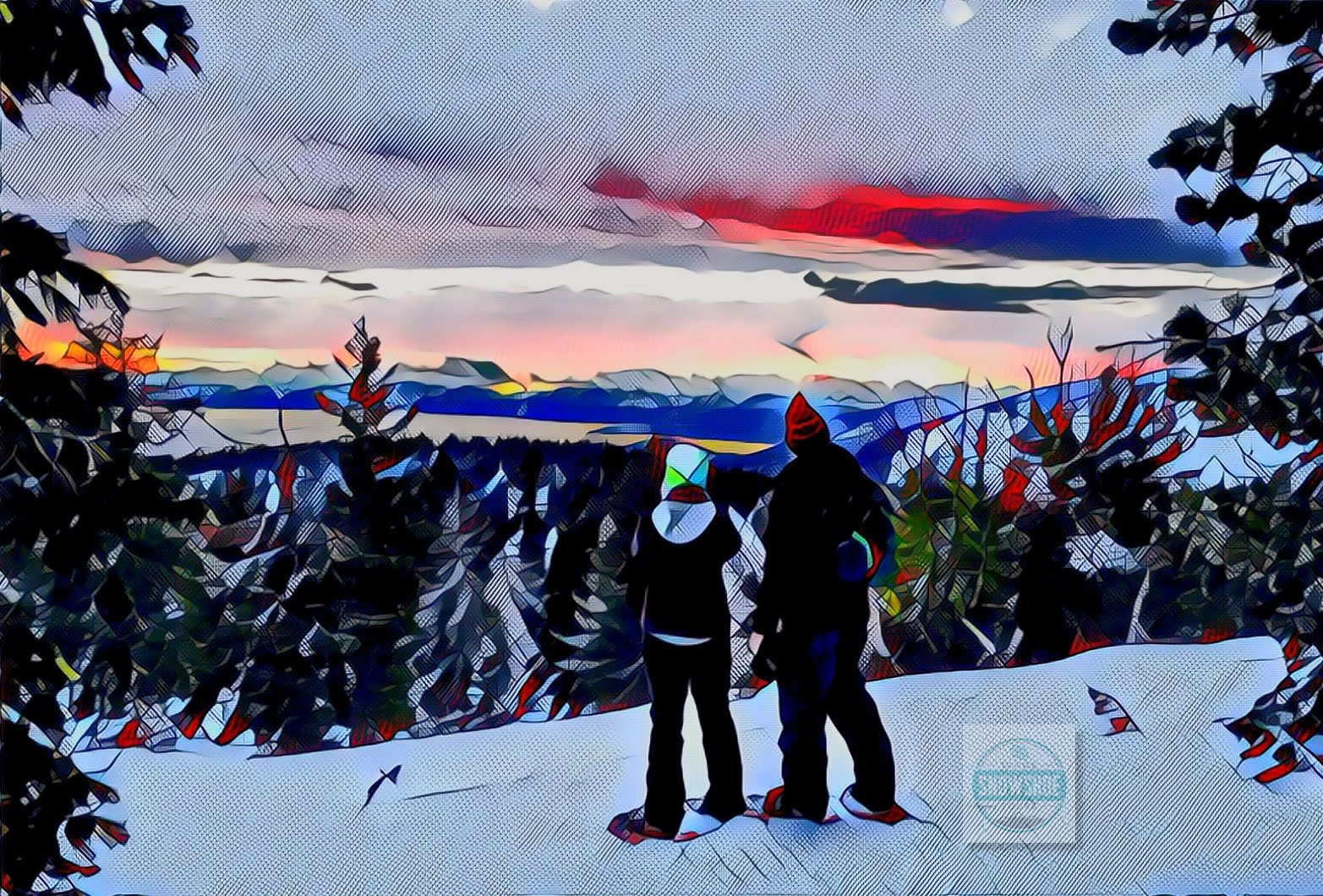
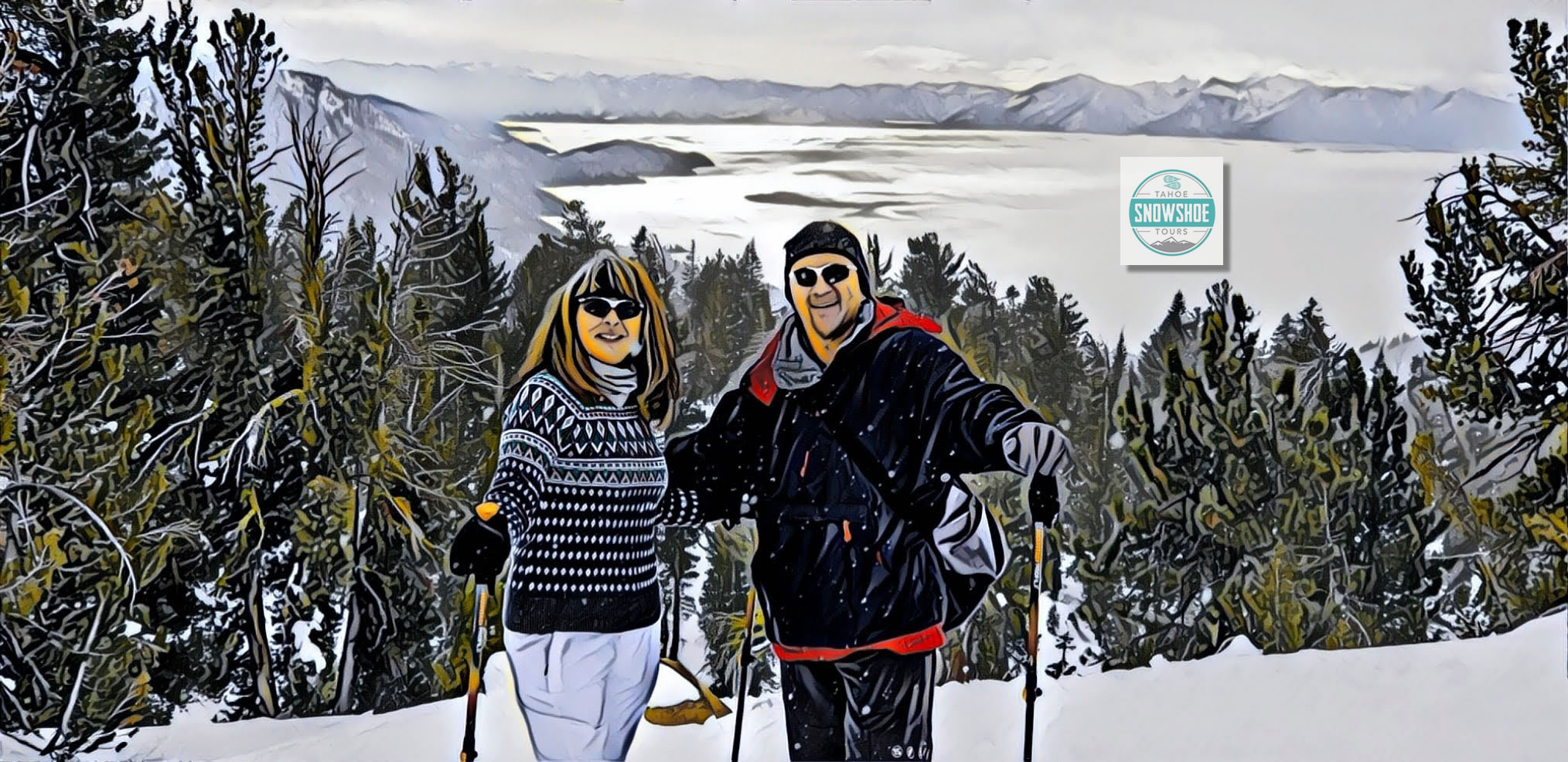
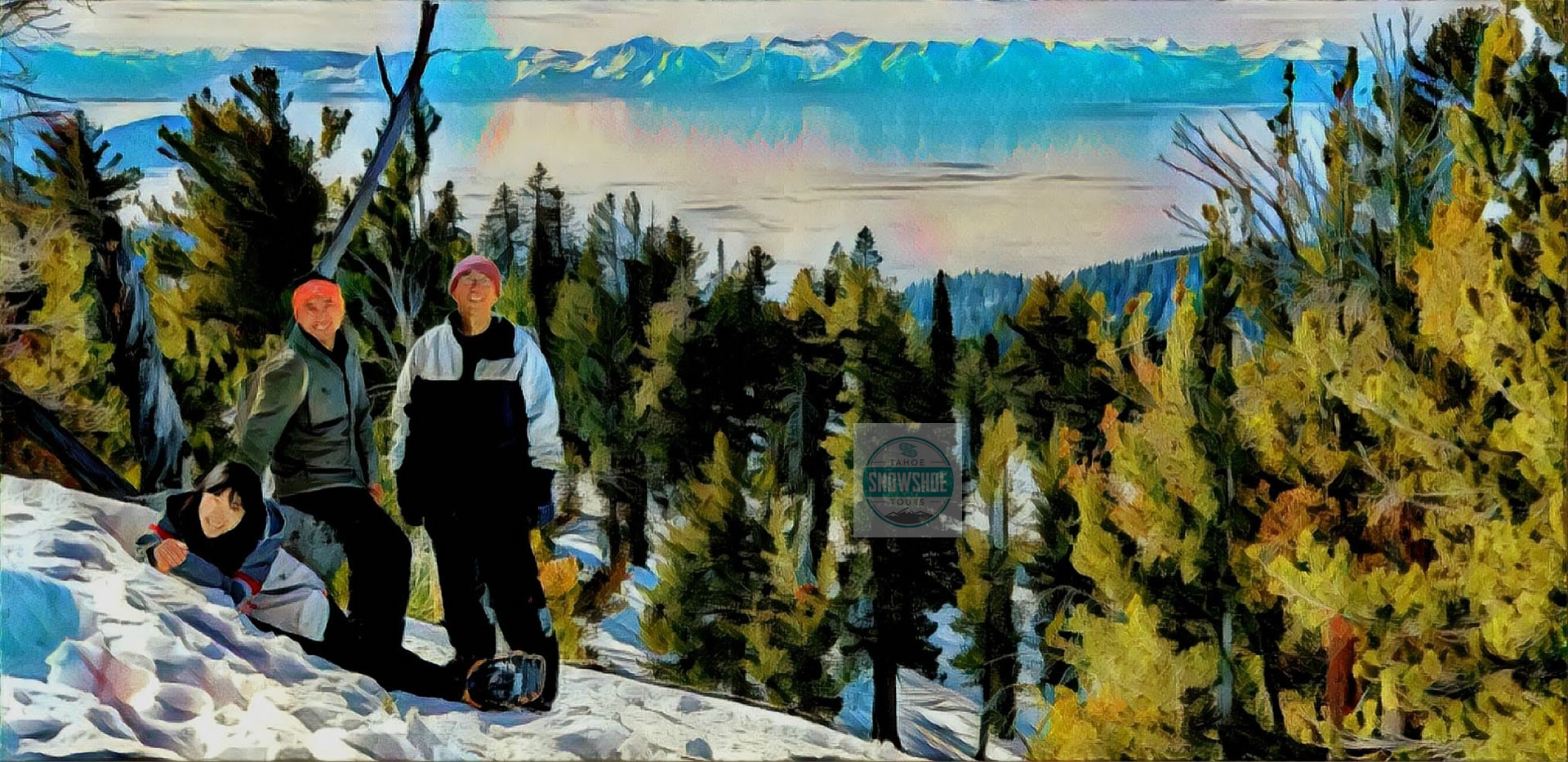
At our elevation, the terrain opens up dramatically. By the time you’ve covered two miles, you’ve already:
-
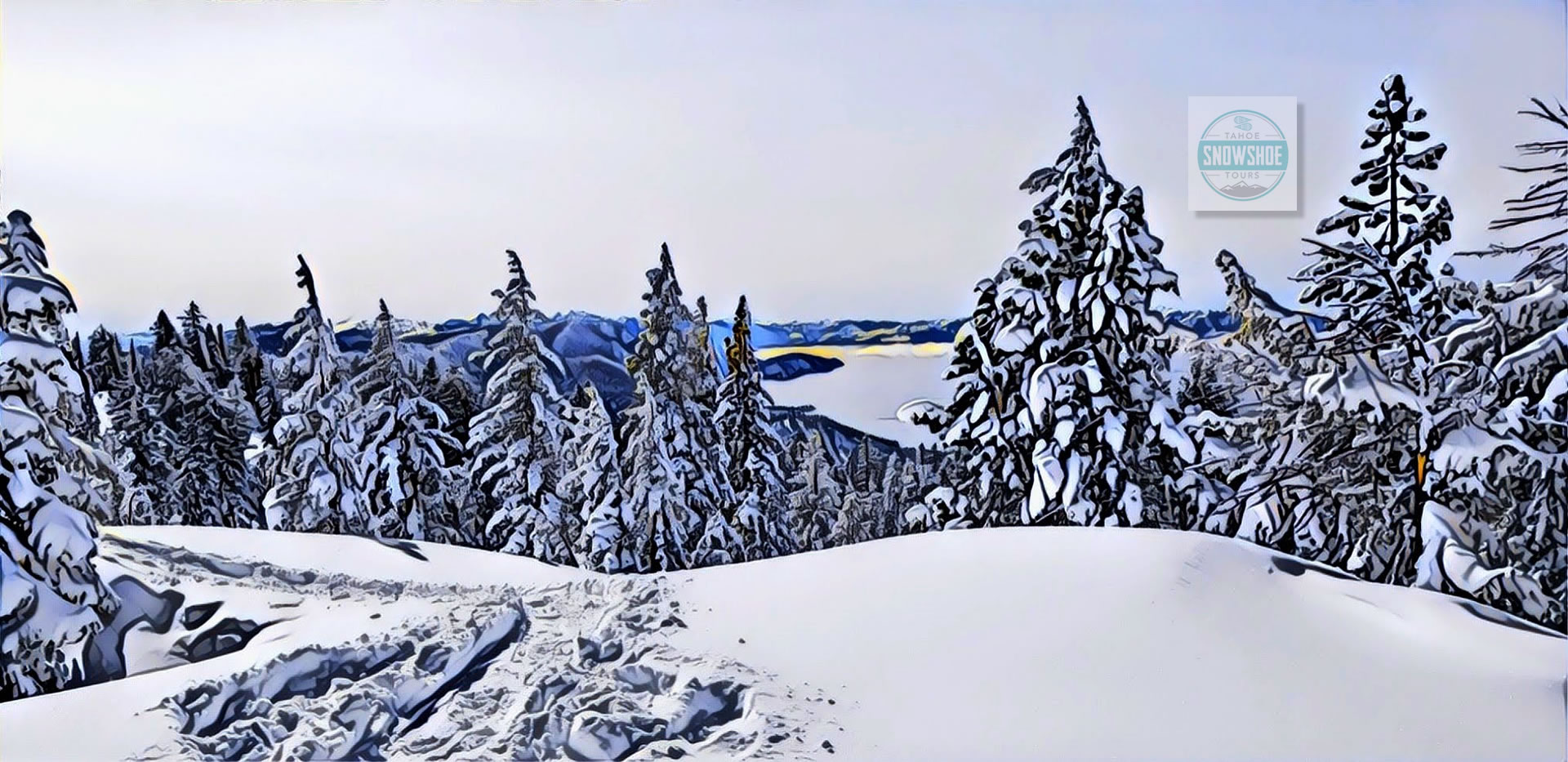
Climbed above the lake basin
-
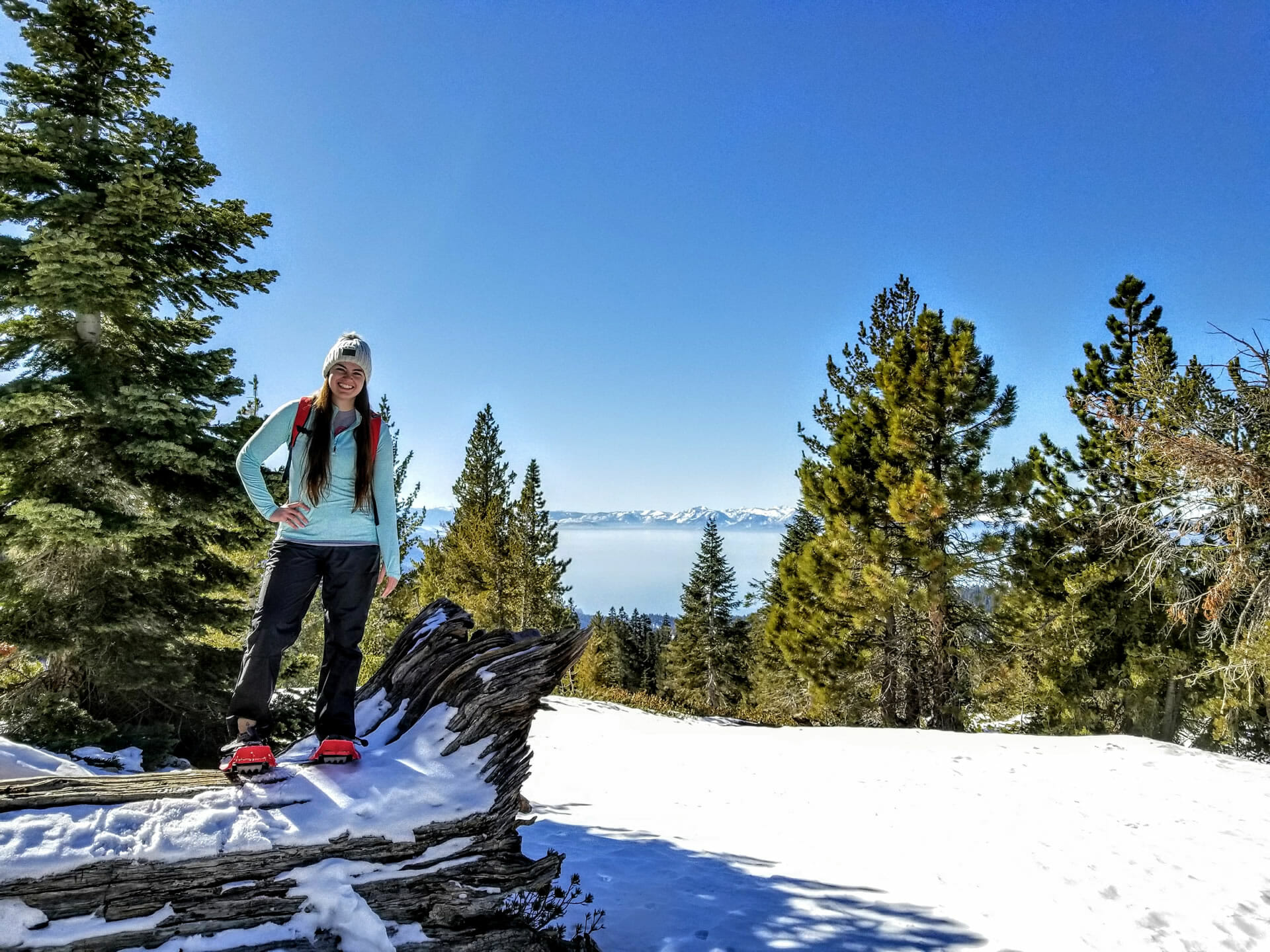
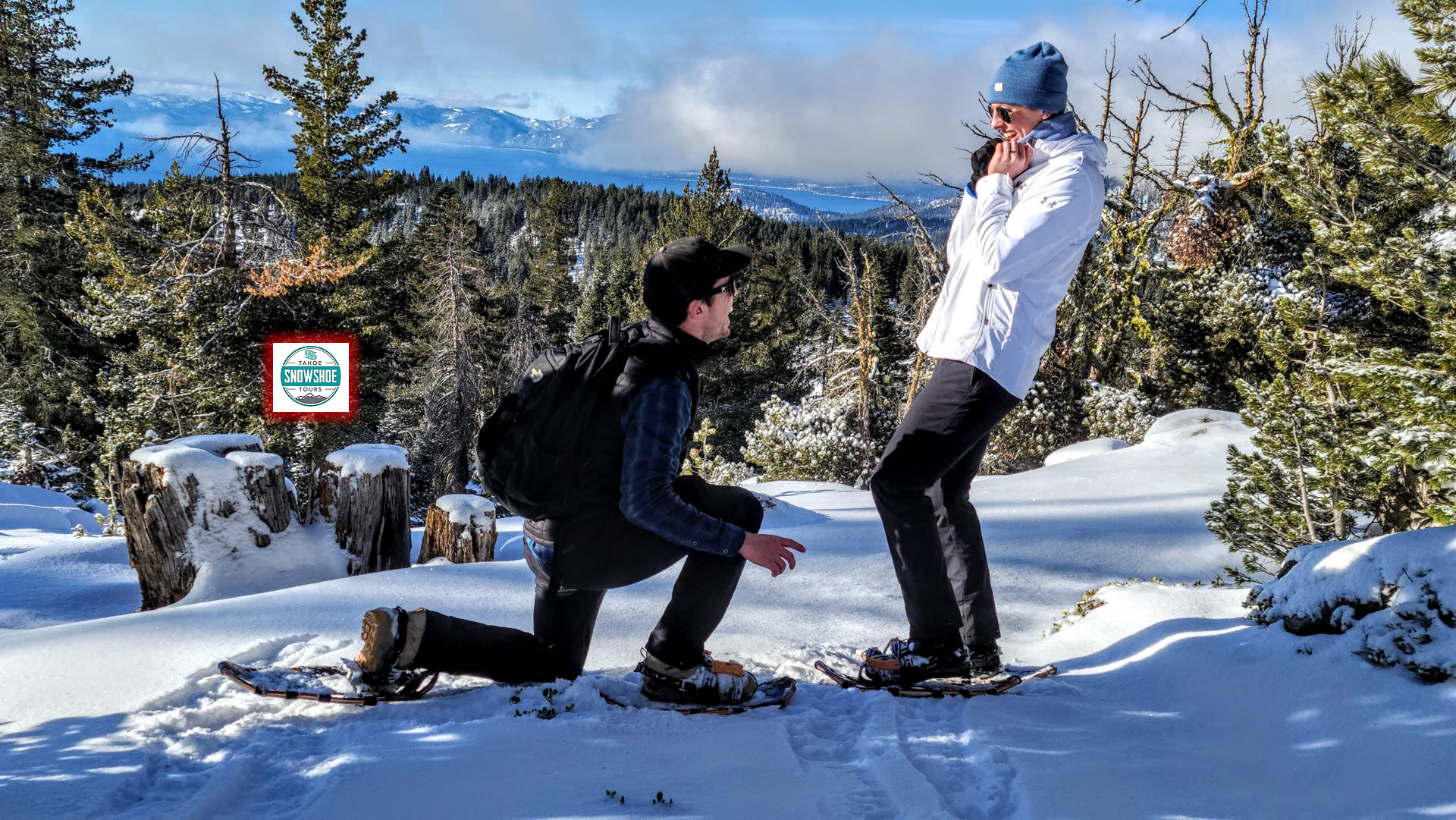
Reached multiple scenic overlooks
-
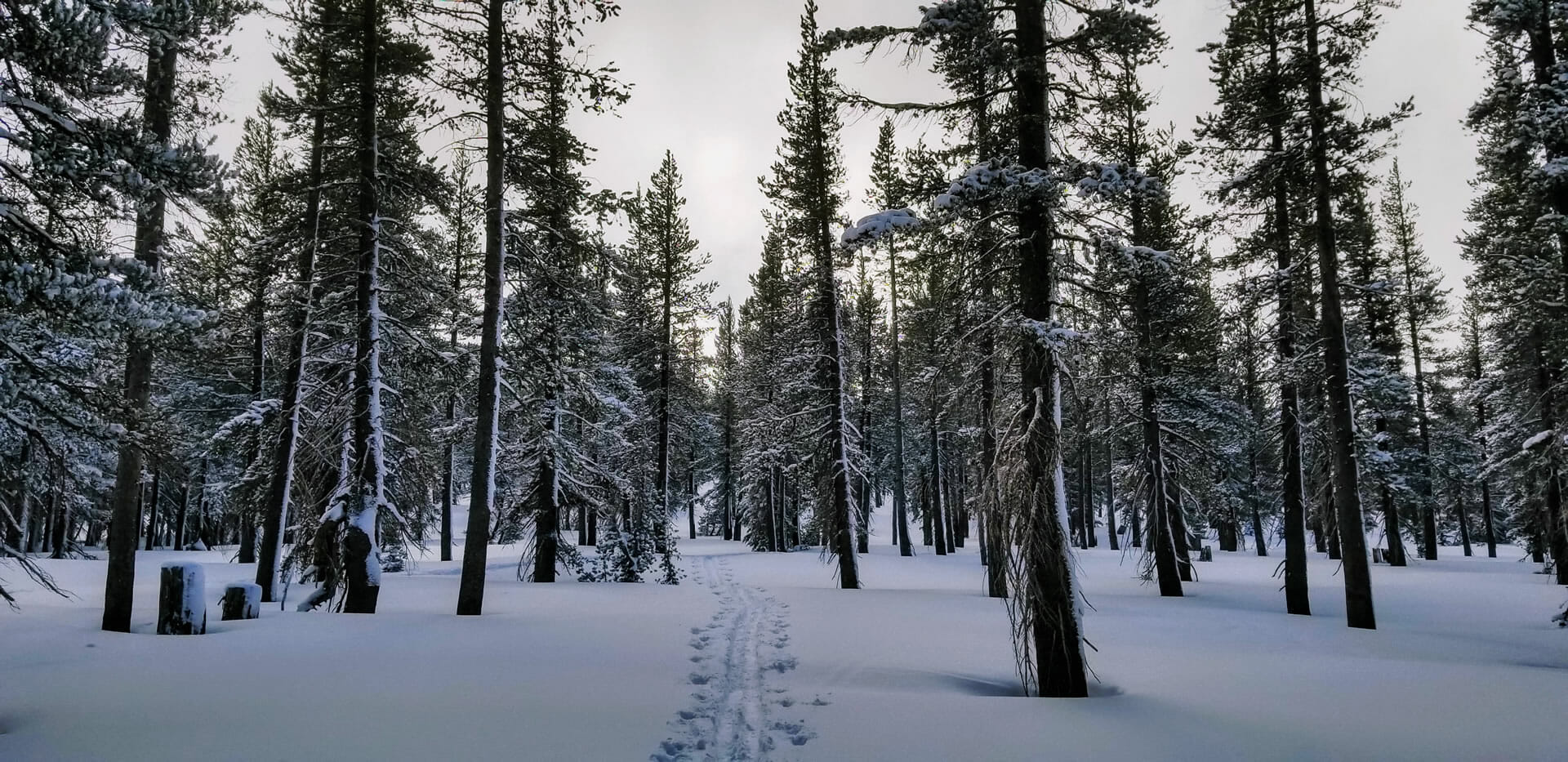
Experienced deep forest, open snow fields, and ridge lines
-
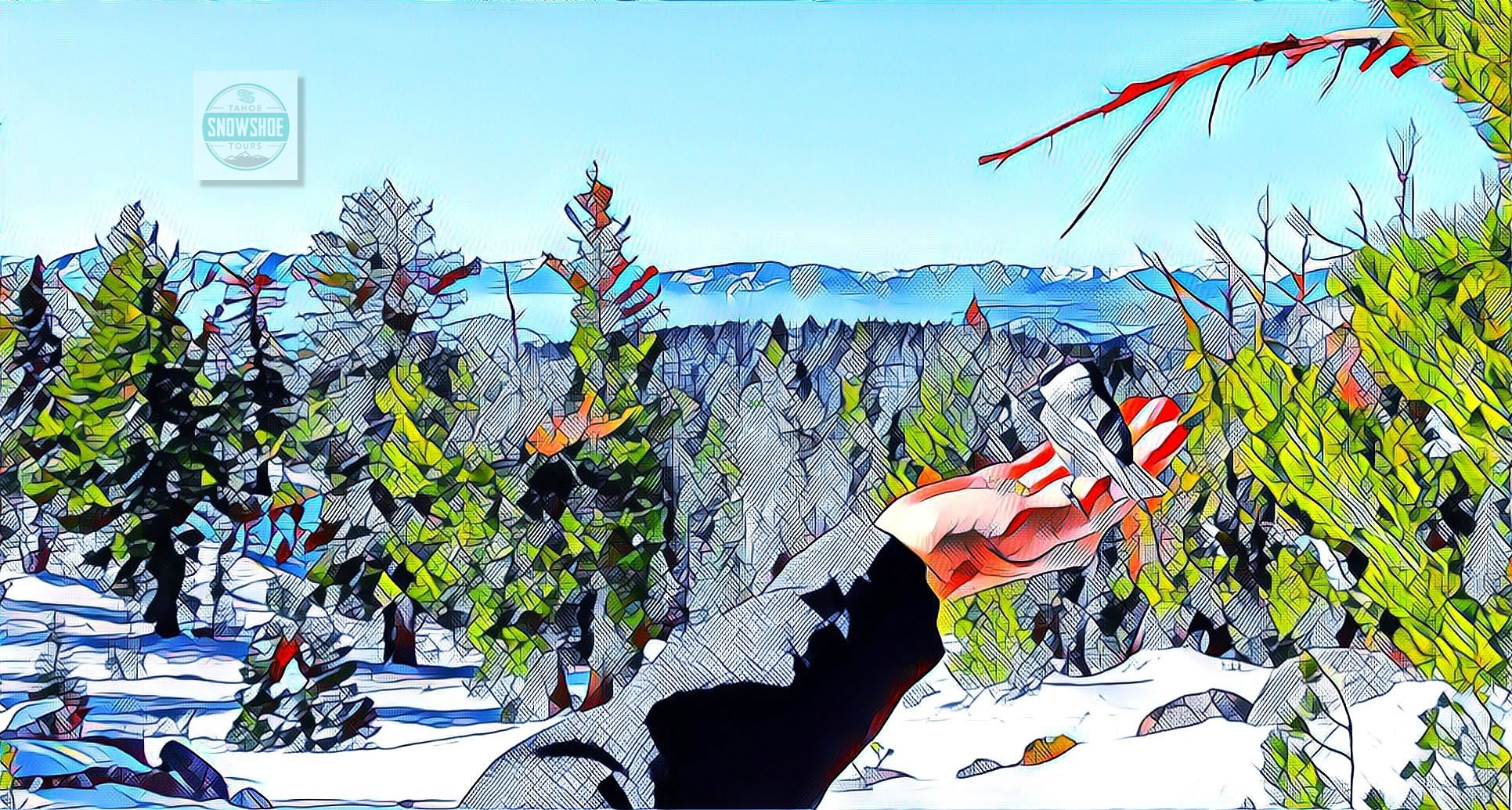
Had wild birds land on your hand
-
Seen raptors riding thermals
-
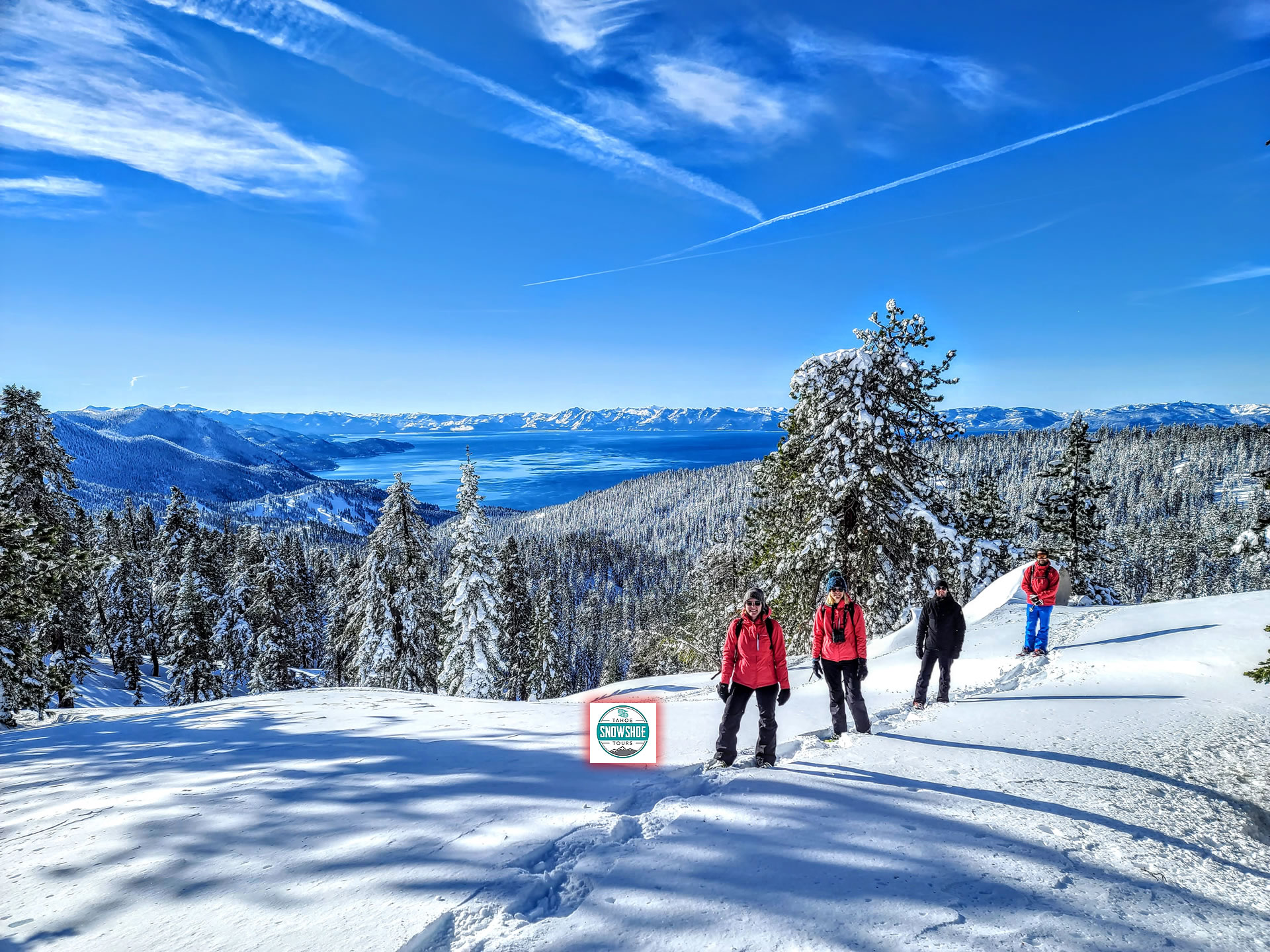
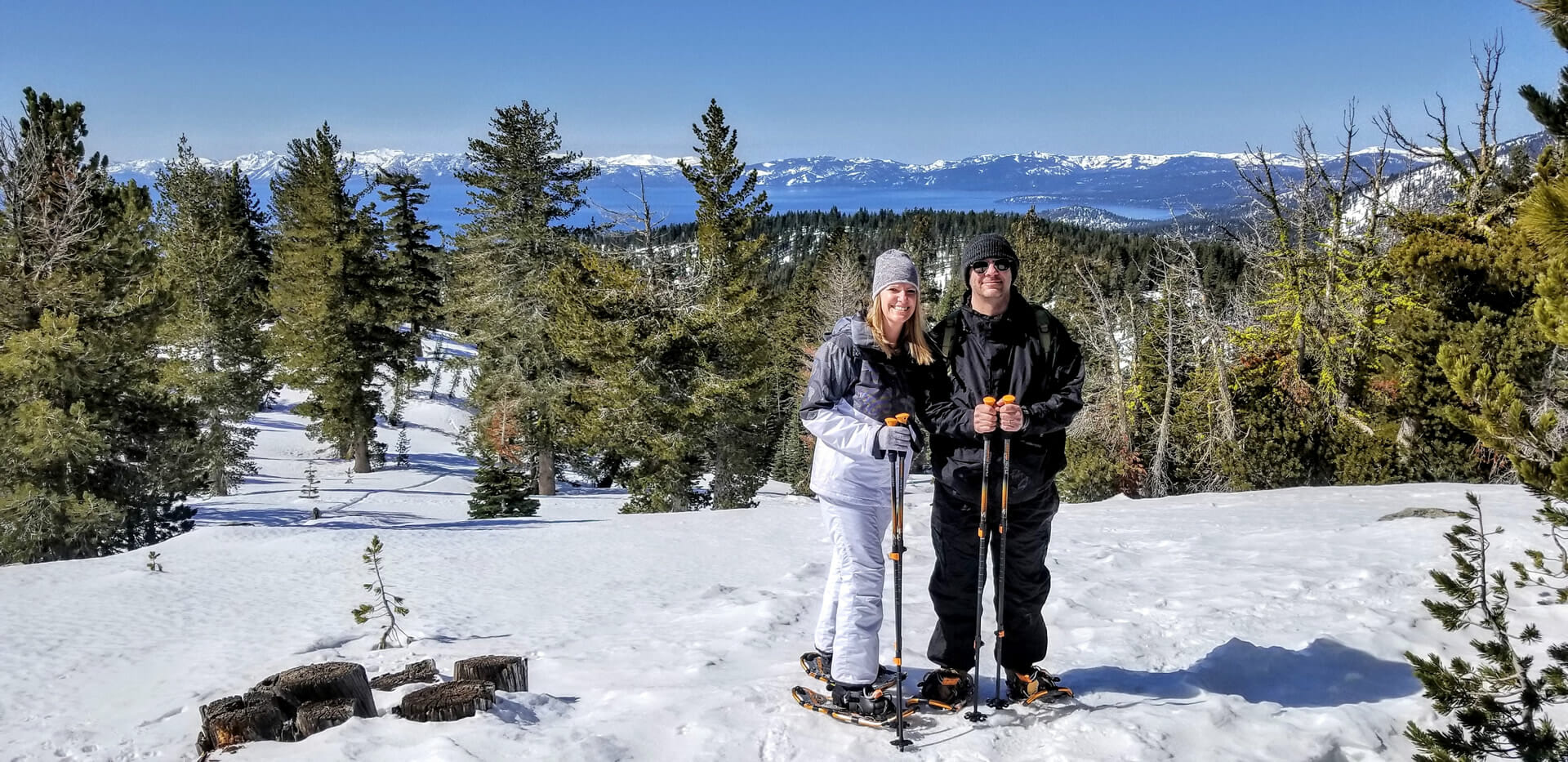
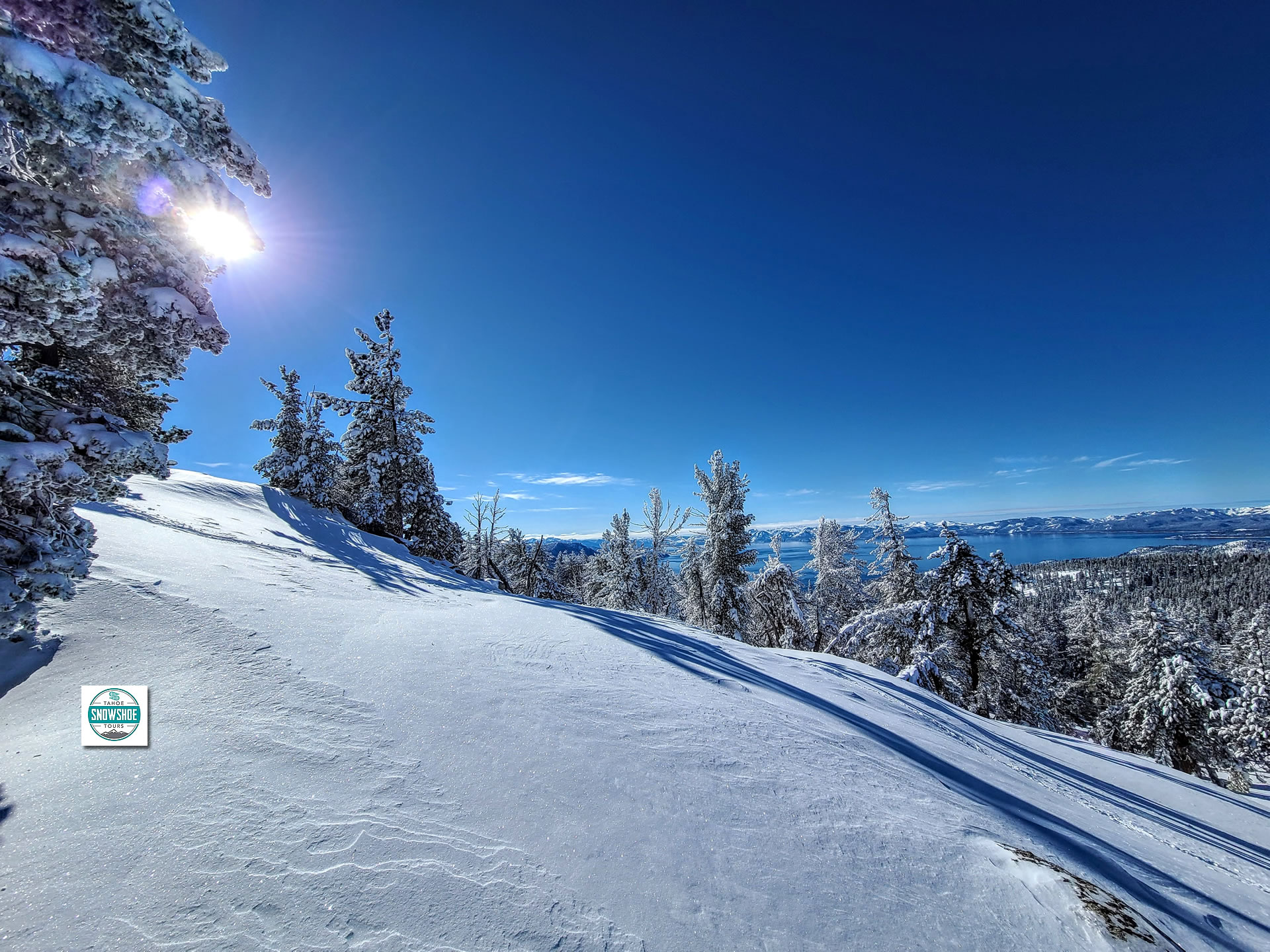
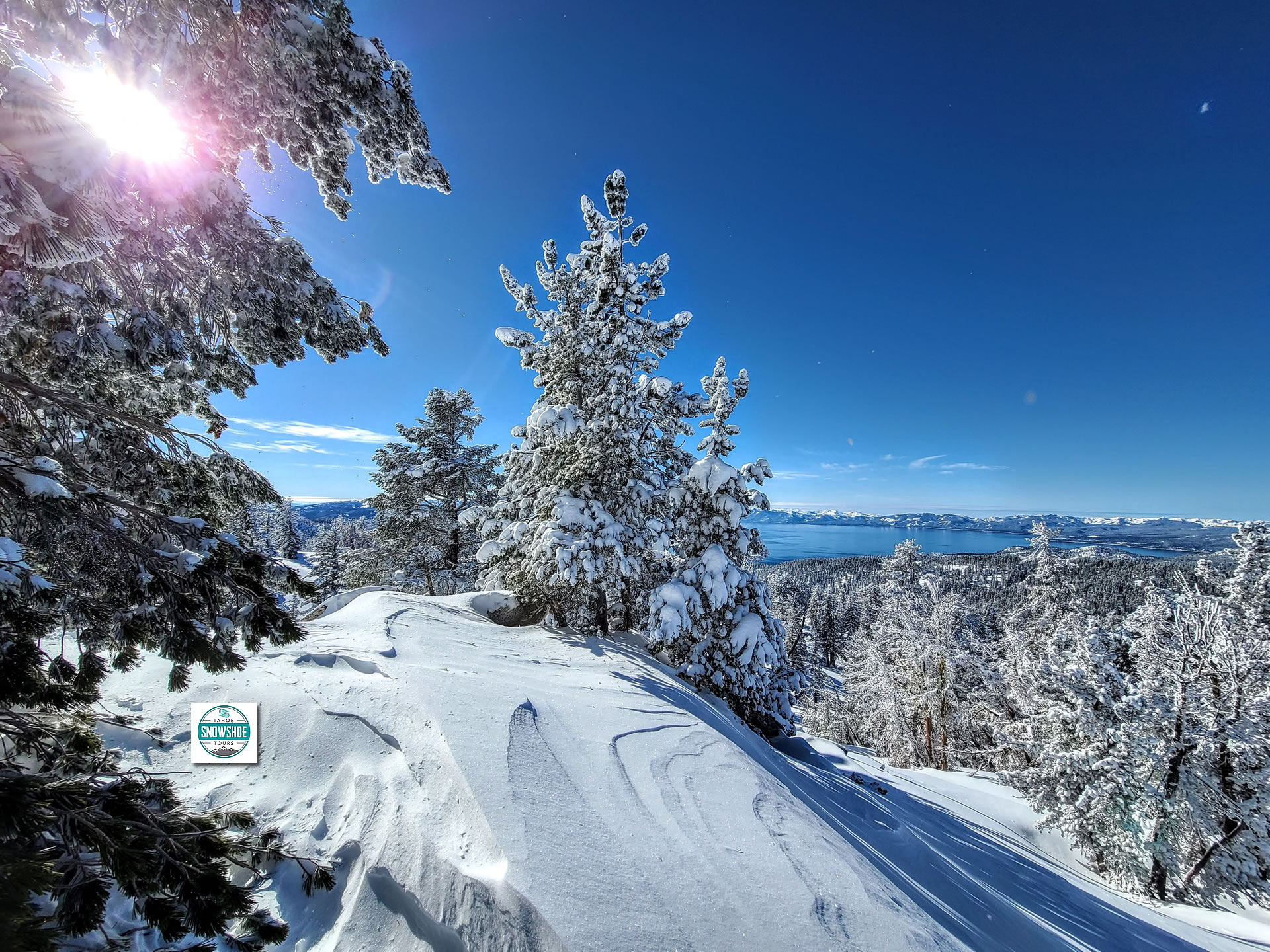
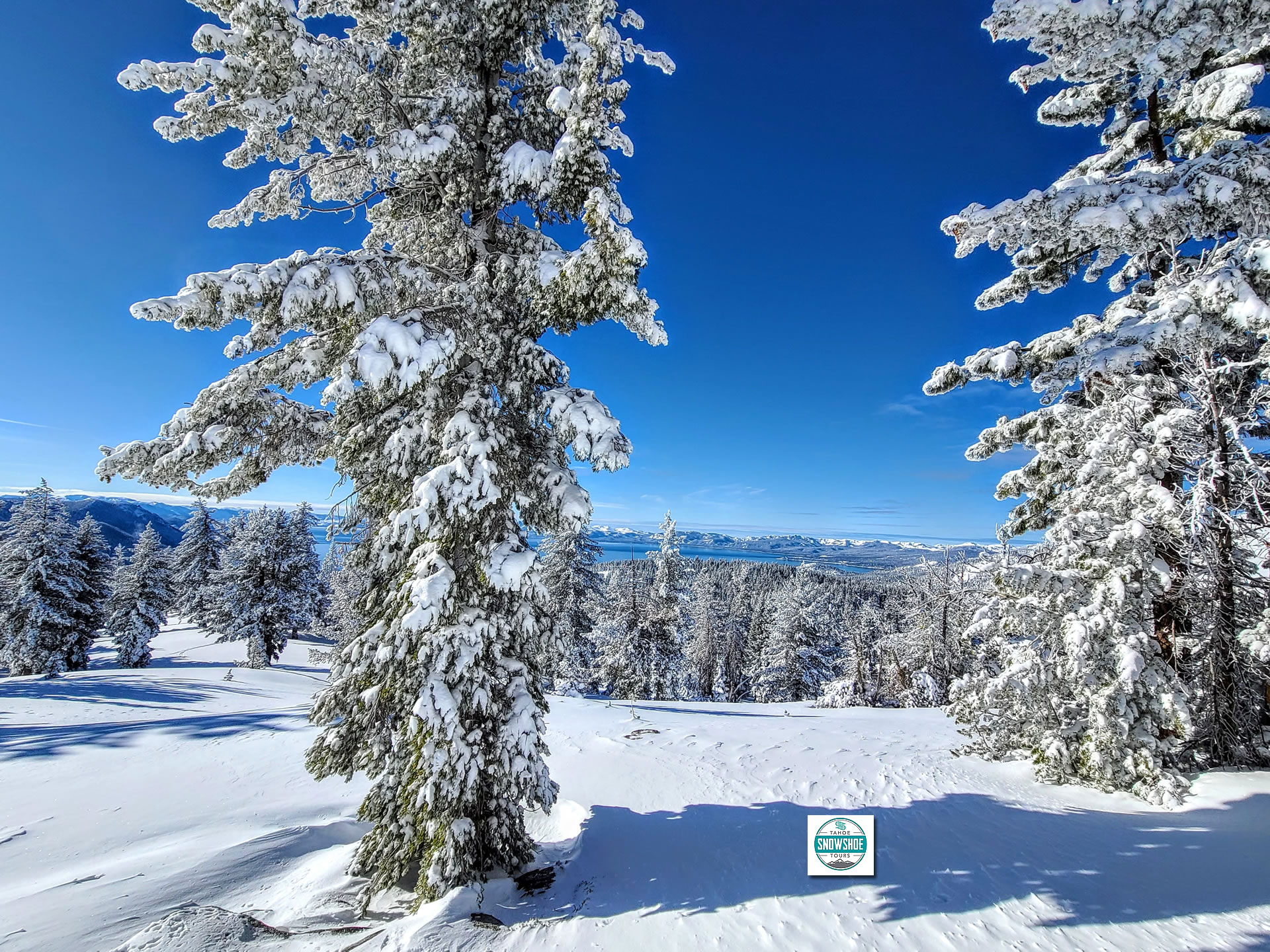
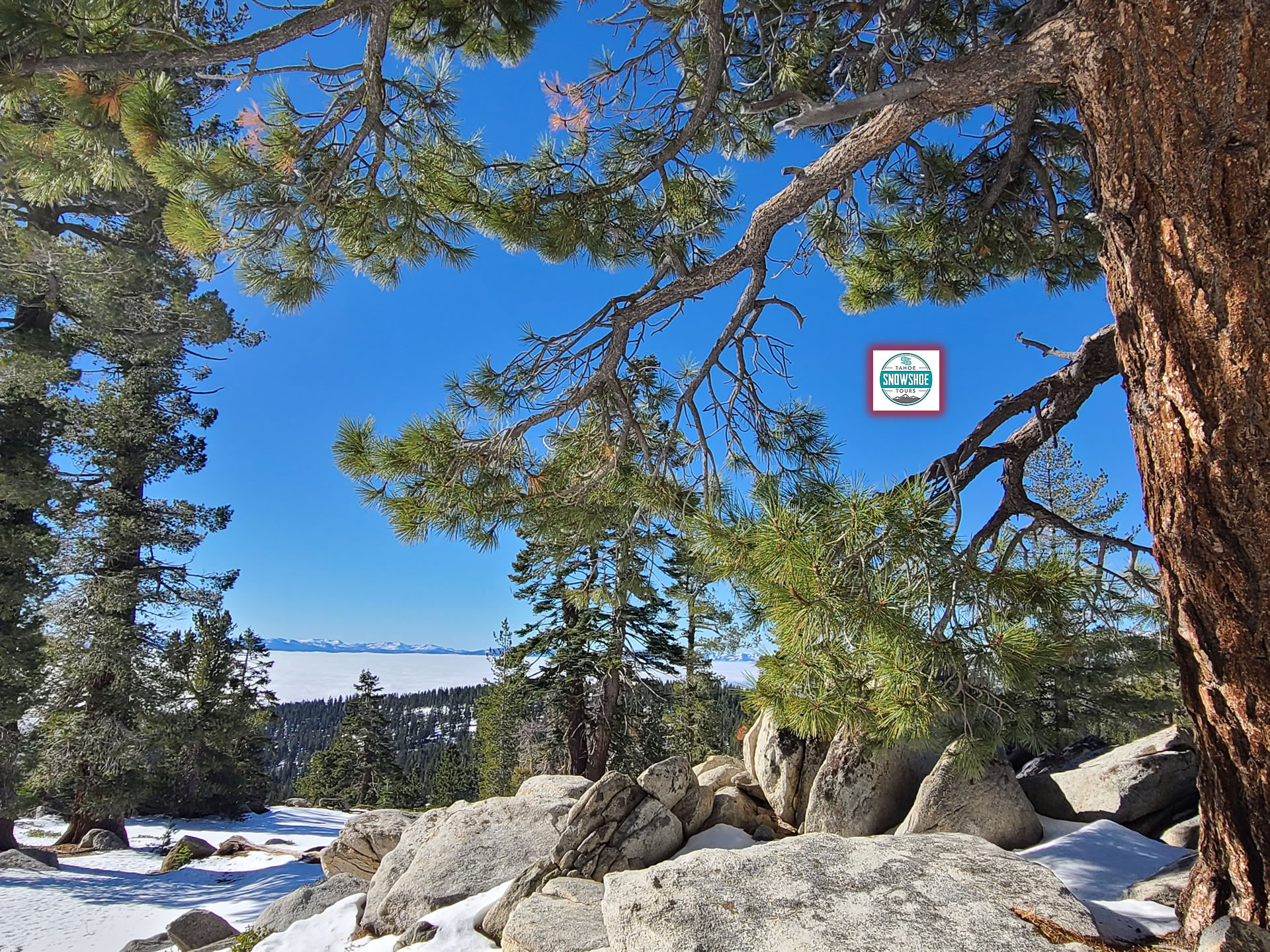
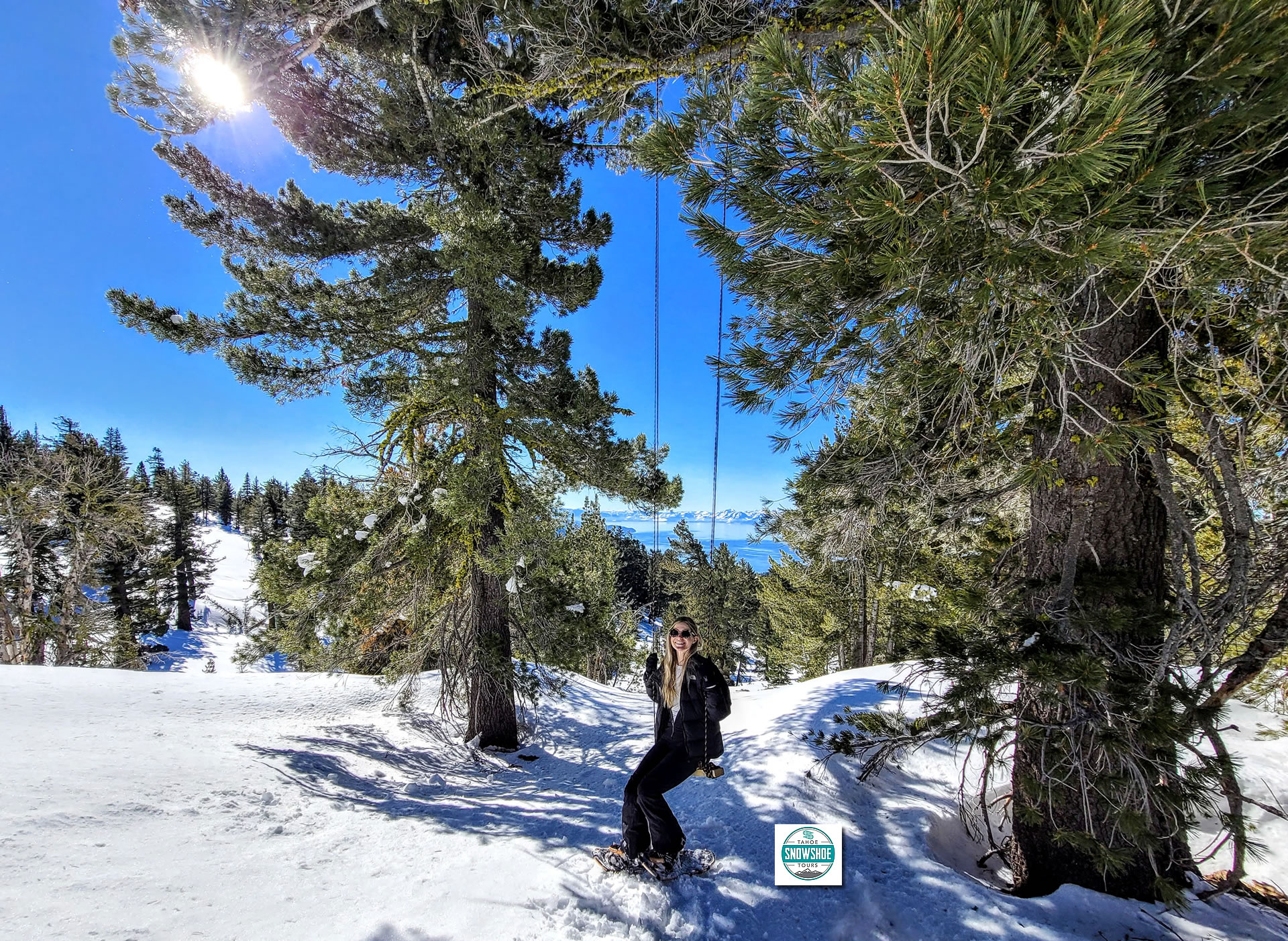
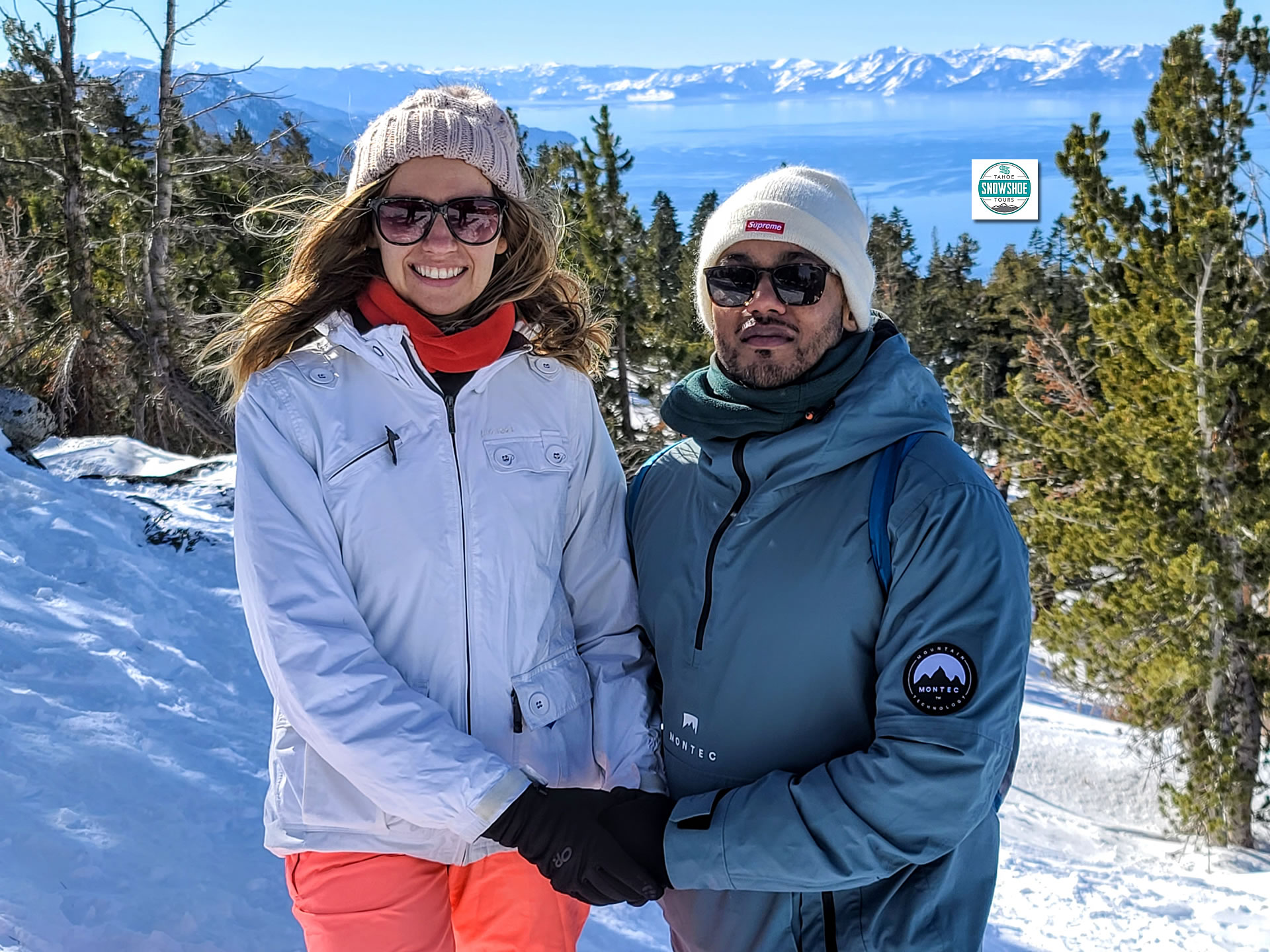
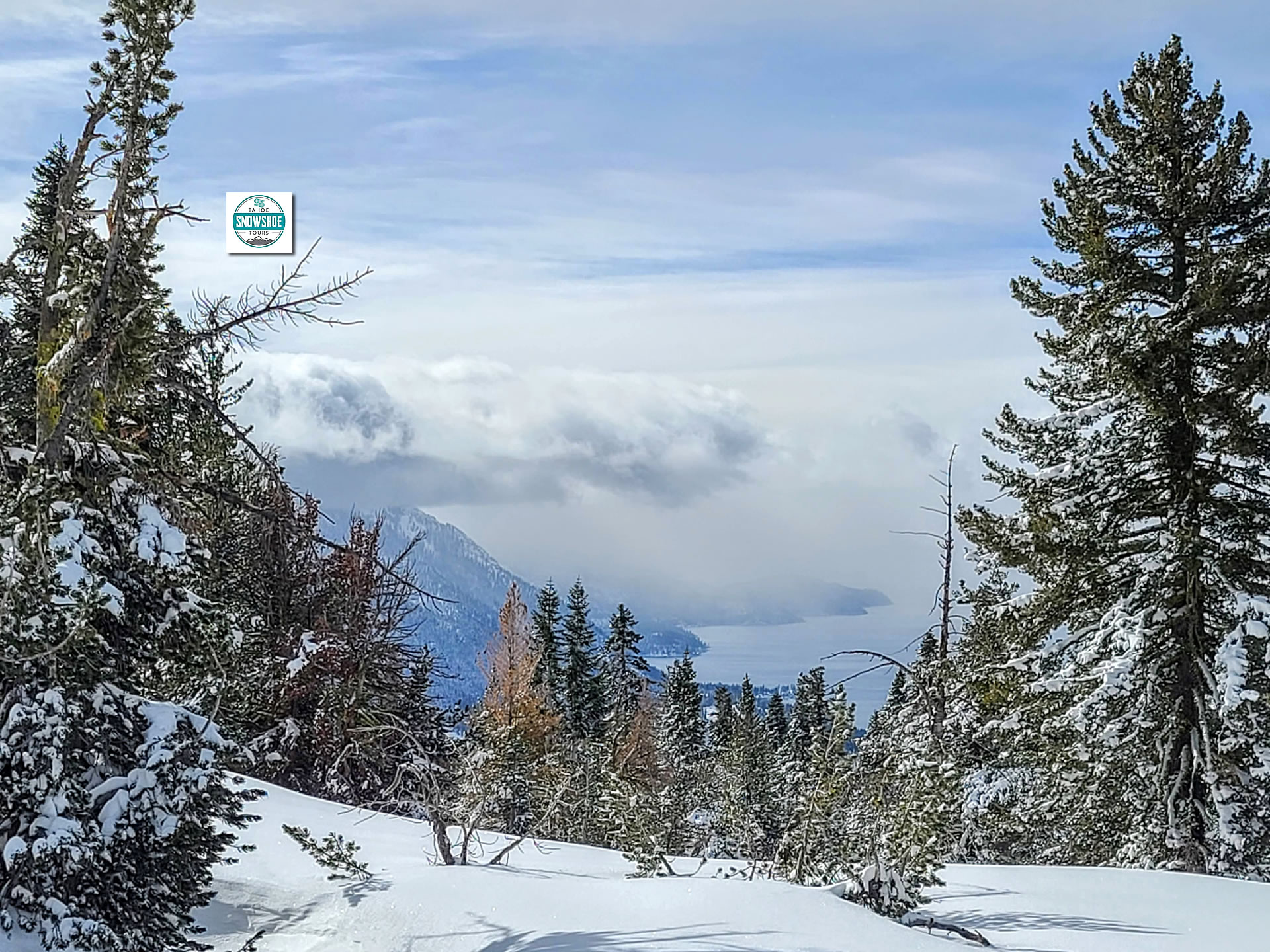
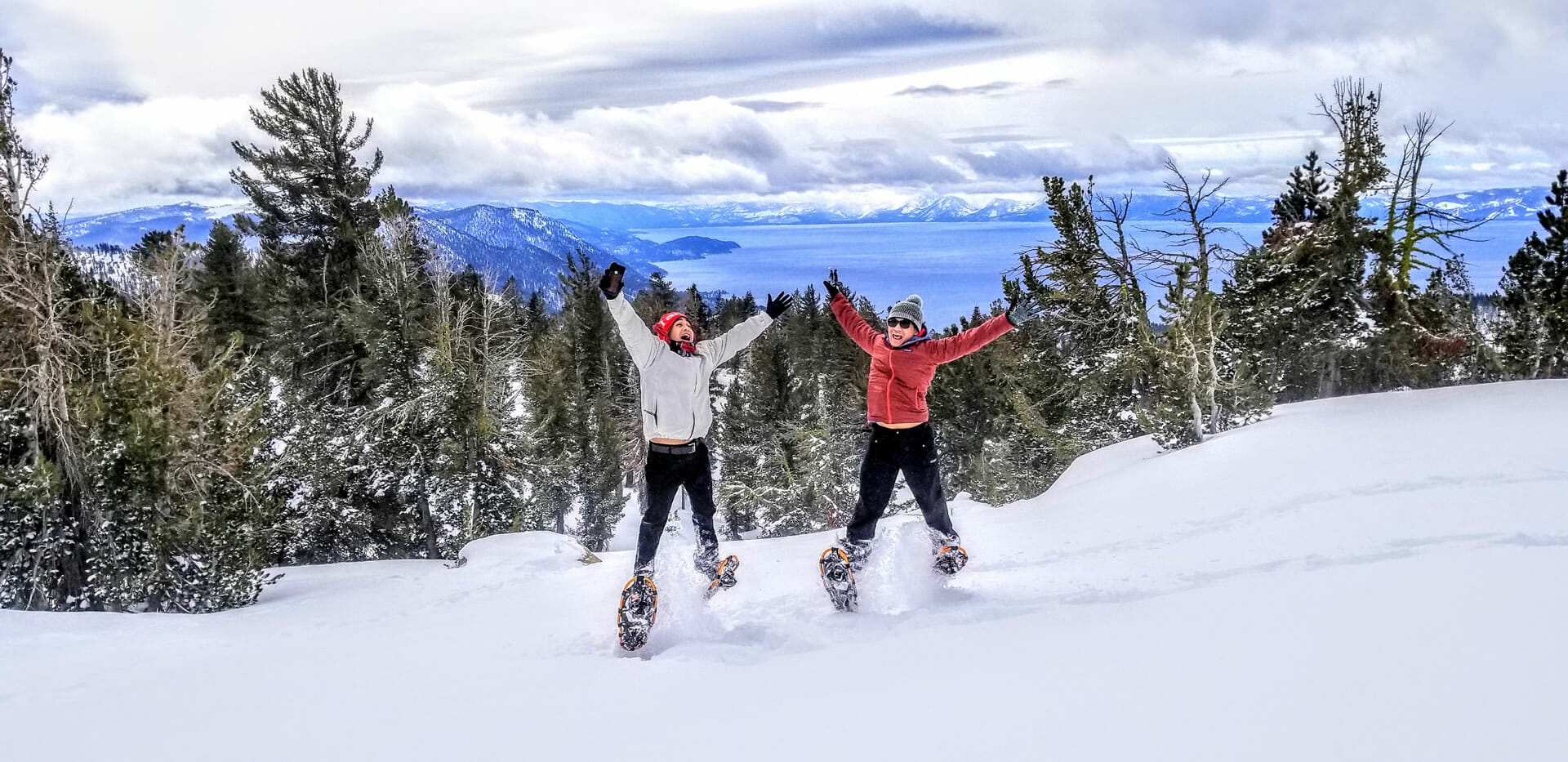
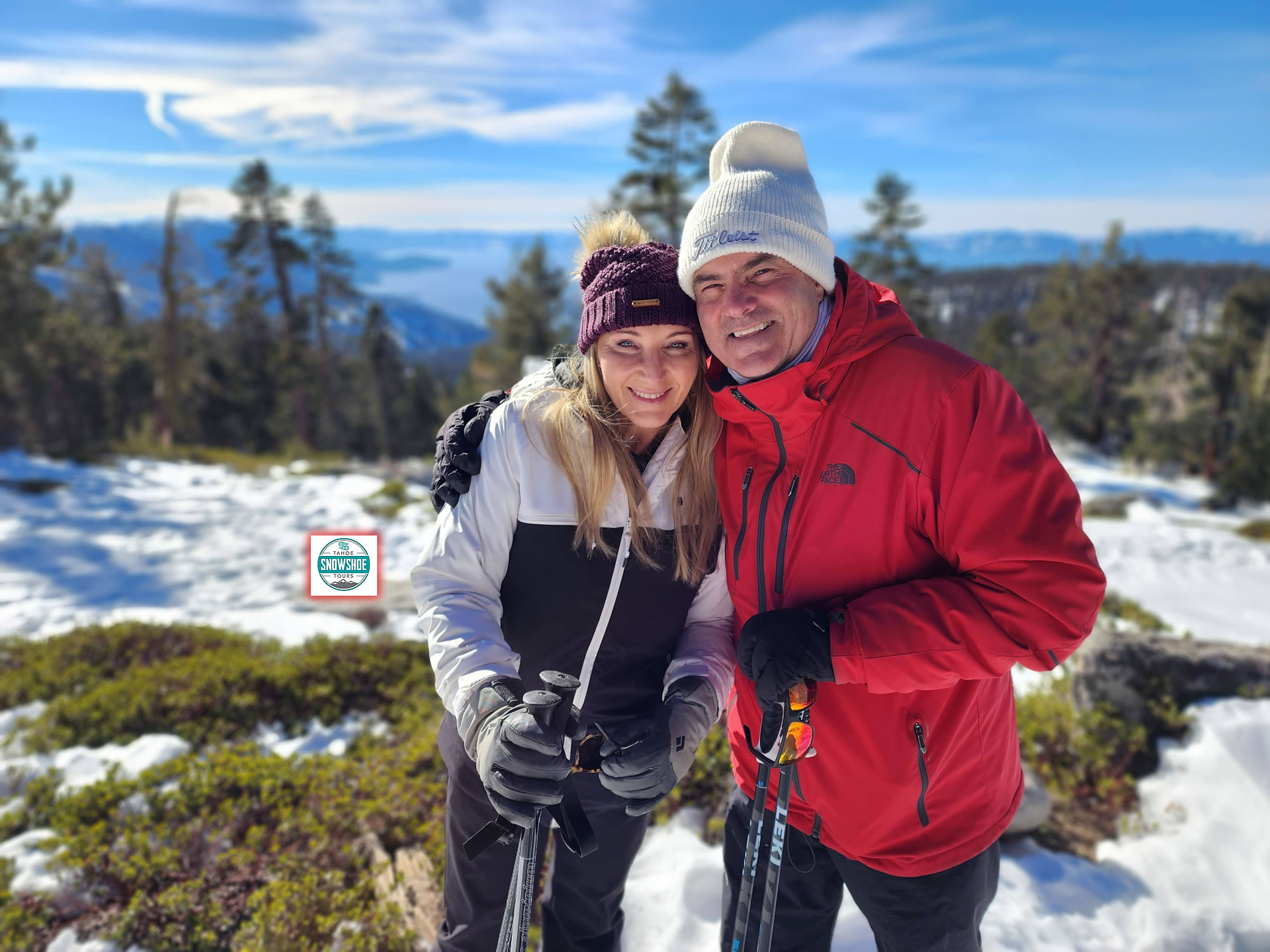
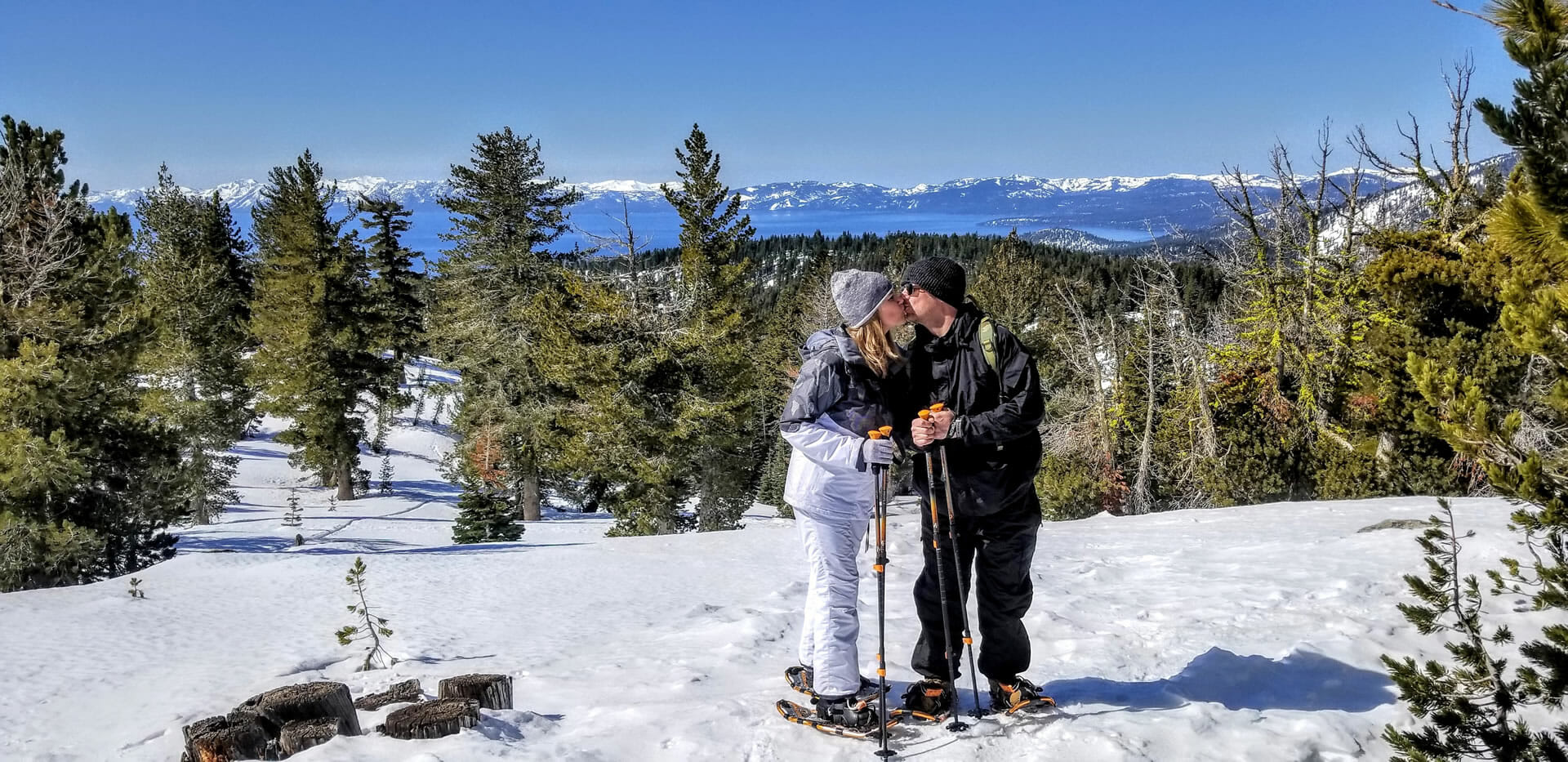
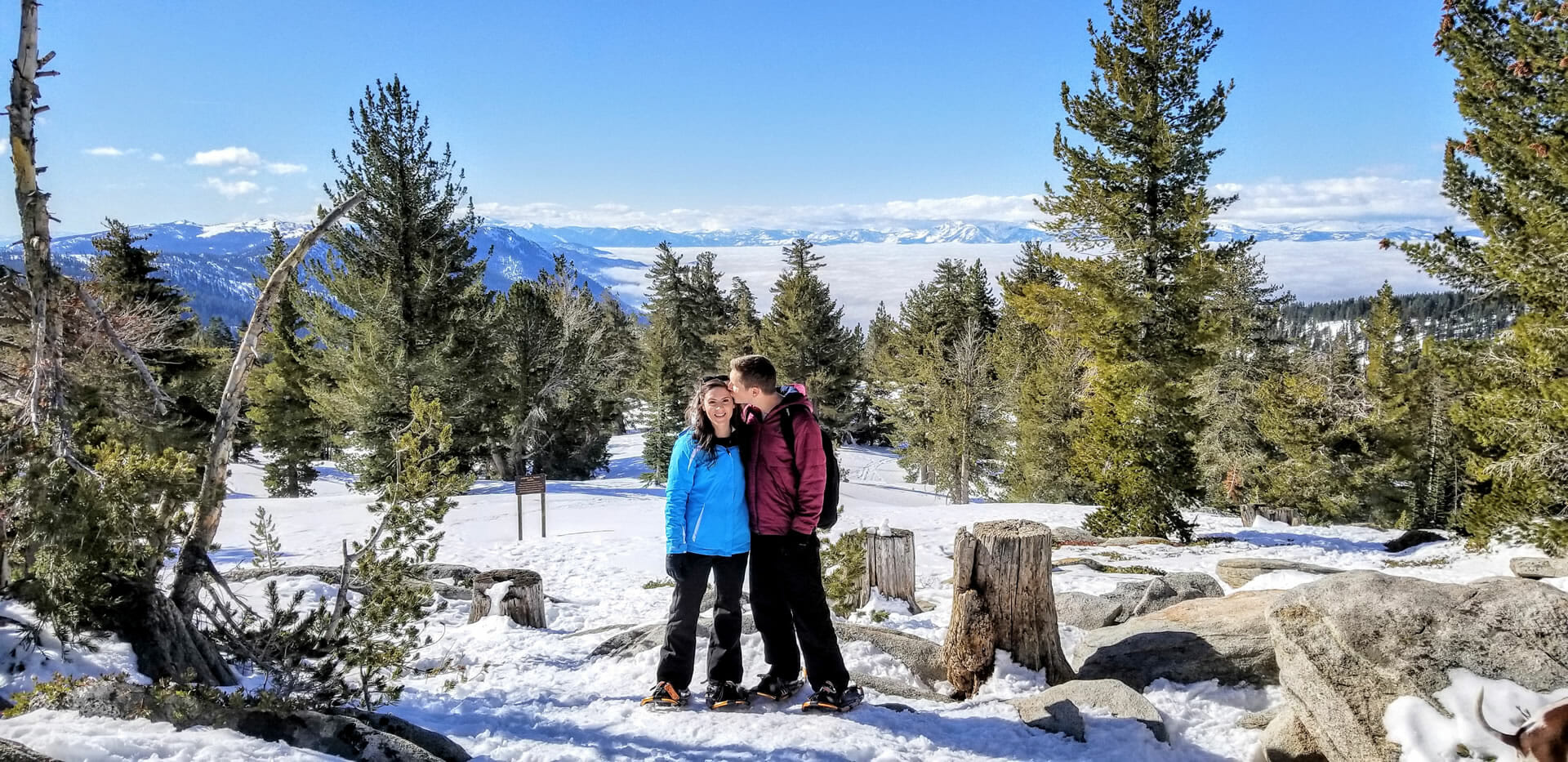
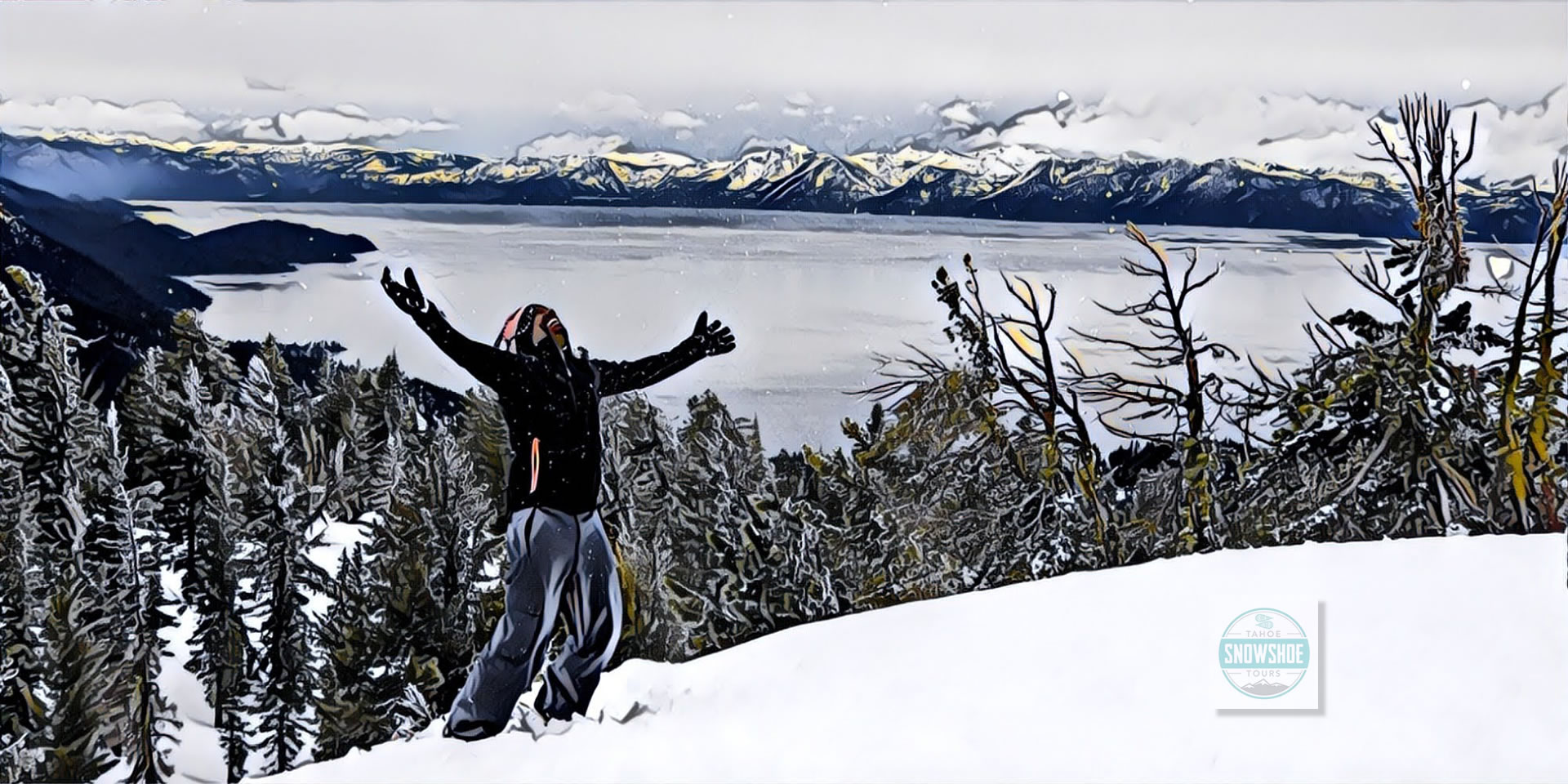
Taken in the vast expanse of Tahoe’s blue bowl
-
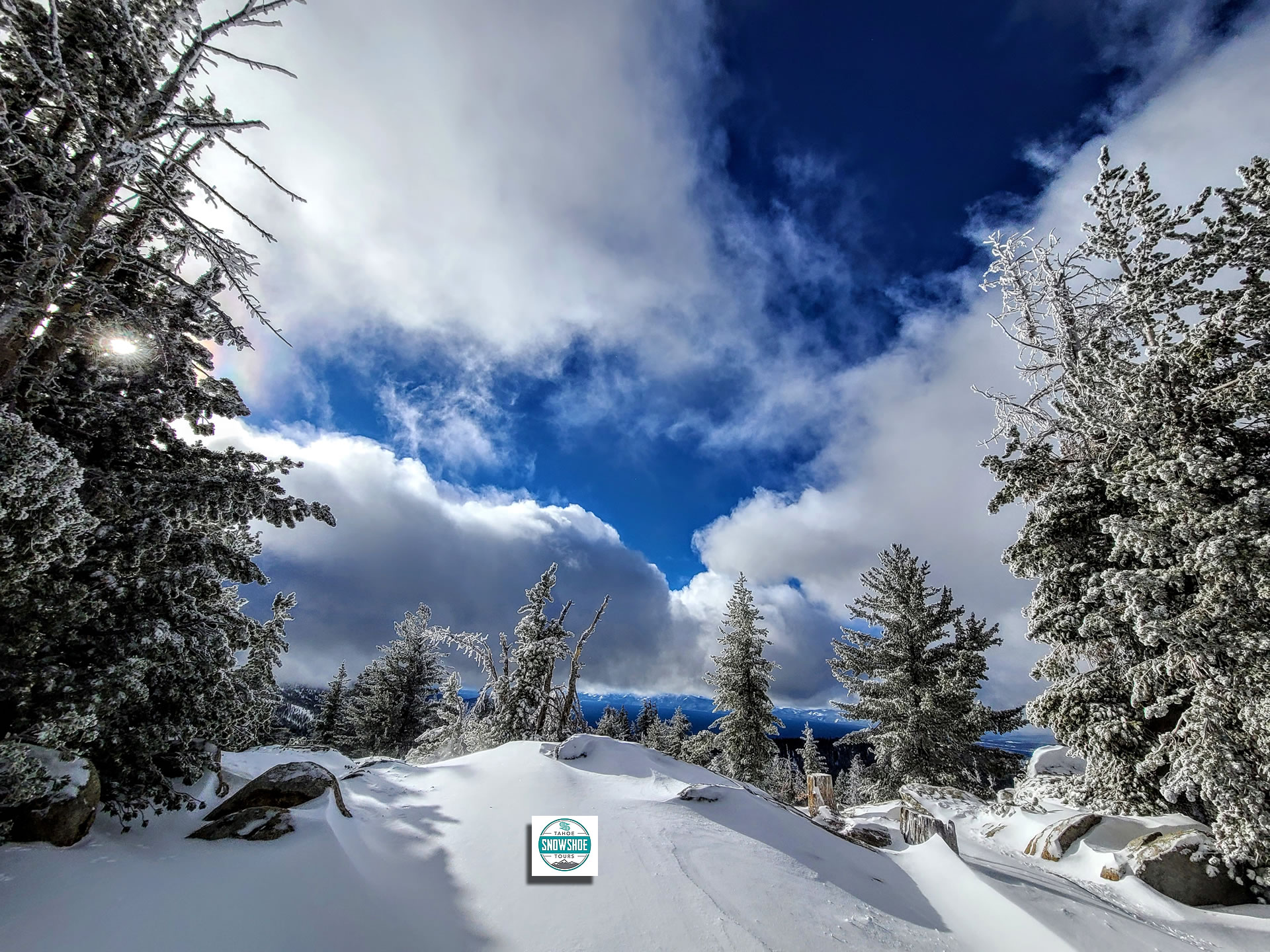
Felt the quiet of true backcountry wilderness
Going farther does not improve the scenery. It only increases the chance someone on the tour starts suffering quietly.
⚠️ Don’t Be Fooled — Longer Tours Are Fool’s Gold
Competitors want you to believe:
-
More miles = better
-
More time = better
-
A 3–5 mile tour = “value”
But the truth is simpler:
Longer high-altitude tours are not better — they’re just harder. And harder does not equal more enjoyable.
Think of it like skiing:
A beginner might believe a longer, steeper run is “more value,” until they actually ski it. A well-designed, skill-appropriate run delivers joy. A too-long run delivers lactic acid and regret.
Snowshoeing at 9,000 feet is exactly the same.
⭐ What Our Guests Consistently Say
Here’s what thousands of guests have told us over 15+ years:
-
“That was the perfect amount of time.”
-
“I’m glad we didn’t go farther.”
-
“We were able to enjoy every minute.”
-
“The pacing was exactly right.”
-
“We never felt rushed or maxed out.”
-
“I was winded, but never overwhelmed.”
-
“I can’t imagine doing 3–5 miles up here!”
-
“It was immersive without becoming exhausting.”
This is not coincidence — it’s design.
🏔️ Post-Covid: A New Era of Outdoor Expectations
Since 2020, travelers have evolved:
-
Less overall conditioning
-
More interest in nature and serenity
-
Less tolerance for exhaustion
-
Higher expectations for curated experiences
-
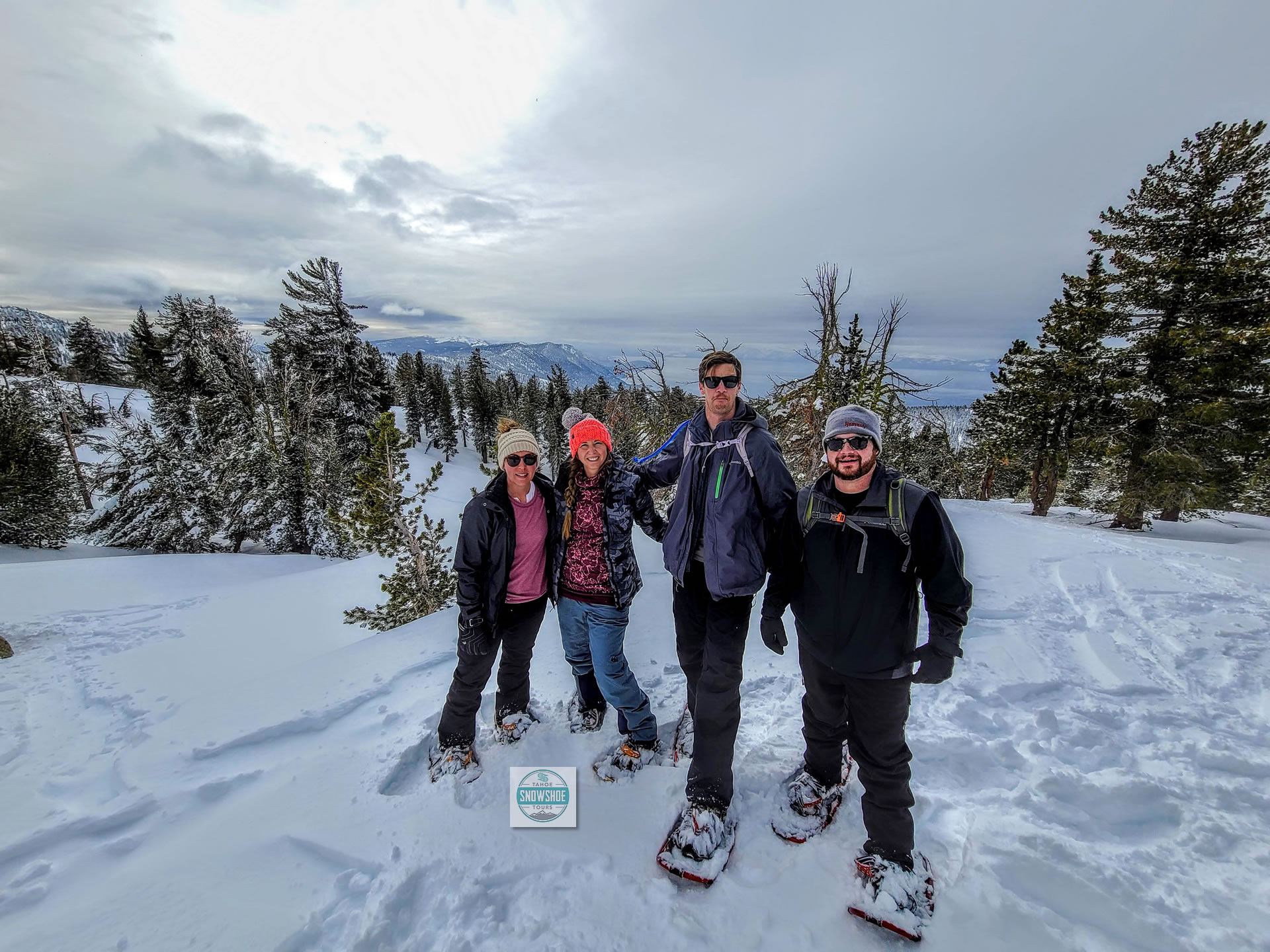
A preference for small-group or semi-private settings
Those longer 3–5 mile tours? They actually saw the most complaints in the post-Covid era.
Meanwhile, our two-mile, high-altitude experience consistently earns:
-
5-star reviews
-
Concierge recommendations
-
“Highlight of our Tahoe trip” awards
-
Repeat bookings
Why? Because the focus is on quality, not mileage.
🧠 High-End Travelers Want the Best — Not the Most
Our clients — the ones who read reviews, trust concierges, invest in premium experiences, and value luxury-concierge-level communication — want:
-
Expertise
-
Safety
-
Beautiful settings
-
Thoughtful pacing
-
Elevated storytelling
-
A balanced physical challenge
-
A memorable experience
-
A sense of discovery
-
Delight, not depletion
This is exactly what two miles at 9,000 feet delivers.
Anything more begins to feel like work.
🏁 Final Word: Choose Experience Over Mileage
At Tahoe Snowshoe Tours, we’ve dedicated more than 15 years to crafting the ideal high-altitude winter adventure. And based on every data point — physiological, psychological, geographical, environmental, and experiential — the conclusion is absolute:
Two miles at 8,600–9,100 feet is the perfect high-altitude snowshoe experience in Lake Tahoe.
Not shorter. Not longer. Perfect.
And if someone tries selling you a 3–5 mile slog at this altitude?
It’s fool’s gold — a marketing mirage that disappears the moment the real climb begins.
Choose joy.
Choose high-altitude serenity.
Choose the experience built from thousands of real guests, not brochure promises.
Choose the tour designed for the way real people breathe, move, and thrive in the alpine wilderness.
Why GPS-Guided Snowshoe Tours in Lake Tahoe Are a Terrible Idea (And the Safe Alternative)